The key to Chinese cooking ‘lies in understanding the basic techniques’, writes Irene Kuo
- In her cookbook, Irene Kuo – a China-born, US-raised influential restaurateur – delves deep into a vast cuisine
- ‘The Chinese have had the dire need to experiment on all things edible for survival and the leisure of prosperity to perfect their cooking,’ she writes

Chinese cuisine is famous for using every part of an animal and for turning humble ingredients – including some considered inedible by other cultures – into something luxurious. Dishes containing white truffles, saffron and beluga caviar are expensive because the supplies are limited or difficult to harvest, but it is less obvious why swiftlet spit (bird’s nests), dried scallops and dried abalone are so expensive (hint: it is for similar reasons).
In Chinese cuisine, a dish containing less expensive ingredients can be costly if the cooking process involves a lot of work: the snake soup at an exclusive private kitchen in Hong Kong is complex because it contains five species of snake and all the ingredients – including fish maw and aged tangerine peel – are finely sliced by hand. At the same restaurant, even pork stomach (tripe) is elevated to another level (and also expensive) because the ingredients are so precisely prepared.
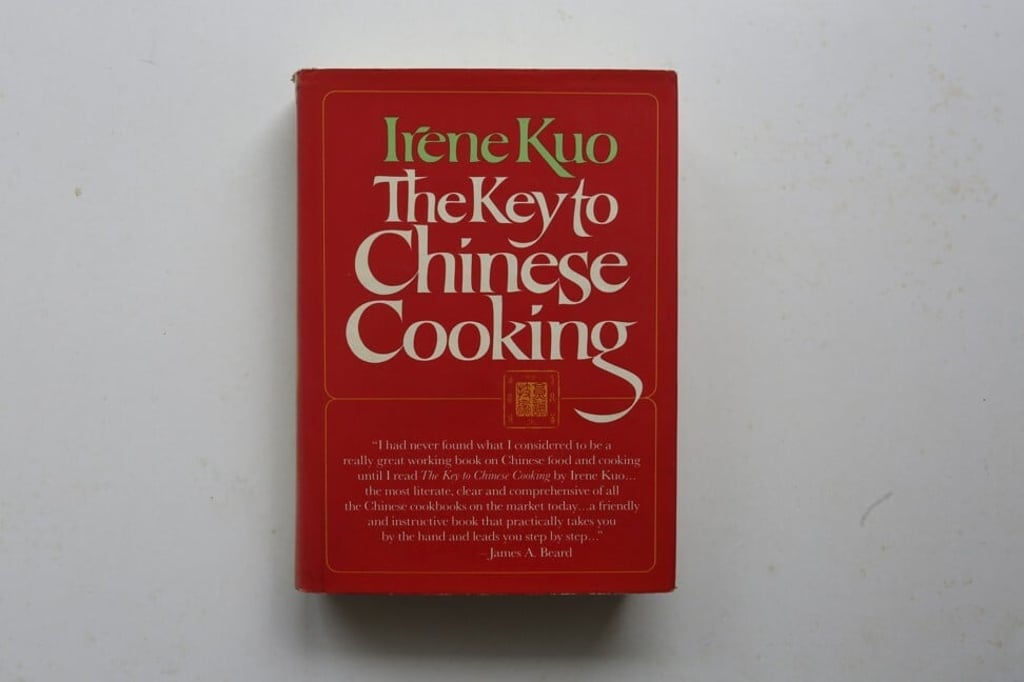
In the introduction to her book, The Key to Chinese Cooking (1977), Irene Kuo – who was born into a wealthy family in China, went to university in the United States, opened restaurants in New York and died in California in 1993 – explains how this came about.
“Over the centuries, having been alternately buffeted by famine or warfare and blessed with the splendours of great civilisation at peace, the Chinese have had both the dire need to experiment on all things edible for sheer survival and the leisure of prosperity to perfect their cooking techniques for sensual enjoyment. They eat boiled bark, weeds and roots when there is nothing else; they eat shallow-fried transparent prawns from preference, jasmine blossoms out of poetic sentiment, and wine-braised camel’s hump from blatant extravagance.
“Out of this realistic earthiness, the Chinese developed a healthy respect for food and concluded a long time ago that good eating is always a matter of good cooking, which means knowing the inherent qualities of the food itself and how different techniques can subtly alter flavour and texture […]