The Way of Kueh: Christopher Tan hopes to preserve Singapore’s culinary heritage
- Communities have long come together to make and eat kueh, but the art is being lost as society changes
- In his book, Christopher Tan includes recipes for sweet and savoury kueh

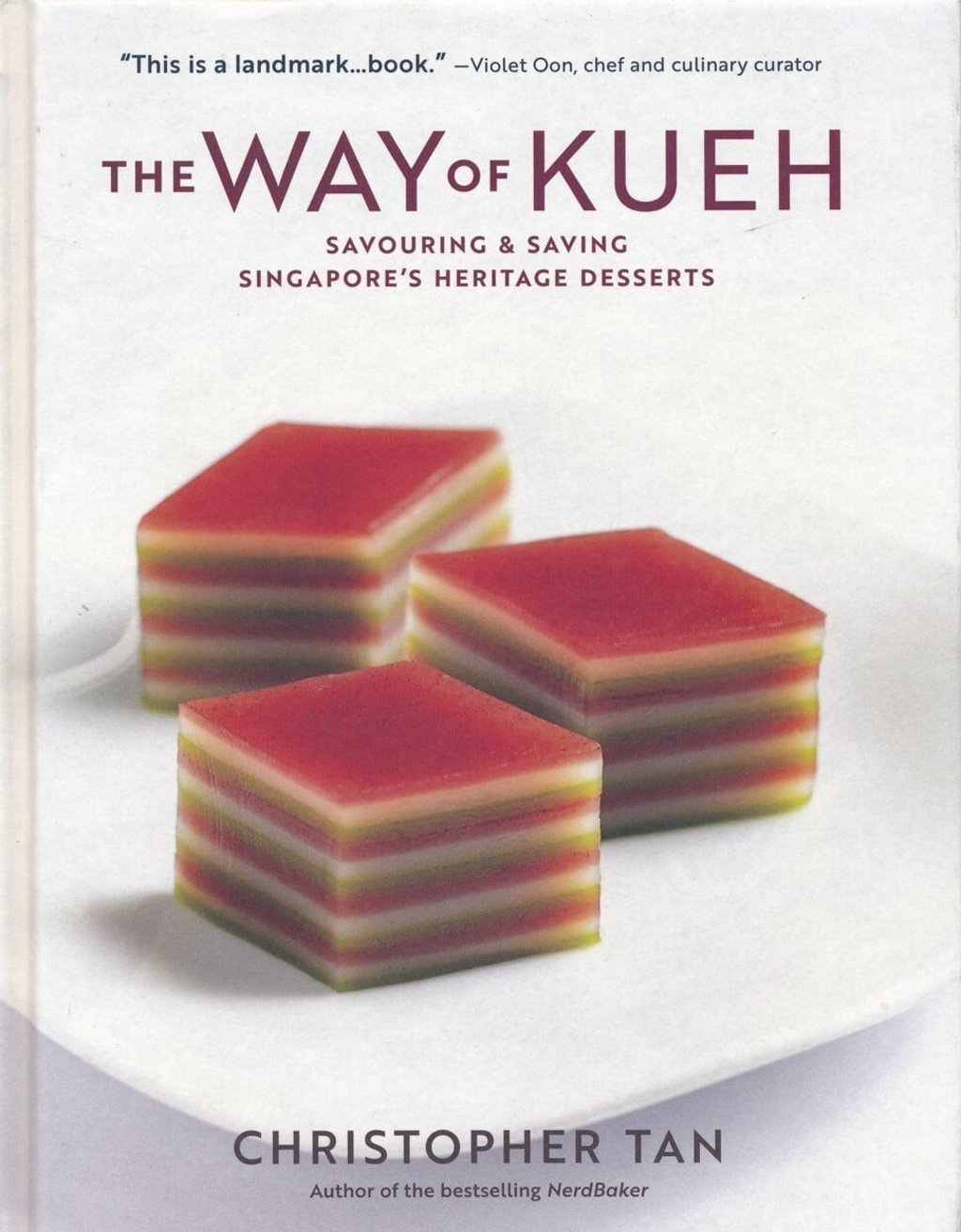
Anyone who has spent time in Singapore (or Malaysia) and eaten the array of enticing sweets known collectively as kueh will be excited about The Way of Kueh – Savouring & Saving Singapore’s Heritage Desserts (2019). Singaporean food writer and cooking instructor Christopher Tan explains that “kueh” means “cake”, but not as it is known in the West, where it is usually made from wheat flour, butter and eggs and baked.
In Southeast Asia, kueh can be sweet or savoury (sometimes both), and made from a huge variety of ingredients; they can be steamed, baked, fried or cooked over a stove or grill (preferably charcoal), and eaten hot, warm, at room temperature or chilled.
In the introduction, Tan says he wrote the book to preserve culinary traditions that are in danger of being lost. “In decades past, Singaporean families came together to make kueh on a regular basis. More than just cooking, those times were chances for relatives to catch up, affirm bonds and enjoy the delicious results of their co-labouring: no seasoning is sweeter (or healthier for you) than community.
“However, as nuclear and extended families shrink, or disperse between far-flung households, communal kueh-making is becoming even rarer. People are choosing to buy kueh instead, delighting more in purchased variety than home-made quality […]
“Can businesses with bottom lines and sales targets truly replicate the personality and soul of kuehs made with grandma magic and auntie power? I have my doubts […] Ready-made kuehs, even decent ones, were once understood by all as necessarily simplified versions of home-made kuehs, a trade-off of convenience for fidelity.