All it took was a bowl of pho in Vietnam for chef Mai Pham to begin feeling at home in the country of her birth
- When chef and food writer Mai Pham returned to Vietnam after 25 years, she set out to eat the food she had enjoyed before she left
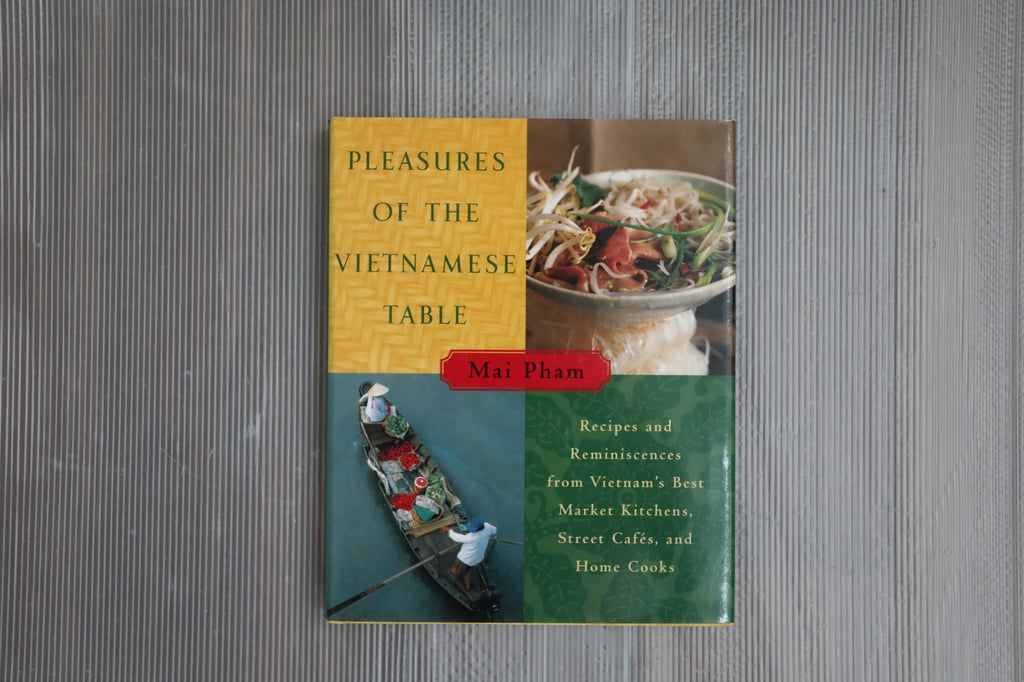
- In Pleasures of the Vietnamese Table, she reminisces over dishes and restaurants and provides recipes for home cooks

It took a steaming bowl of pho for food writer and cookbook author Mai Pham to come to terms with being back in Vietnam, the country of her birth, which she had left more than 25 years earlier, days before it fell to communist rule, in 1975.
“I was so excited as I walked down the narrow alley near our home to find the little soup shop that my sister Denise and I once frequented,” she writes in the introduction to Pleasures of the Vietnamese Table (2001). “It was still there, still packed with hungry diners. For a moment I was taken aback by the noise, the slurping, the yelling of orders, the banging of dishes. The noodle man was there, bare chested, working in front of the steaming soup pot, swinging his copper wire basket of noodles, dipping them in and out of the hot water.
“When my bowl arrived, I felt ecstatic. The noodles were so soft they practically melted. The broth had the buttery beefy flavour I remembered so fondly. Even the chilli sauce tasted like real chilli sauce. I looked up, hoping to see if anyone else around felt the same way, but all I heard was slurping.
“In the weeks following, after many bowls of pho, I felt very much at home. I could see that the sins of war had been forgiven, that the animosity had dissipated, and that in peacetime, the Vietnamese – both southerners like myself and northerners – were actually friends, not foes.
“I spent endless hours at places where I used to eat as a youngster – not at fancy restaurants, but at market stalls, street cafes and wherever I could catch up with home cooks. No matter where I travelled, I found myself lingering in front of stoves, watching the cooks chop and stir. I scrutinised their movements and facial expressions and chronicled as much as I could both on paper and on film.
“I ate and chatted with these cooks, sometimes at the very same market stall day after day. Sometimes I even followed them home for more secrets on how to prepare all the dishes that I love, from the best steamed rice rolls to the most fragrant warm soy milk with pandanus leaves.”
Pham’s first chapter is devoted to sauces and condiments, and the first recipe is for nuoc cham – probably the cuisine’s most essential and distinctive sauce, and recognisable even to a Vietnamese food novice. As with any cuisine, there are regional differences in recipes, even with something as basic as nuoc cham. If it is clear and dotted with chillies, Pham points out, “the cook is probably from the central or northern regions, where a simple and straightforward version is preferred. But if it’s diluted with water and lime juice and sweetened with sugar, one can surmise that the cook is from the verdant south.”
Pham’s recipes include pho bo (beef soup with rice noodles), rice soup with chicken and ginger, pomelo and grilled shrimp salad, lotus stem salad, steamed rice rolls, sizzling Saigon crepes, bean thread noodles with crab, broken rice with shredded garlic pork, salt-and-pepper crab with ginger, grilled lemongrass shrimp, spicy lemongrass tofu, beef wrapped in pepper leaves, and iced red bean pudding with coconut milk.