How Vietnamese cuisine borrowed from Chinese and French culture but retains its unique character
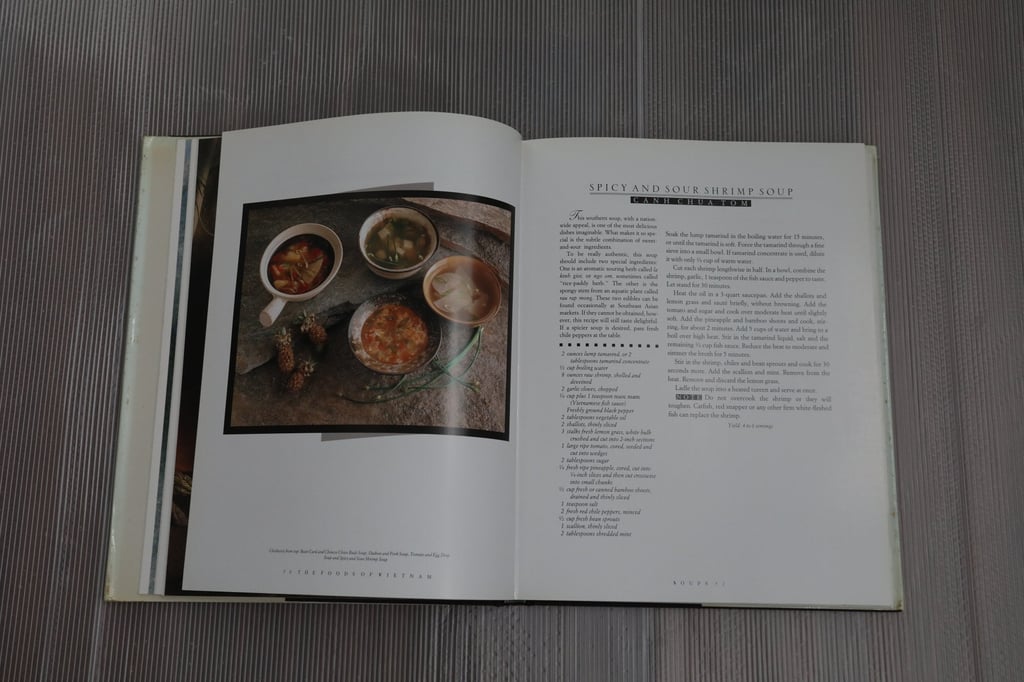
- In her cookbook The Foods of Vietnam, Nicole Routhier explains how Chinese and French rule influenced Vietnamese food customs and tastes
- Chopsticks and food staples such as soy sauce and bean curd were contributed by the Chinese, she writes, while a taste for ice cream came from the French

It is impossible to appreciate the deliciousness and abundance of Vietnamese food today without contrasting it with the privations the people have endured throughout the country’s long history. For Nicole Routhier, born in Saigon (now Ho Chi Minh City) to a Vietnamese mother and French father, it sounds like at times her childhood was quite comfortable – while at other times, it was not.
In the introduction to her book The Foods of Vietnam (1989), Routhier, who now has a restaurant in Houston, Texas, in the United States, writes, “As I grew up in Vietnam and Laos, my mother insisted upon her children learning about their Vietnamese culture. Although my sister and I had a formal French education, we spoke only Vietnamese to our mother and nanny at home.
“I learned about cooking from my nanny, a native of Hue, and my mother, from Haiphong; both were home cooks of the first order. Later, my mother owned a small French-Vietnamese restaurant in Laos. When the chef let me help in the kitchen and showed me a few tricks, I knew what my true calling would be.
“Although I wasn’t fully aware of it, my obsession with food started when I was much younger. There were many times of hardship while I was growing up in Asia, especially after my father left home. During the war, food was scarce and we ate what we could. Sometimes we had to hide in the village bomb shelter for days if not weeks on end, and rice was often the only food available.
“Our nanny fed us a sort of pressed mashed rice. Each of us was allotted a few sticks of that rice at a time. Unlike my sister, I would never eat my entire ration, but instead I hid it in a very safe place where nobody could find it. Every now and then I would sneak away from my nanny and take a small bite from my treasured food. Although my young, innocent eyes viewed the episode as a game, there was also fear; I was hungry and terrified at the idea of lacking food. That childhood fear never abandoned me.”