ProfileNordic cuisine chef on pickling, fermentation, and swapping 17-hour restaurant shifts for private catering in Hong Kong
- Gabriel Chung Chi-sang was nearly 30 when he decided to become a chef. After Le Cordon Bleu in Paris and 17-hour work days, curiosity took him to Copenhagen
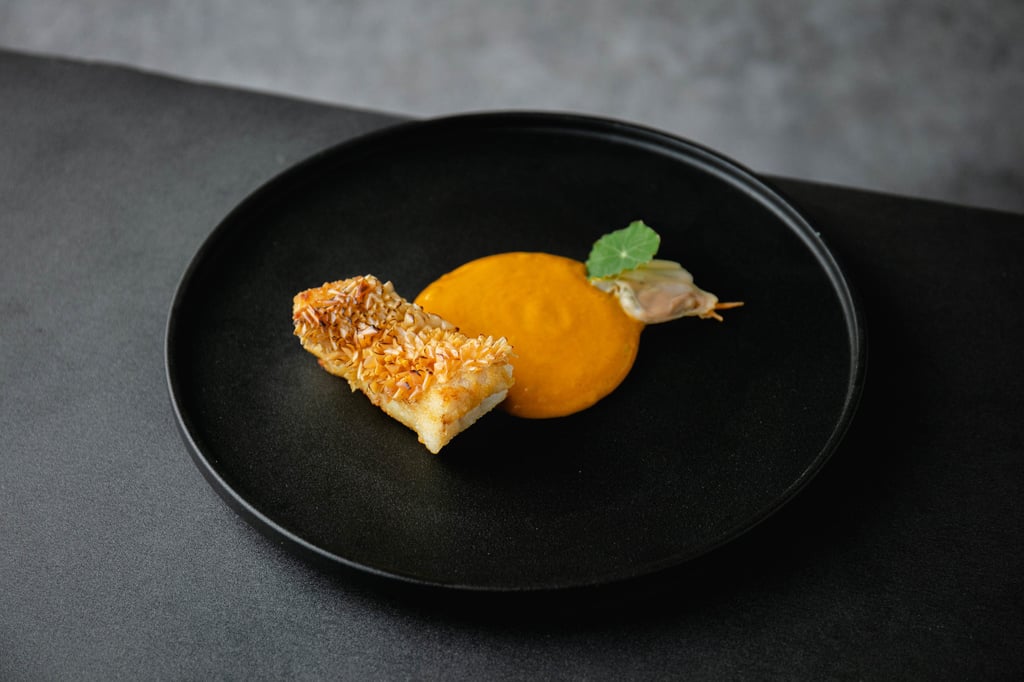
- There he learned about pickling and fermenting vegetables and flowers – key to Nordic cuisine – and now caters to private diners in their Hong Kong homes
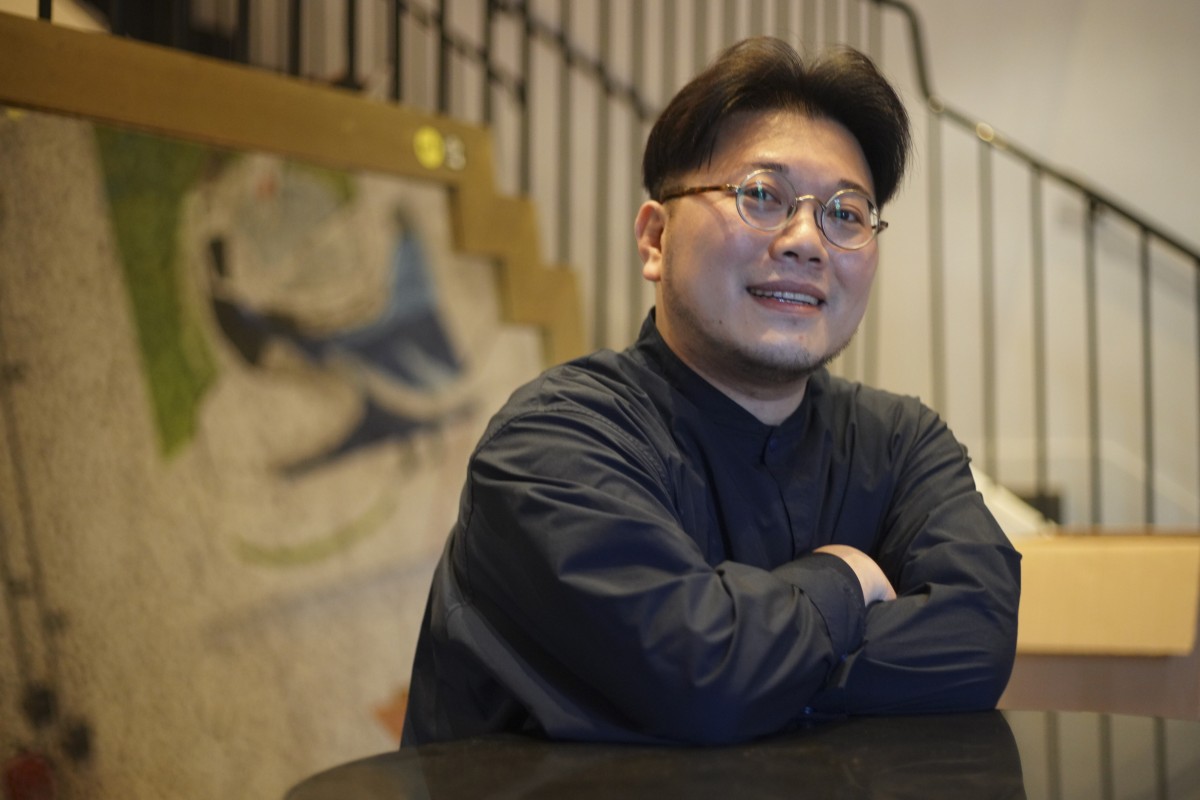
“My mum cooks family-style dishes like steamed fish and chicken. Her seasoning is complicated, very flavourful, not straight from a bottle. She mixes several ingredients together and I always ask her how to make her sauces. I like to eat and we always eat well, mostly at Chinese restaurants.
“In 2003, I went to Dallas Baptist University [in the US] to study broadcasting communications and music business as a minor degree. I like listening to music on the radio, and I wanted to study broadcasting to become a radio host because I like to chat with people. When I was studying, I cooked for my roommates, many of them international students, and I invited them over to eat. This motivated me to become a chef.”
What did you do after coming back to Hong Kong in 2009?
“The economy wasn’t good; my salary was low working late nights in a restaurant, so I went into our family business. We manufacture corporate uniforms for export to Europe and Africa, and make clothes for some fashion brands. But it wasn’t for me.
“I thought of going into photography or cooking, and decided to study at Le Cordon Bleu in Paris in 2013, just before I turned 30. My parents didn’t want me to go into this field, but I used my own money to pay for tuition. I like to eat Chinese cuisine, but it’s a tougher environment, and the salary would be lower than in Western fine dining.”
How do they teach you at Le Cordon Bleu?
“They demonstrate a dish and then you take notes. There is an ingredient list in English and French but they don’t give you the recipe. You have to listen to the chefs describe the steps or watch how they make the dish and take notes. Ten people could take notes, and their dishes could all come out differently.