‘Heirloom rice has huge potential’: Korean chef and farmers on a chewy, nutrient-packed alternative, and the brewery using it to make beer
- A century ago Korea logged 1,451 native rice varieties. Today a farmer grows a third of them, but admits heritage rice will remain a niche product
- Koreans’ interest in health foods doesn’t extend to rice, one observer says. Yet a brewery uses heirloom rice to make beer and a top chef is trying it out

This past May, representatives of Slow Food International paid a visit to an unassuming rice farm in the rugged hinterland east of Seoul, drawn by the prospect of ancient Korean rice rising from the mud and rustling in the breeze again.
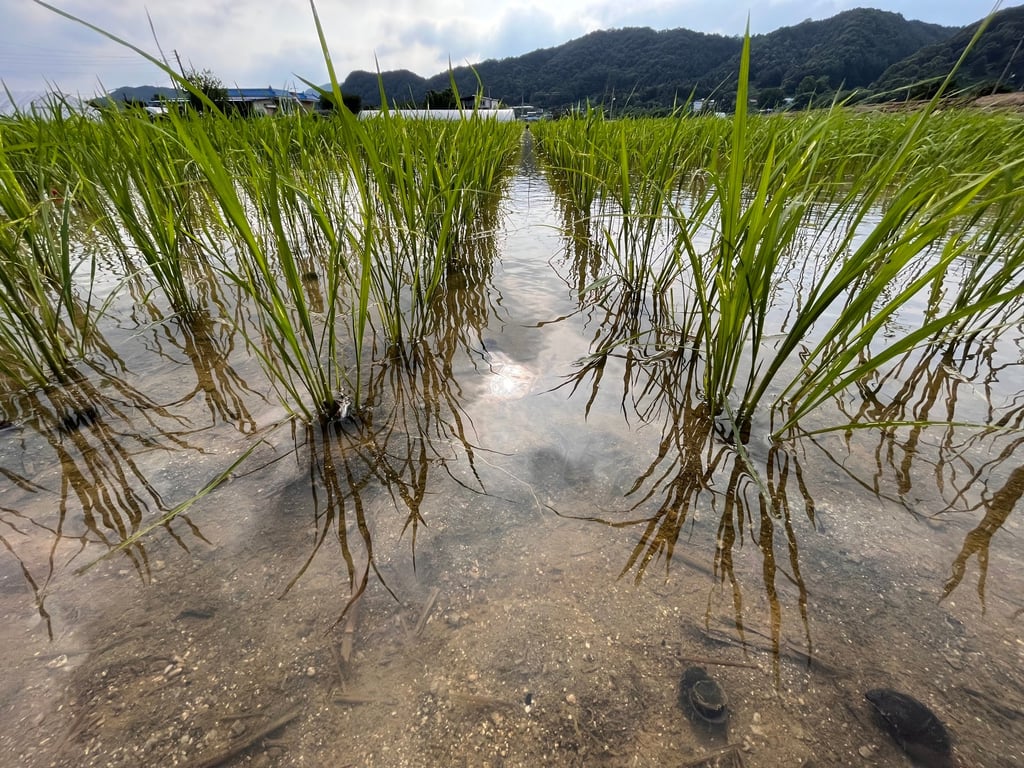
The operation, Woobo Farm, reached the milestone this year of growing about 450 Korean heirloom varieties, virtually all that have survived into the 21st century. Better yet, the farm’s harvest is all organic: pesticides and fertilisers are traded in for ureong (freshwater snails), which patrol the paddies, eating weeds.
Here, rice farming involves working with, rather than strong-arming, nature.
I’m enthusiastically met by founder Lee Geun-yi and his team members Park I-deun and O Jeong-hun, who invite me into an open, barn-like structure. Wreathed around the walls are bundles of dried rice on the stalk, with white identifying tags dangling down. The clean, dry smell of grain permeates the air.
While Lee’s swarthy complexion, callused palms and bulging forearms mark him out as a labourer, his thin-framed glasses and sweep of grey-streaked hair are carry-overs from his former career as a cultural critic for a magazine.