‘Listening to Blackpink and BTS, drinking makgeolli, and eating kimchi pancakes’: artisan revival of Korean rice beer makes it hip with the young
- Makgeolli is a Korean staple that in recent decades has become known as a tipple for old men, but a new wave of artisans is changing this image
- From young brewers selling the drink in minimalist bottles, to bars from Seoul to Hong Kong paying homage to the beverage, makgeolli is becoming cool to drink
In a nondescript building near the banks of Seoul’s Han River, friends Koh Sung-yong and Lee Sang-woo tend to stainless-steel vats topped by cloth covers.
Inside, steamed rice is bubbling, scenting the air with a sweet and funky bread dough aroma. The fermenting rice will become makgeolli – one of Korea’s oldest alcoholic drinks, often referred to in English as rice wine, but more accurately a rice beer.
Traditionally home-brewed for centuries, makgeolli has been mass-produced in factories since the 20th century and has over the decades earned the reputation of being a cheap, old-fashioned beverage enjoyed by old men despite the almost-guaranteed blazing hangover.
At Koh and Lee’s Hangang Brewery they are trying to change all that. They are taking makgeolli back to its traditional roots while giving it a contemporary relevance. They source what are essentially simple ingredients – rice, water and nuruk (a traditional fermentation starter that includes lactic acid bacteria and yeast) – with care to ensure a quality product.
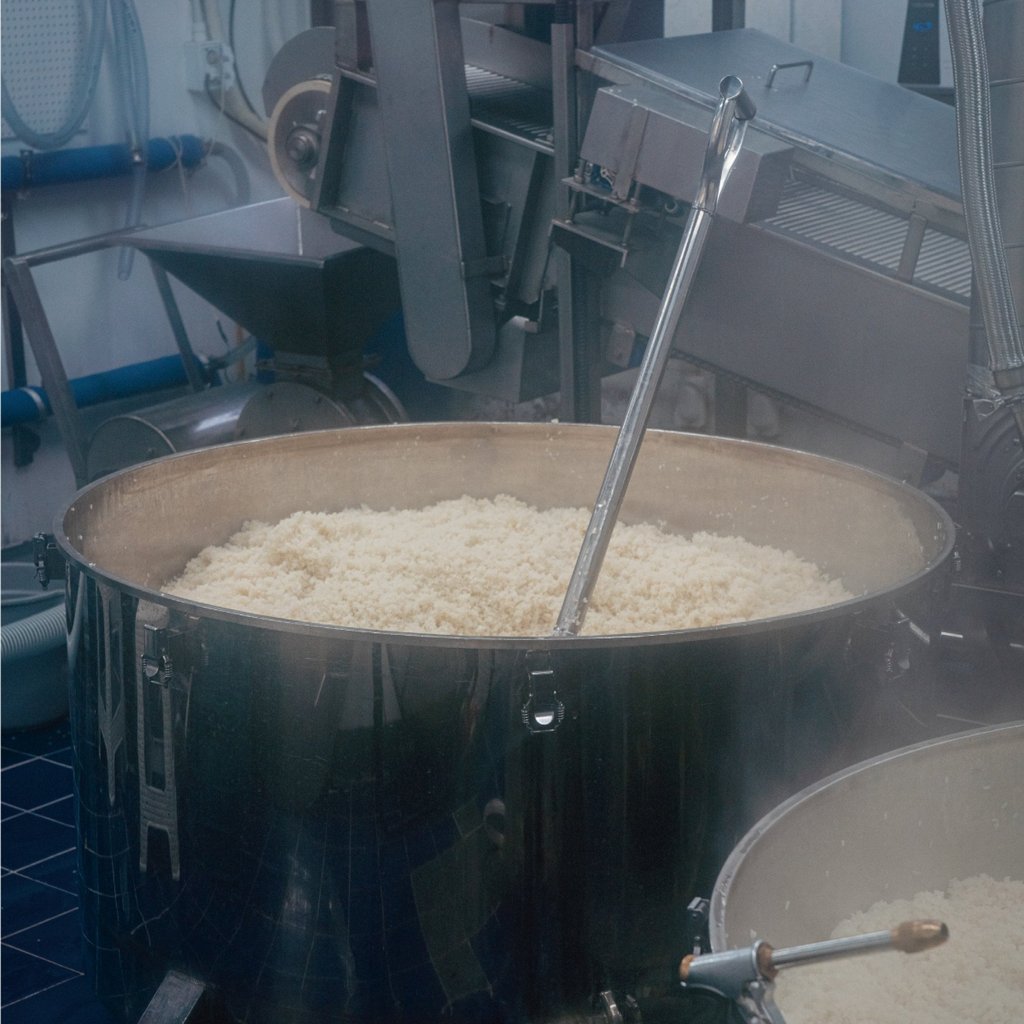
The resulting liquid, milky white and smooth, will rest for a week, before being bottled in their coolly utilitarian and minimalist bottles. The labels have been deliberately designed without imagery such as “old-school flower pictures and calligraphy”, according to Koh.