What Trump could learn from the Great Wall of China’s troubled history
The mainland’s most celebrated landmark was built on xenophobic principles and, under the rule of an inflexible emperor with little grasp of border matters, it ultimately doomed an entire dynasty

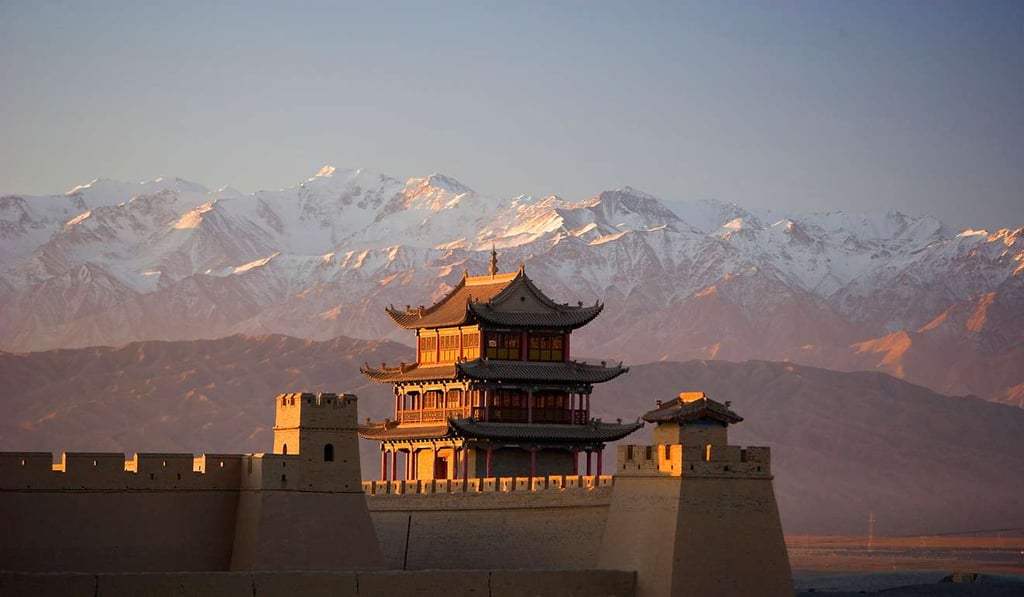
There is much Donald Trump might learn from a visit to the westernmost tip of the Great Wall of China – not least that if you are really determined to keep outsiders from entering your country, cow and horse excrement can be useful allies.
That, local historians claim, was one of the secret weapons Ming dynasty soldiers used to repel nomadic raiders, hurling bucketfuls of manure into the desert winds to blind the barbarians as they galloped towards this sand-swept Gobi outpost.
But Zhang Xiaodong, who runs a museum dedicated to the Chinese super-structure in the city of Jiayuguan, believes there is an even more valuable lesson the president of the United States must grasp before he begins work on what he has dubbed the Great Wall of Trump.
Would the Ming emperor’s foes have agreed to bankroll his Great Wall?
Zhang laughs. “[They] wouldn’t have done so.”
Across China, from the wall’s spectacular, cliff-hugging ruins near Beijing to its wind-battered remains here in the barren northwestern province of Gansu, scholars and enthusiasts have been pondering Trump’s pledge – repeated last month during the president’s address to congress – to build a “great, great wall” of his own.