How world’s farmland is shrinking, and why it could be a good thing
In China and across the globe, cropland and pasture is shrinking for the first time on record, thanks in part to consumer choices. What does this mean for the environment and the future of food?

It’s an odd juxtaposition that’s popping up in far-flung places around the world. Across the hilly regions of China, the scars of agriculture are being covered by a messy mix of trees and shrubs. In parts of Iran, Australia and Kazakhstan, wild animals are reclaiming swathes of abandoned pasture. And in Portugal, Chile and Argentina, abandoned farms serve as lifelines that connect fragments of intact wilderness.
The landscapes might be different but all are evidence of a startling new trend. For the first time in recorded history, the world’s farmland is shrinking. Every two years, an area roughly the size of Britain is abandoned. Has humanity’s insatiable land grab reached a turning point? And can we take this opportunity to build a world in which farming has a smaller footprint, and where nature can rebound from the toll we have inflicted upon it?
For most of the 20th century, agriculture spread out. By the 1990s, farming occupied 38 per cent of the world’s land surface. The impact on ecosystems is well documented: 27 per cent of tropical forests and 45 per cent of temperate forests were cleared in the process.
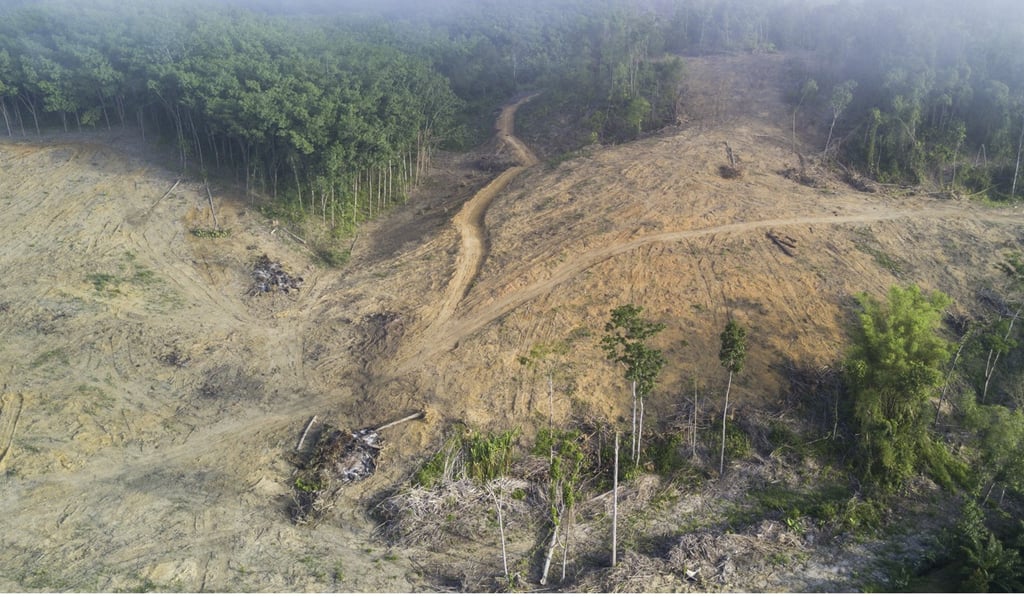
Deforestation is still occurring at a rapid rate in the tropics, making way for cattle, palm and soya, but drawing on recent data from the Food and Agriculture Organisation of the United Nations, research shows that a different trend is emerging elsewhere. The total area of cropland and pasture is now shrinking. This is particularly true in temperate areas and drylands, but also in some parts of the tropics. This century, more land has been left to return to nature worldwide than has been cleared.
Among the factors driving the trend are the choices we make as consumers. We rarely think about it while we are shopping, but choosing cotton or synthetics over wool, for instance, has far-reaching consequences.
Globally, demand for polyester rose fourfold during the 1990s, and wool demand fell by 40 per cent. Wool prices collapsed. Sheep farmers around the world, particularly those who were on degraded pasture or couldn’t diversify, abandoned their farms. In Australia and New Zealand, two major wool-producing countries, more than 60 million hectares of pasture have been abandoned since 1990. The trend continues today.