Tiger parents have the equation for their children’s success backwards; a Taiwan-born psychiatrist explains why
Brought up in Britain to excel academically by her Chinese parents but exposed to Western parenting too, Dr Holan Liang explores in a new book how to create the right environment for children’s self-esteem to bloom

It is a summer’s day in London, not that you would know it from the rain dribbling down the large windows of the cafe at Maudsley Hospital, Britain’s largest mental-health training institute. I am sitting with Dr Holan Liang, who sips a cappuccino while a baby at the next table cries intermittently, but loudly.
Liang seems unfazed by the piercing noise, which is perhaps not surprising given her day job. A child psychiatrist by training, her specialism at the South London and Maudsley NHS Trust is in paediatric neuropsychiatry: she is a consultant with its Community Neurodevelopment Mental Health team, and often involved in the treatment of autistic children.
In addition to this busy job, Liang works in private practice at the Effra Clinic, a boutique mental health facility in central London specialising in attention deficit hyperactive disorder and autism spectrum disorder, and has somehow found the time to write her first book, Inside Out Parenting, the bold subtitle of which reads: “How to build strong children from a core of self-esteem.”
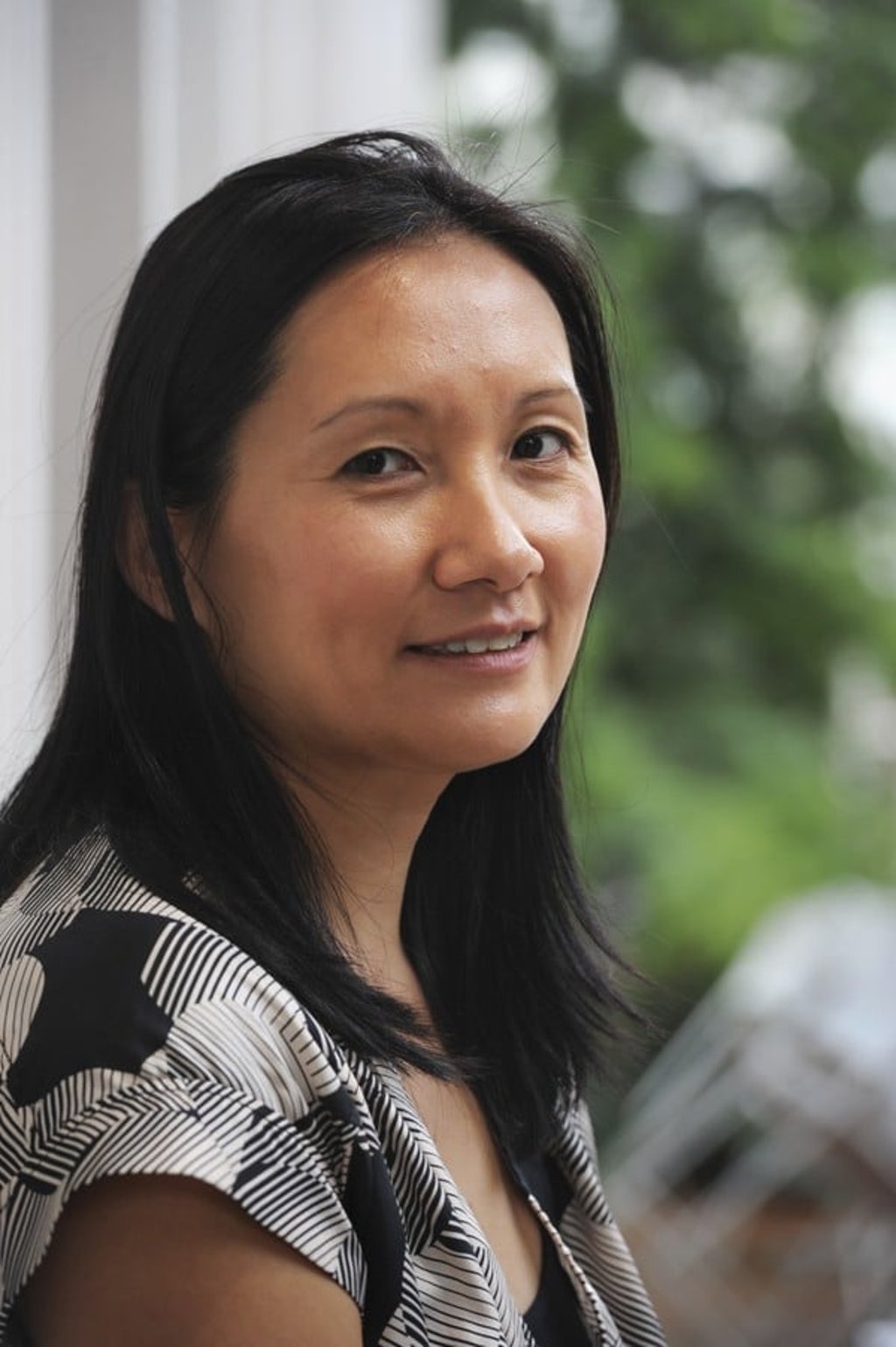
“It is not the ultimate parenting manual,” says Liang. “It is about issues that are out there, and how I have struggled to answer those questions for myself. I don’t think there is a right or wrong way. You have to find that path for yourself. What I think is important is for parents to be thinking about it constantly. But I do think I think about it more than the average parent.”
Some of the arguments in the book might raise eyebrows, not least for academically focused parents. Liang argues: “Social skills come above intelligence. Social skills are one of the fundamental layers for success. Intelligence is further back. I work with children with autism, which is why I am skewed to thinking about social skills.
“You see children with high functioning autism who have amazing ability but can’t get themselves dressed and to work on time. What is the point of doing PhD level maths if you can’t function in day-to-day life?”