Monk turned banker on Lee Kuan Yew, Patten, a Thai coup he eavesdropped on, and steak, women and wine in Hong Kong
Buddhist former Merrill Lynch Asia Pacific head Michael Dobbs-Higginson recalls a life of thrills and spills, Hong Kong as a base but hardly a home, and a time when ‘lying and stealing’ didn’t define investment banking

In 1963, Michael Dobbs-Higginson fulfilled a childhood ambition and landed in Japan. Just 22 years old, he was already an experienced traveller. Having been acutely aware of the limited horizons offered by his birthplace of Rhodesia (now Zimbabwe), Dobbs-Higginson had resolved as a teenager to see the world, and so, after a stint studying medicine in Dublin, Ireland, he worked as a logger in Canada, lived in Germany before the Berlin Wall properly divided East and West, spent a night in an American jail, and sailed across the Atlantic with only a terse Scotsman for company.
But wherever Dobbs-Higginson went, he knew Asia would be his final destination – or to be specific, a mountaintop monastery in Nara, Japan. “I wanted to be a Buddhist monk,” he tells me with what I quickly realise is a customary ability to surprise. He was driven, as so often in his life, by a desire to engage with the world. “That’s why I went to the monastery: to do it rather than read about it,” Dobbs-Higginson says. “You are going to the source. Most people read about things and then talk to their uneducated friends. They blather on and on and usually miss the point by a good mile. I have always tried to do things.”
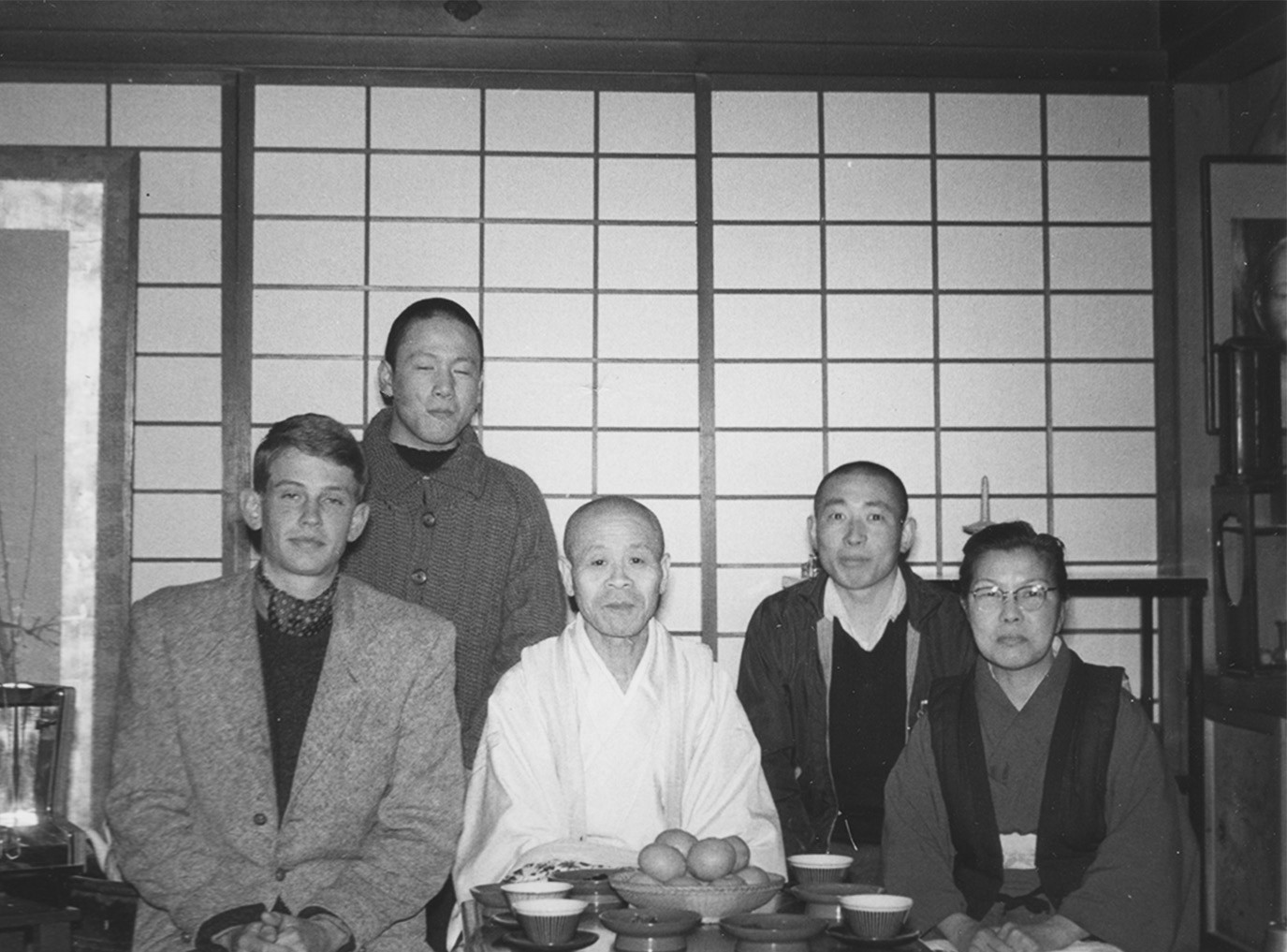
After two years of intensive, even punishing study in Kendo and later Zen Buddhism, Dobbs-Higginson emerged as a fundamentally different person from the one who arrived. “Before I went to the monastery, I tried to eat life before it ate me,” he says. “After the monastery, I tried – and still do – to be dispassionately passionate, to see oneself as just an element in the overall universe. To not be too fussed about what happens. The more you minimise the ego, the freer you are.”
Even this profound transformation had its limits. When I ask if he was ever tempted to stay in the monastery and devote himself to a spiritual life, Dobbs-Higginson quickly shakes his head. “I was too much of the adventurer,” he says. And baser instincts called. “I wanted a woman, a steak and a bottle of wine, so I went to Hong Kong.”
I didn’t really engage with Hong Kong. It was home in the sense that I lived there for a number of years, and knew aspects of it, but I never knew the Chinese world
There can’t be many 76-year-old former investment bankers, with cut-glass English accents and impeccable manners, who answer the doors to their elegant central London flats dressed in flowing white shirt and dark red sarong. But then, very little about Dobbs-Higginson is typical: from his upbringing in Africa and his restless globe-trotting to the fact that he is living calmly with a terminal illness. He writes (his recently published memoir is vastly entertaining), makes international business deals and chats with energy about his life. “This is my usual kit,” he points out as we sit down in his living room. “I have been wearing the sarong for 50 years now.”