Flaws threaten Hong Kong air safety, claim aviation experts
After a series of near misses, Hong Kong Civil Aviation Department is criticised for inadequate staffing and a failure to follow incident-reporting guidelines
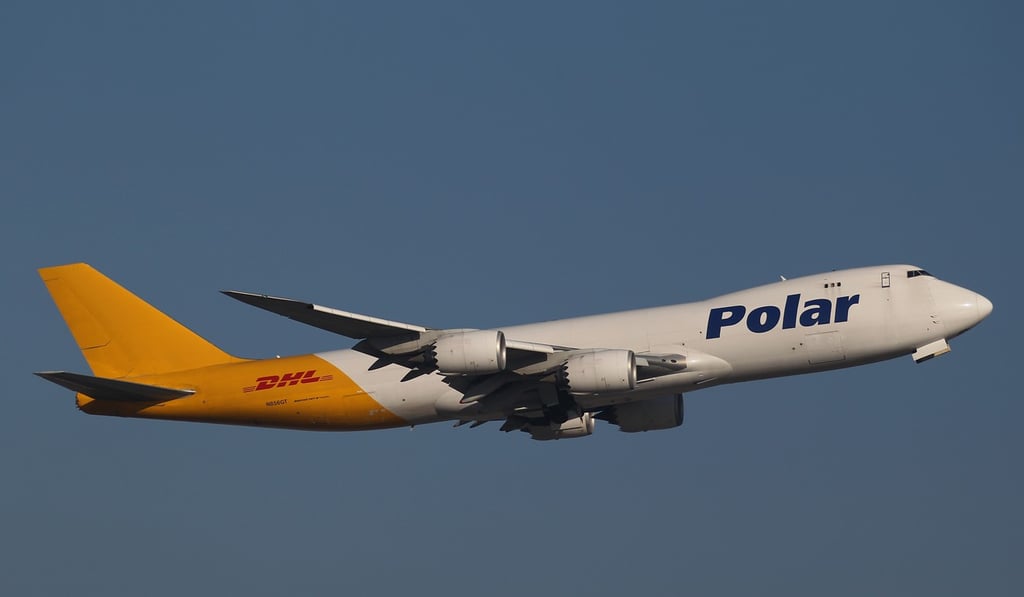
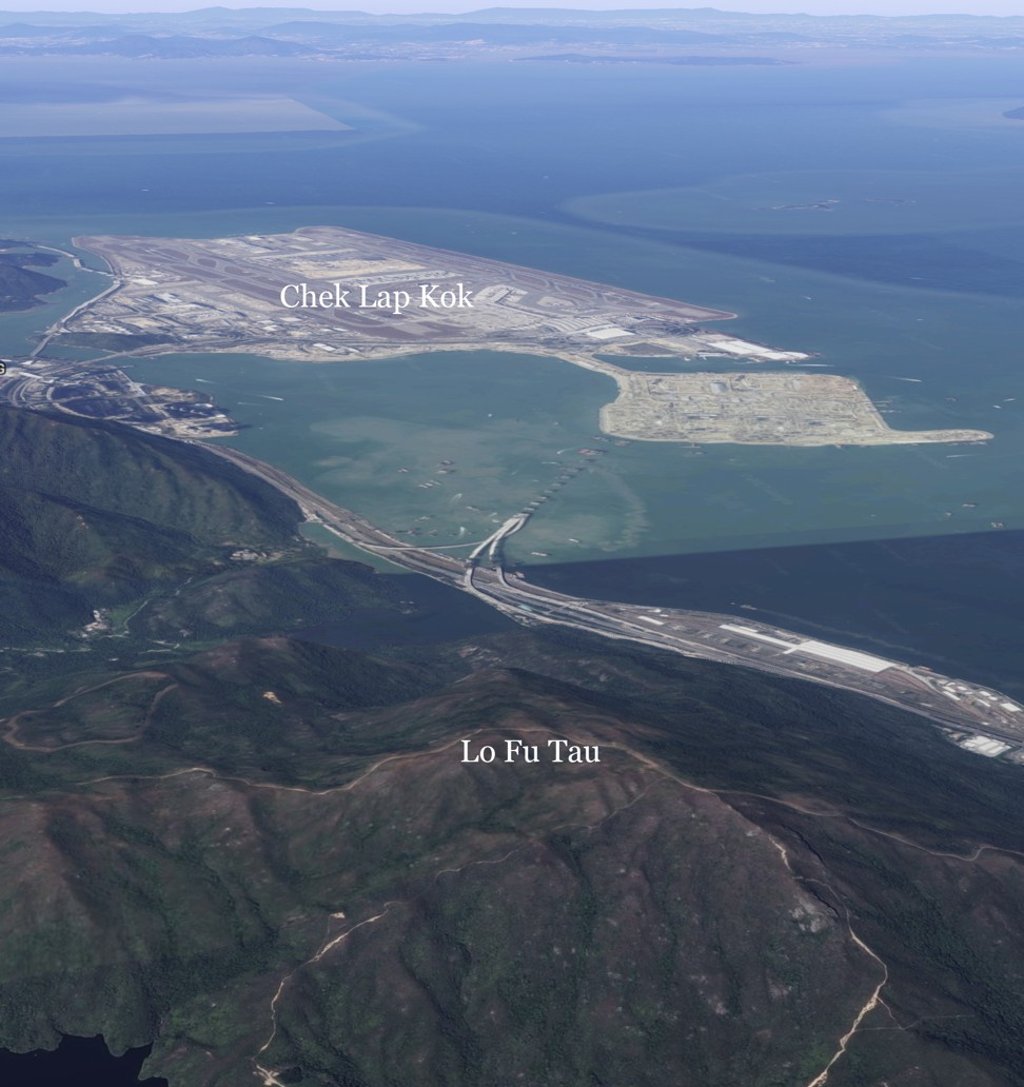
It was just before midnight on September 24 when residents of Discovery Bay were disturbed by the roar of a low-flying jet. They didn’t know it, but an Atlas Air Boeing 747-87UF freighterbound for Anchorage, Alaska, had come within about 200 metres of crashing into Lo Fu Tau, a rocky outcrop on Lantau also known as Tiger’s Head.
“They had ground proximity warnings activating in the aircraft. Apart from a crash, you cannot get much more serious an incident,” says experienced pilot and former Hong Kong Civil Aviation Department (CAD) flight operations inspector Damian Roberts.
The Atlas Air Boeing 747-87UF freighter, with Polar livery, that had a near miss with Tiger’s Head on Lantau Island, in Hong Kong, in September. Picture: Daryl Chapman
A jumbo jet loaded with aviation fuel crashing into a mountain would have been a major catastrophe, and as Roberts voices his concerns in the cramped coffee shop of a hotel in Central, his frustration is clear. “With regards to flight safety, it’s like talking to a brick wall, the Civil Aviation Department is not fit for purpose,” says the 52-year-old aviation veteran, who has filed official complaints to the government ombudsman and the International Civil Aviation Organisation (ICAO) that contain detailed evidence of shortcomings in local air safety.
Advertisement
Chek Lap Kok and Lo Fu Tau (Tiger's Head).
Nothing during Roberts’ 33-year career as a pilot had prepared him for what he calls the “toxic atmosphere” of the CAD. “I witnessed events on a daily basis which only add to the possibility of a hull loss [a ‘plane crash’, to the layman] rather than reduce it,” he says, showing me copies of emails, photos, letters and other documentation on his laptop that support his accusation.
Other pilots interviewed for this article support Roberts’ allegations, and suggest the CAD has too few inspectors and that those it does employ are not qualified to do the job adequately.
Advertisement
Damian Roberts in Central, Hong Kong. Picture: Stuart Heaver
Thirteen months after accepting a three-year contract as a helicopter operations inspector for the CAD, Roberts, who has flown for Britain’s Royal Air Force in CV-130 Hercules transport aircraft and Wessex helicopters, and has had commercial experience from the North Sea to West Africa, was still waiting for his European qualification to be converted to a Hong Kong flying licence. He says this was promised at his job interview and is a prerequisite for his role (CAD’s regulations state that an inspector should be qualified to fly the aircraft he is inspecting). Now, Roberts says, he has had to resign – a prolonged lack of flying time is damaging to the career of any professional pilot – and he and his wife have vacated their Mid-Levels apartment to head home to Britain.
With regards to flight safety, it’s like talking to a brick wall, the Civil Aviation Department is not fit for purpose