How Chinese communists fell in love with Russians and revolution in 1920s Moscow
Elizabeth McGuire stumbled on little-seen Soviet archives that reveal how Chinese on study trips found social and sexual emancipation and show it was human relationships, not ideology, that shaped early communism in China

“I don’t think you can go around writing all these histories of Russia’s ‘influence’ on China’s revolution by writing about Chinese sitting studiously in some room reading Marx and then diligently going out and organising the workers.”
Elizabeth McGuire, speaking by phone from California’s East Bay, continues by saying that, for the full story, you need to consider the passion and personal involvement of real human beings, not merely politically orthodox cartoon heroism.
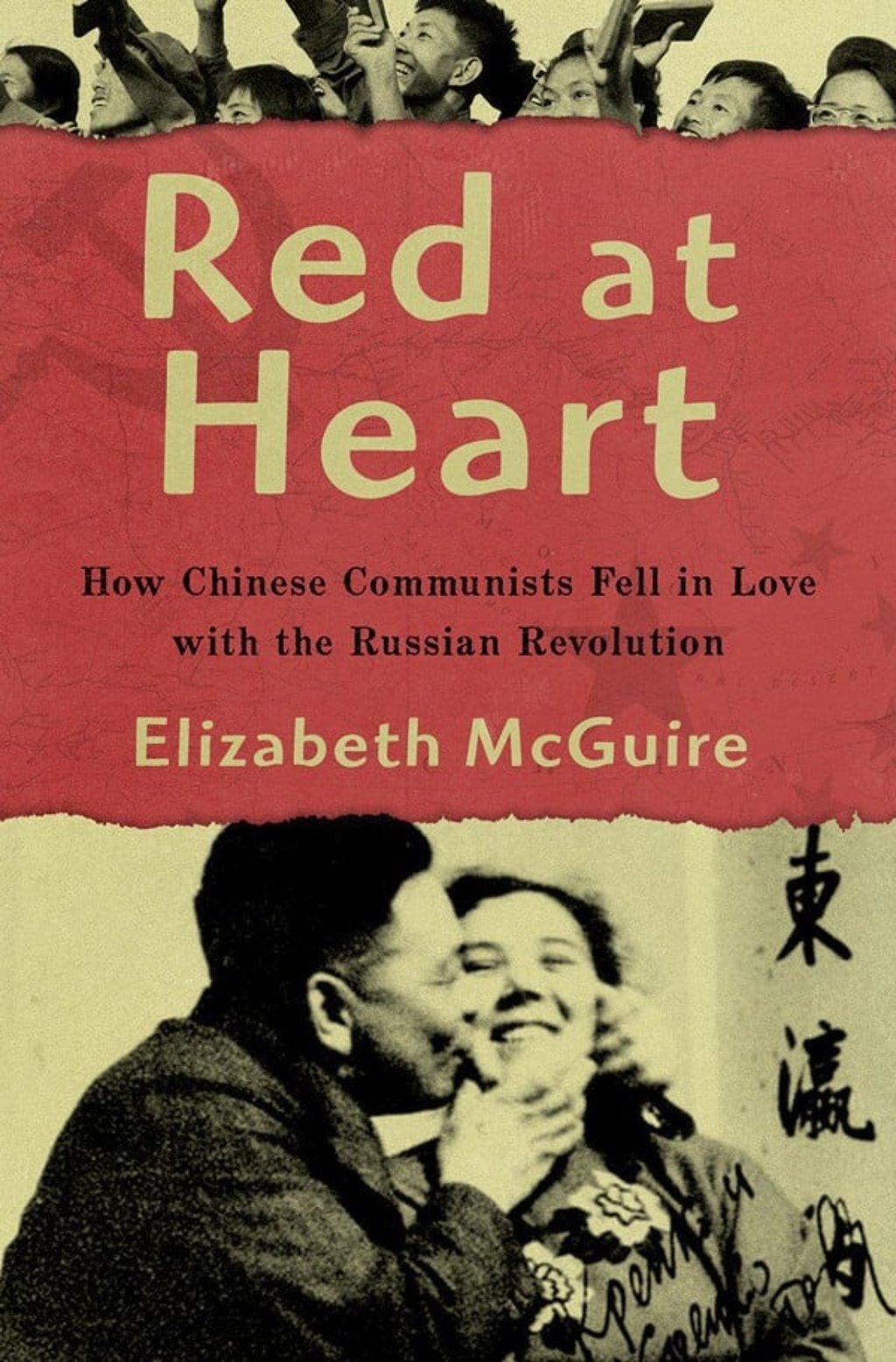
McGuire was employed as a Russia expert in both the business and academic worlds when she noticed that the European country’s patchy post-revolutionary progress – one step forwards, two steps back – was repeated in the missteps that followed the Communist takeover of China, 30 years later. The revolutions shared similarly timed and equally ill-conceived campaigns for rapid economic growth as well as destructive widespread purges. “But all the books that I found were about ‘Sino-Soviet relations’ – that kind of geopolitical orientation, clash of great dictators focus, and ideology like, ‘When was the first Marxist work published in Chinese?’
“And to me, none of that explained what I was seeing,” McGuire says.
The revolution-exporting Communist International, or Comintern, monitored revolutions worldwide, and its labyrinthine Moscow archives contain more documents than any historian could absorb in a lifetime.