Novelist’s deep dive into Korean wartime sex slaves story leaves scars
Mary Lynn Bracht says quest for her roots led to debut novel honouring ‘comfort women’, and research into their ordeal affected her deeply

White Chrysanthemum, Mary Lynn Bracht’s first novel, should be one of the most powerful and important books published this year – not least because it was inspired by real events. “White Chrysanthemum is about what happens to women in war,” Bracht tells Post Magazine.
“When it comes to atrocities committed against women, because they always involve sex, we don’t talk about it. We don’t really want to know about it. We don’t really want to be informed about it. But it’s something you can’t look away from because it’s still happening.”
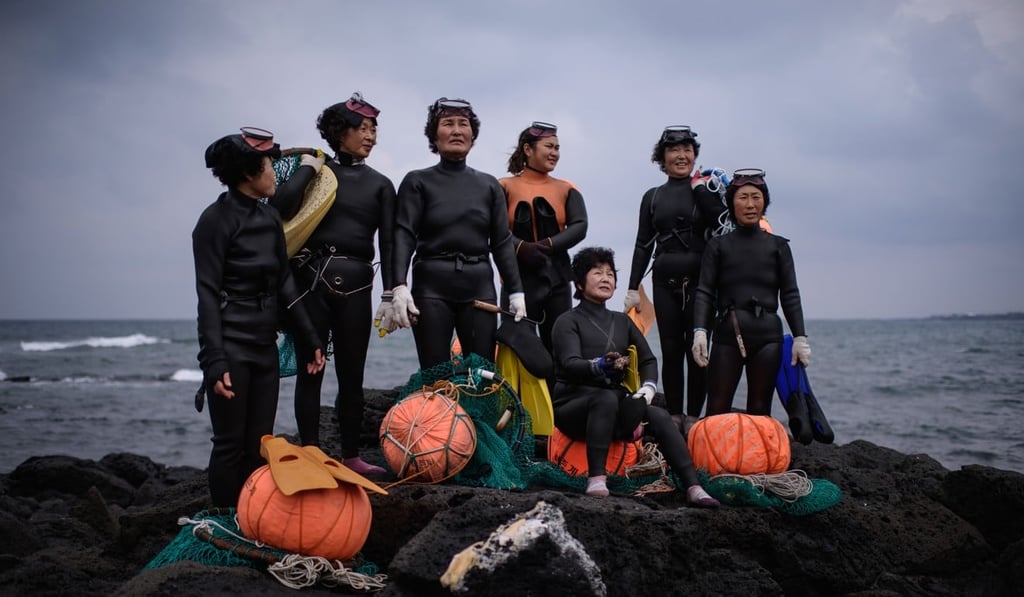
Bracht’s debut marries a tender portrait of the haenyeo, female divers who, to this day, work the waters of the Korea Strait surrounding Jeju Island, which lies about 70km south of the Korean Peninsula, with a frank and affecting account of the country’s comfort women, who were abducted into sexual slavery by Japan’s Imperial Army before and during the second world war. Some, like real-life comfort woman Ahn Jeom-sun, were as young as 13 when their terrible trials began. Their purpose, so they were told, was to prepare soldiers to die in battle for their emperor.
Yet, despite a mountain of evidence and an official apology given in 1994 by Japan’s then prime minister, Tomiichi Murayama, the country’s so-called military brothels remain deeply contentious. Last month, South Korean President Moon Jae-in condemned Japan’s treatment of comfort women as “crimes against humanity”. Japan’s response, voiced by Chief Cabinet Secretary Yoshihide Suga, called Moon’s denunciation “unacceptable and deeply regrettable”, not least because it violated a 2015 agreement whereby 1 billion yen of compensation effectively bought South Korean silence on the issue.