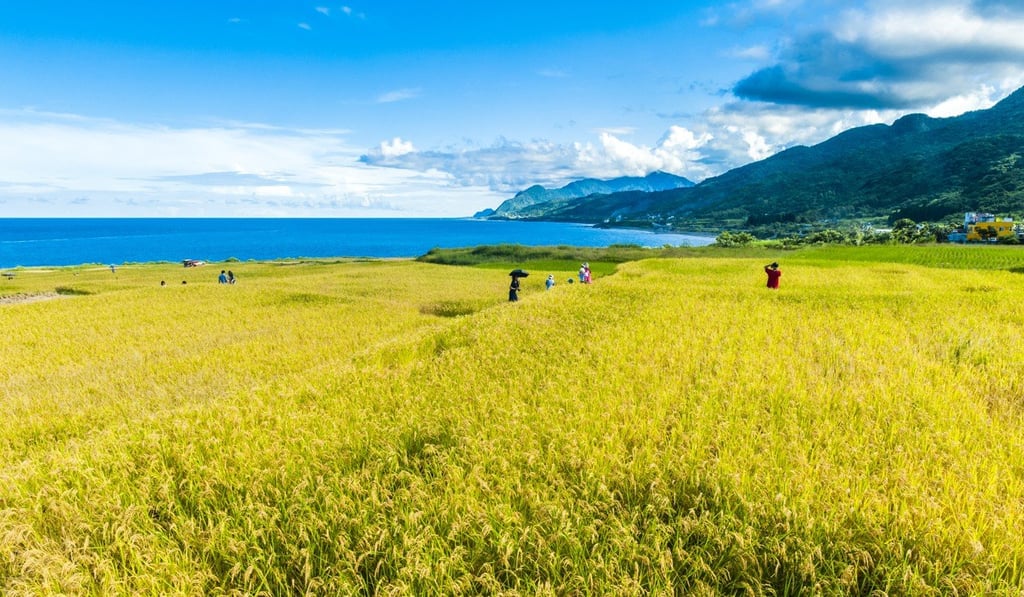
Mastering meditation on a 10-day silent retreat in Taiwan: hard beds, mosquito murder and a quiet mind
To practise Vipassana, students cannot speak or react to their environment. A writer finds tedium, solace and ultimately reward in the ‘incredible reset’

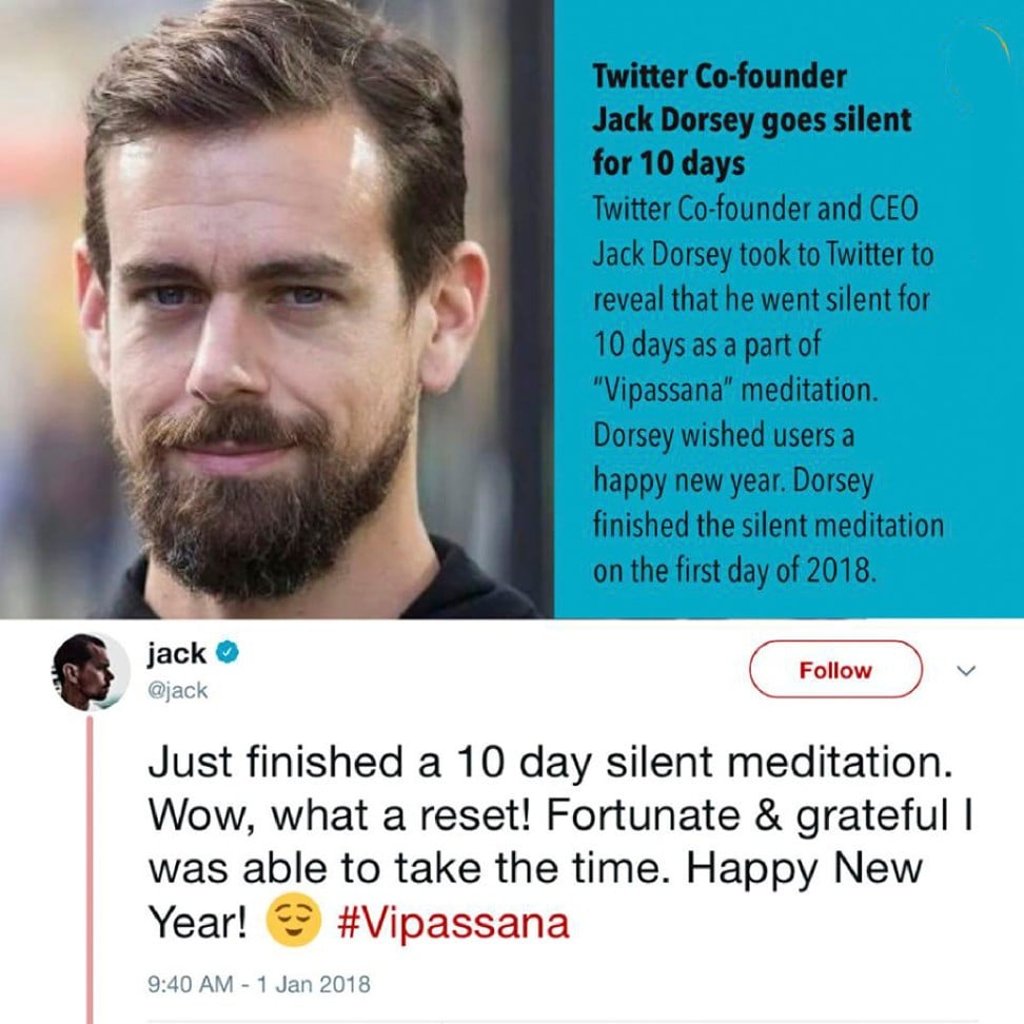
It’s half a century since the Beatles embarked on a Transcendental Meditation course in northern India. Fashions for alternative therapies have waxed and waned ever since, but one of the most exacting got a surprise boost in January, when Twitter CEO Jack Dorsey announcedhe had shut down his smartphone and spent 10 days over Christmas meditating at a Vipassana centre in the United States, remarking afterwards that it had been an “incredible reset”.
Vipassana students are not allowed to speak. No food is served for 19 hours – that’s from lunch at 11.30am until breakfast at 6.30am, unless you count a piece of fruit for supper. Meditation takes up the bulk of your waking moments, and after a couple of days, you are not supposed to shift your bum or even open your eyes, no matter the discomfort. Men and women are segregated, even sitting on opposite sides of the meditation hall. But, I reasoned, if Mister Twitter could take the time out – and rejoice in doing so – why not me too?
Buddhist in nature, the course is open to everyone, regardless of their religious inclinations. And so my wife and I found ourselves bound for a getaway quite unlike any other we’d ever experienced, a mere 90 minutes’ flight (and an hour sitting on the tarmac: thank you, HK Express) from Hong Kong, in Taiwan.
An austere Vipassana centre in Taiwan’s Xinshe district