In Indonesia, cleaning up the Citarum, ‘the world’s dirtiest river’, is now a military operation
- President launched a seven-year clean up of the Citarum River, but critics believe the move more political than ecological
- Activists say that by supplying jobs and occasionally bribes, polluting textile industry unlikely to be tamed

West Java is the heartland of Indonesian manufacturing, and industrial zones on the outskirts of the provincial capital city, Bandung, are, according to the Ministry of Industry Indonesia, responsible for more than 14 per cent of the Southeast Asian nation’s gross domestic product. Most factories here produce textiles, with some operations being essential links in the supply chains of global fashion brands such as Zara, Gap, Adidas and H&M.
Access to cheap and plentiful water has been key to the area’s rapid growth since the 1990s: processes such as textile bleaching and colouring consume large amounts of the natural resource. According to recent data from the Coordinating Ministry of Maritime Affairs, some 2,800 factories now rely on the Citarum, the longest river in West Java, for their supply and for the disposal of waste water.
By law, such factories are required to clean up their waste water before flushing it back into the river, but activist groups claim that minimal enforcement, coupled with widespread false reporting and bribery, mean facilities continue to dump a cocktail of toxic and hazardous chemicals into the Citarum and adjoining canals. In 2013, an investigation by environmental action group Greenpeace found hazardous chemicals including cadmium, lead and cobalt in waste water entering the Citarum.
Decades of neglect and mismanagement have, activists insist, turned the waterway into a toxic swamp, and the once pristine Citarum has earned its epithet as the dirtiest river in the world, bestowed by the World Bank a decade ago.
The Citarum empties into the Java Sea at various points along the north coast of West Java, about 80km east of the nation’s capital, Jakarta. According to a study by America’s University of Georgia, Indonesia – with its population topping 260 million – is, when it comes to plastic waste, the second greatest ocean polluter, trailing only China.
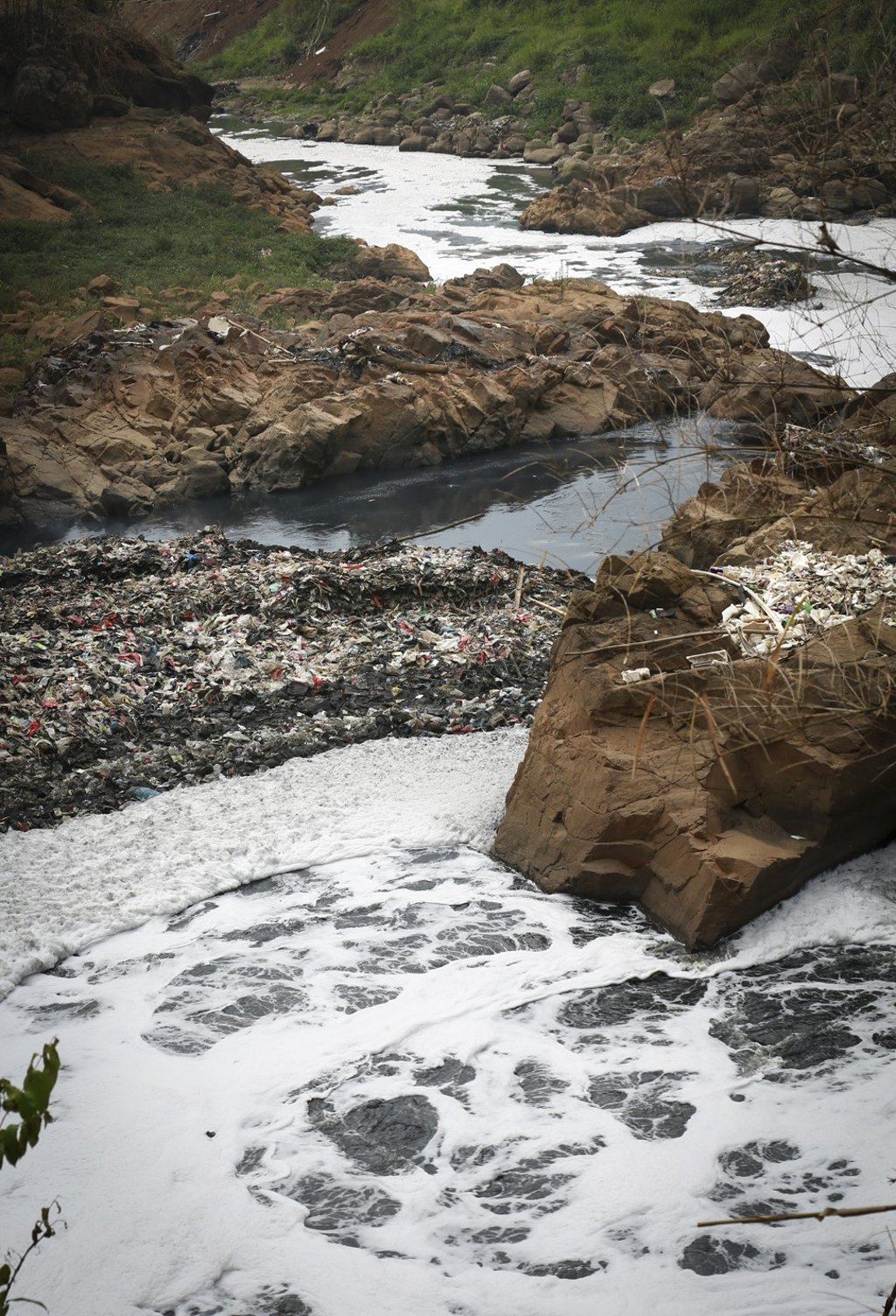
In response to the river’s degradation, in February, President Joko Widodo initiated a seven-year clean-up campaign. The decree puts the Citarum in West Java into the hands of the military, while the Coordinating Ministry for Maritime Affairs leads strategic direction. The army now has the right to “improve, revoke, and/or alter existing regulatory provisions”, a controversial move signalling that, when it comes to the environment, conventional law enforcement has been deemed to have failed in the region. Dr Safri Burhanuddin, deputy coordinating minister for maritime affairs, expects visible and measurable improvements in the Citarum river basin to be achieved in four to five years.