As death count in Philippines’ war on drugs rises, discovery of meth addict’s body raises questions
- More than 5,000 ‘drug personalities’ have been killed since President Rodrigo Duterte launched his anti-drug campaign after taking office in 2016
- Human rights groups believe the killings are directly or tacitly sanctioned by the government, claims that are hard to prove because most deaths remain uninvestigated

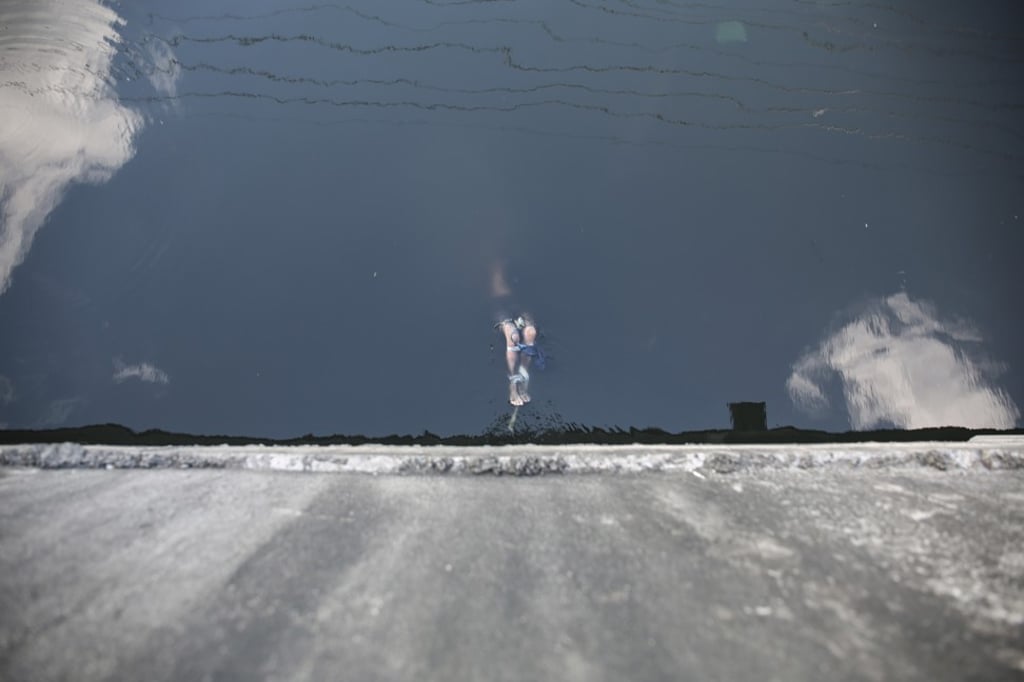
It was 3pm in Tondo, Manila’s poorest and most densely packed slum. The body floated beneath a bridge in the brackish flow of a waterway off the Pasig River. Its knees, poking just above the water, swayed from side to side. As the corpse bobbed, details were revealed. The dead man’s legs and arms were bound with rope. His head was wrapped in packing tape. His body was coiled with chains, padlocked to a pail filled with concrete.
This was not anything too unusual in the impoverished corners of the Philippine capital. Since President Rodrigo Duterte rose to power in June 2016, the death toll from his war on drugs has kept climbing. Authorities report that more than 5,000 “drug personalities” have been killed in police operations around the country.
Human rights groups believe the death toll could be four times that, with many cases either going unreported or being carried out in the shadows by government-backed hit squads.
Manila also has home-grown perils. Drug gangs, loan sharks and random street crime account for thousands of deaths each year in one of the region’s most dangerous cities. Rights groups estimate that there have been at least 20,000 killings and drug-related deaths across the country since 2016. That is a rate well below some of the world’s most dangerous places in Latin America and the United States. But it is among the highest in Southeast Asia.
Whether the deaths are mostly related to Duterte’s war on drugs is unclear. But what connects them all is a kind of numbed silence. The names of those killed in Manila and elsewhere are rarely known beyond their families and friends. Their stories – and, by extension, the stories of Manila’s dark side – are seldom told. The body that floated under the bridge on January 14 could have been dumped there for many reasons.