In Papua New Guinea, witch hunts, torture and murder are reactions to the modern world
- Belief in sanguma, or black magic, has spread as infrastructure has improved and greater numbers of people are on the move
- Accusations are being used to justify violence against women in a patriarchal society where advance is deemed threatening

February 6, 2013 is a date that is seared into Jackson Kapo’s memory.
On that day, Kapo was one of about 100 witnesses to the lynching of Kepari Leniata. The 20-year-old mother was burned to death on a pyre made of tyres, wood and rubbish in Mount Hagen, Papua New Guinea (PNG).
“They tied her up and got tyres from a big truck,” recalls Kapo, who stood by helplessly as Leniata, who had been tortured with a hot iron rod, was bound and gagged, then dumped onto the rubbish pile along with the tyres, which were set ablaze. He looks slightly ill, then says in a small voice. “She didn’t die quickly. It took about 30 minutes.” He pauses. “Some people were horrified,” says the 26-year-old, who, along with his parents, sells betel nuts on the same busy street, Warakum Junction Road, where Leniata met her ghastly end.
The rubbish heap has since been cleared away, and numerous vendors of peanut and betel nut – the mild stimulant that Papua New Guineans chew on throughout the day, giving them red teeth – have set up shop alongside the road, displaying their wares on makeshift wooden tables under faded umbrellas that protect them from the scorching sun. There is no memorial to Leniata at the site – nothing acknowledging her suffering or the accusations of witchcraft that were her guilty verdict as well as her death sentence.
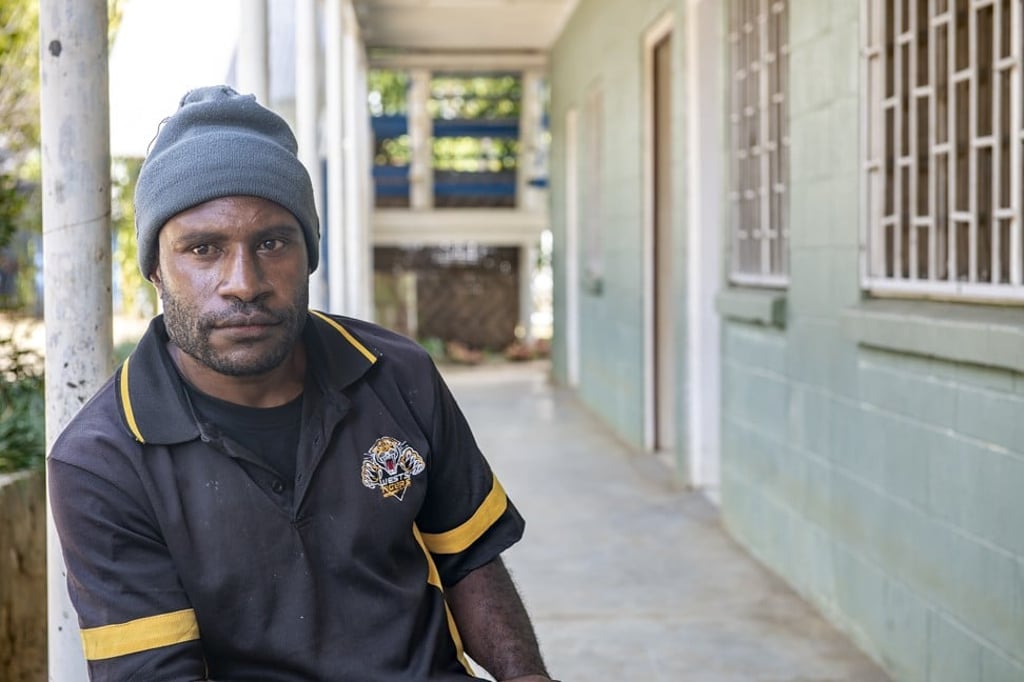
As Kapo reveals, not all the witnesses responded with horror as flames engulfed Leniata’s body. Some felt her fate was deserved. Her crime? She was blamed for the death of a six-year-old neighbourhood boy who had succumbed to a diarrhoeal condition after several days of illness.
PNG, which has more than 800 living languages, each representing a unique cultural group, has ancient tribal belief systems that incorporate animism and ancestor worship with 20th-century missionary-imported Christianity. According to this complex system, an untimely death is caused not by something, such as an accident or disease, but by someone. The individual unfortunate enough to be accused is regarded as being an evil practitioner of sanguma.