The insect apocalypse is coming: Hong Kong moth study shows the threats and complexities
- The consequences of insect die-off could be catastrophic for all life on Earth
- Scientists in the city are certain that habitat destruction, pollution, invasive species and global warming threaten Hong Kong’s insect populations
It’s the end of a grey, gloomy day, and in a car park amid woodland in Hong Kong’s central New Territories, four moth enthusiasts have just finished putting up a set of lights. There’s time for a picnic dinner before an evening of “mothing” commences.
“It looks good this evening – overcast with a little mist,” says Roger Kendrick, the organiser of the exercise.
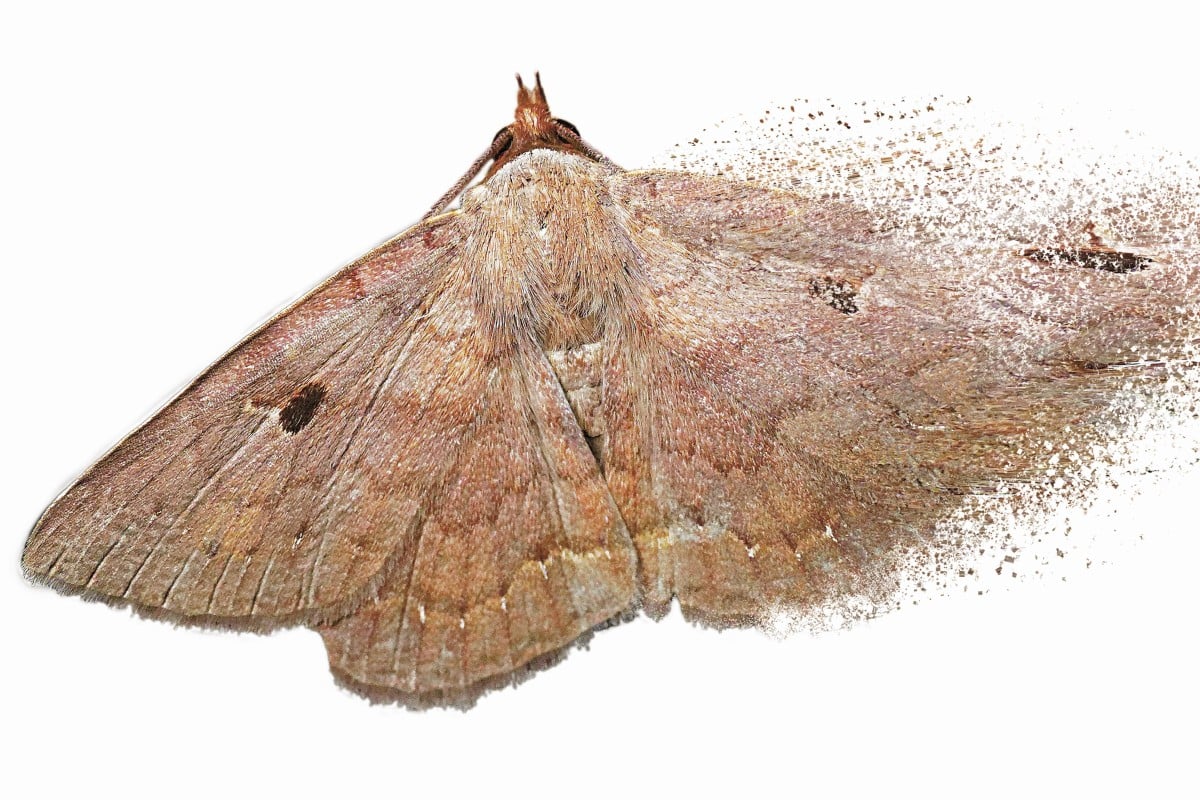
Soon after nightfall, the bespectacled, thinly bearded Briton, whose passion for moths led him to found a consultancy, C&R Wildlife, during his decade as senior conservation officer with Kadoorie Farm and Botanic Garden, is proved correct. Moths start fluttering out of the darkness into the brilliant white light, some landing on a white sheet that has been hung from a fence about three metres away.
Last month, the perilous state of global insect populations made headlines after a paper appeared in the journal Biological Conservation. Its researchers had assessed studies from around the world and found that 41 per cent of insect species had declined, concluding, “insects as a whole will go down the path of extinction in a few decades”.
I’ve joined the moth survey to try to discover how the “insect apocalypse” – as the die-off has been dubbed by publications such as The New York Times – is affecting Hong Kong.
The consequences of a large-scale insect die-off would be catastrophic. Animals that eat mainly insects, such as birds and frogs, would die, too, from lack of food, and soon after, the animals that eat those birds and frogs would also die of hunger. Eventually, animals at the top of the food chain, including humans, would also face extinction. Flowering plants, including trees and many crops that are grown for human food, such as tomatoes and apples, need insects to pollinate them. All plants would lack the nutrients they need to grow, and could die, without insects breaking down dead animals and other plants that fertilise the soil. Plant roots would lack the underground air they need without insects burrowing into the soil and creating air pockets.