Are Philippine children’s deaths linked to dengue vaccine?
- A mix of corporate greed and corruption is being blamed for a series of deaths linked to pharmaceutical giant Sanofi’s Dengvaxia vaccine
- People’s trust in country’s immunisation programme is shaken, leading to a surge in measles cases

In suburban Taytay, a 20-minute drive from downtown Manila, in the Philippines, a distraught family have gathered at a funeral parlour. At the back of the building, in a wide, white-tiled room, the body of a 12-year-old boy lies on a stainless-steel table, face up, legs slightly bent. Five forensic investigators put on blue plastic overalls before they cut open Elijah Rain de Guzman to perform an autopsy. Over almost four hours, they collect tissue samples, measure and weigh the major organs and carefully photograph every detail. Outside, Elijah’s family are waiting.
Scenes such as this, which took place in September, have become routine for Dr Erwin Erfe, a forensics expert working for the Philippine Public Attorney’s Office. For many months, he has been performing two or three autopsies every week on the bodies of young people who exhibited “internal bleeding, especially in the brains and lungs … and swollen organs”.
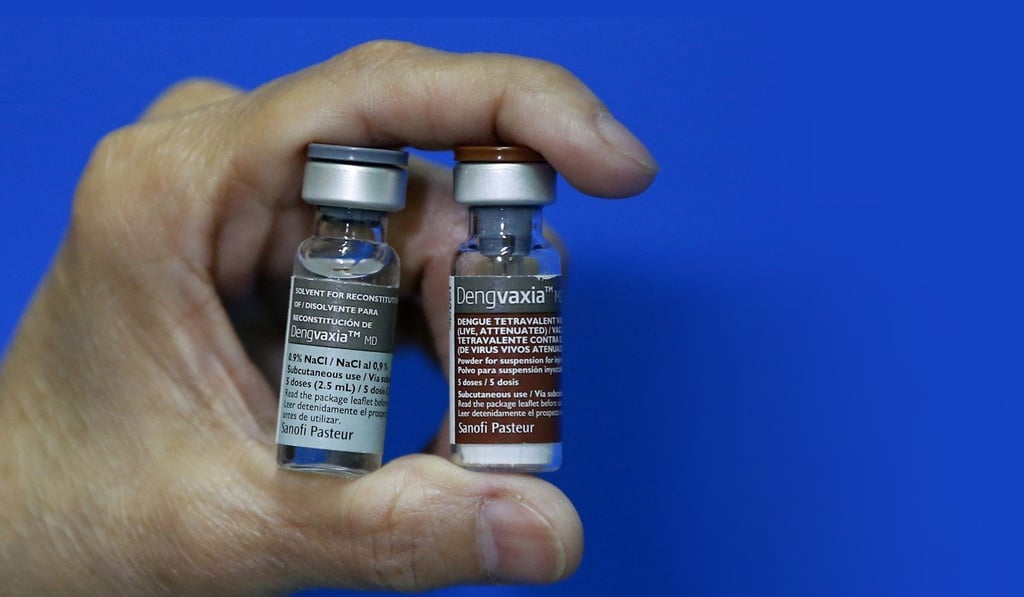
Erfe and his colleagues believe these symptoms have been caused by Dengvaxia, a dengue vaccine developed by French pharmaceutical giant Sanofi. He has performed 132 autopsies that point to the vaccine as a probable cause of death.
“Some have died quickly after the injection, especially the children who had compromised immune systems, others developed an infection several months after,” he explains.
Most have come from a poor background, without easy access to the health care system.
In total, the deaths of about 600 children who received Dengvaxia are under investigation by the Public Attorney’s Office.