How China is haunted by its one-child policy – young couples are reluctant to expand their families
- Birth rates have dropped and the nation’s population is ageing, posing serious economic threats for the country
- Citing high living costs and uncertainty about the future, many parents are opting to channel their resources into a single child
When she started her job nine years ago, Liu Fang’s work involved making sure the women from her village did not have unauthorised babies.
If they had a girl or a disabled child, they were allowed another chance. If they already had two children or a boy, Liu handed out condoms and urged the women to get an intrauterine device. If they got pregnant again, she would encourage them to have an abortion.
As the representative of All-China Women’s Federation for Nanchuan – a township of 6,000 people on the outskirts of a small village, on the outskirts of a small city, on the outskirts of a provincial capital in central China – Liu was entrusted with keeping down the population in her little patch of a country with 1.4 billion people.
Her job performance was evaluated by the number of births in her district – the fewer, the better.
Today, her job could hardly be more different. After the Chinese government abandoned its one-child policy three years ago, Liu’s mandate has changed from making sure local women don’t have too many babies to actively encouraging them to have more.
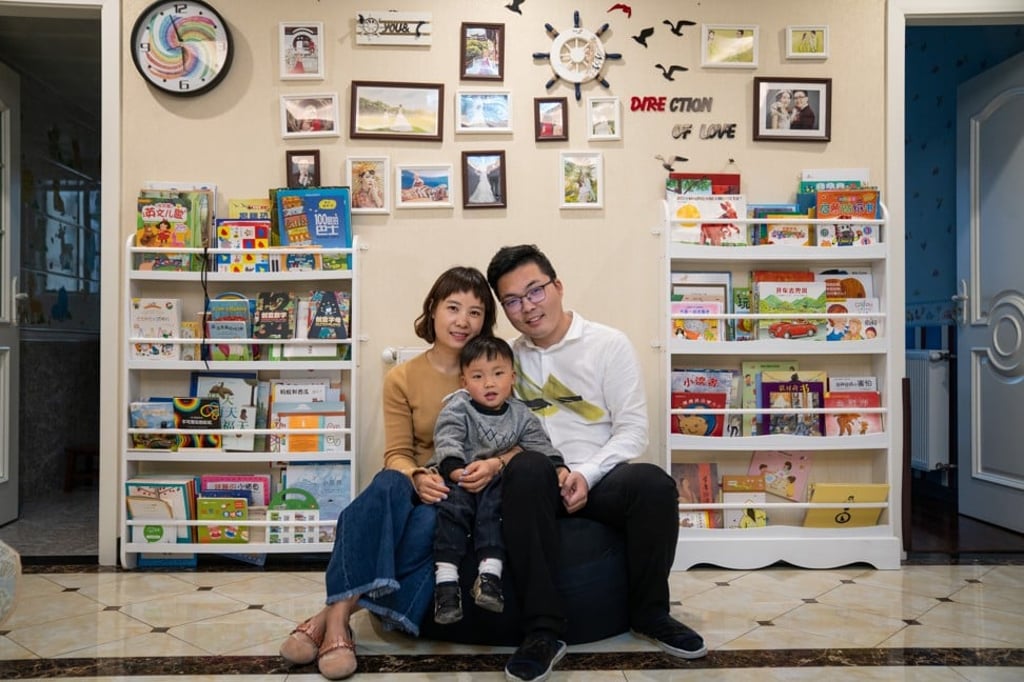
There’s just one problem: Now, most people don’t want to have more than one child.