Tokyo in 1970s and 1980s: photographer Greg Girard captured Japan’s dirty underbelly
- Drawn to the city’s nightlife in 1976, Canadian photographer documented the city on the cusp of an unexpected metamorphosis
- The seamy nightlife districts of Tokyo provided Girard with a setting for edgy portraits, but his pictures paint a much more nuanced picture of everyday life
In early 1976, Canadian photographer Greg Girard flew from Los Angeles to Tokyo. He had a multistop ticket and a vague plan to visit a number of yet-to-be-determined Asian destinations.
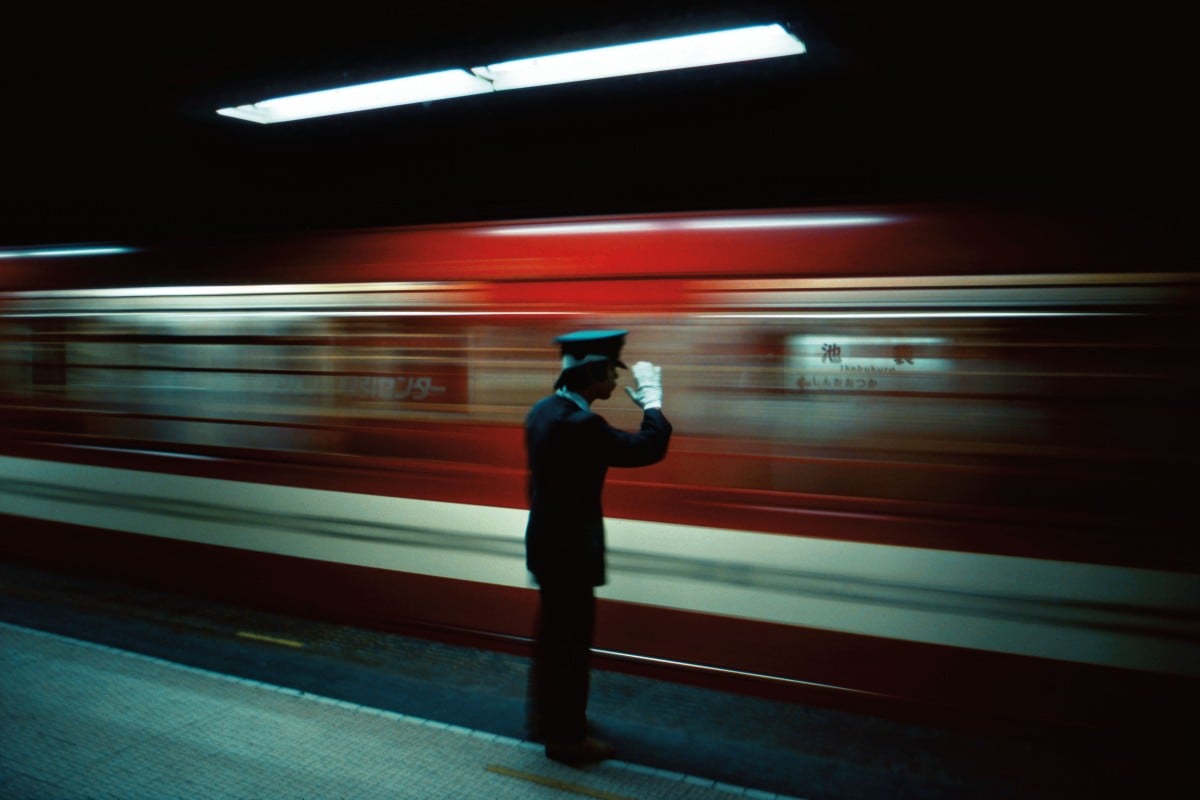
Landing at Tokyo’s Haneda airport, he took a commuter train into the Japanese capital for what he expected would be no more than a quick look around. Walking the city streets from night to morning, he experienced an instant attraction to the city, and an intense curiosity about its mix of non-Western customs and hyper-modern urban surfaces.
“It was just so obvious that it was a kind of science-fiction place – that word just popped into my head looking out the train window at the city. I thought, ‘Why didn’t anybody tell me about this?’ It was clear that first night that I wanted to stay.”
Few would have described the Tokyo that Girard discovered in 1976 as one of the great destinations of the world. Foreign visitors were more likely to complain that Tokyo was a planless maze: chaotic, featureless, polluted, a city concerned only with economic growth.
Girard’s sense that Tokyo was somehow the gateway to the future was intuitively on the mark, however. His arrival came at a time when Japan was on the cusp of an unexpected metamorphosis.
After the Opec “oil shock” of 1973 had suddenly rendered the country’s prosperous industrial sector financially vulnerable, Japan’s leaders gambled and threw government support to the country’s emerging hi-tech companies – the makers of integrated circuits, semiconductors and consumer electronics products. That bold move paid off handsomely.