Chinese scientists guilty of ‘researching while Asian’ in Trump’s America
- Leading cancer researcher Wu Xifeng was hounded from her job at a Texas institution thanks to a hostile political climate in the United States
- Such attitudes are not only stymying life-saving work but also casting cold-war-style suspicion on Chinese-American and Chinese academics

The dossier on cancer researcher Wu Xifeng was thick with intrigue, if hardly the stuff of a spy thriller. It contained findings that she’d improperly shared confidential information and accepted a half-dozen advisory roles at medical institutions in China. She might have weathered those allegations, but for a larger aspersion that was far more problematic: she was branded an oncological double agent.
In recent decades, cancer research has become increasingly globalised, with scientists around the world pooling data and ideas to jointly study a disease that kills almost 10 million people a year. International collaborations are an intrinsic part of the United States National Cancer Institute’s Moonshot programme, the government’s US$1 billion blitz to double the pace of treatment discoveries by 2022. One of the programme’s tag lines: “Cancer knows no borders.”
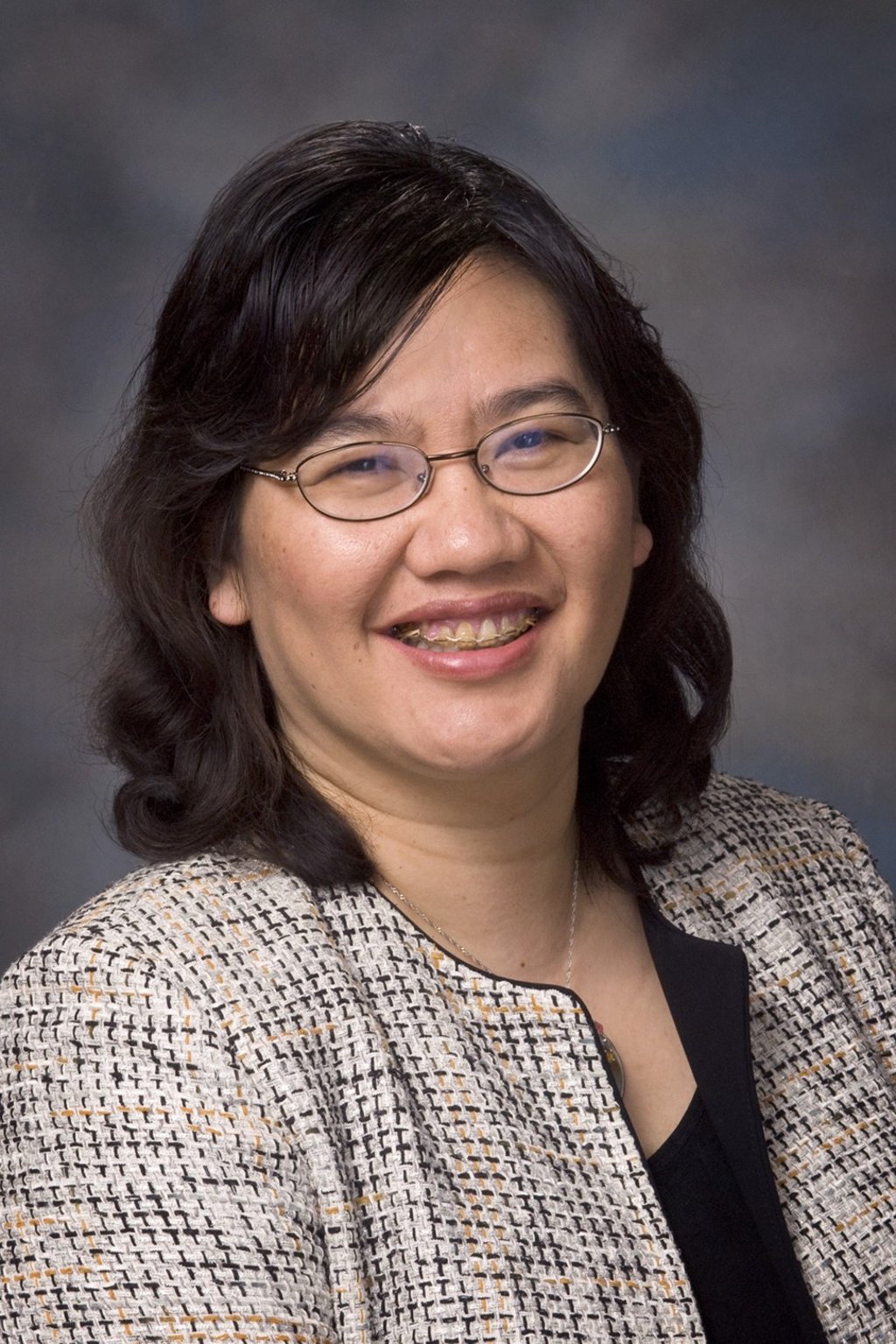
Except, it turns out, the borders around China. In January, Wu, an award-winning epidemiologist and naturalised American citizen, quietly stepped down as director of the Center for Translational and Public Health Genomics at the University of Texas MD Anderson Cancer Center after a three-month investigation into her professional ties in China. Her resignation, and the departures in recent months of three other top Chinese-American scientists from Houston-based MD Anderson, stem from a Trump administration drive to counter Chinese influence at US research institutions. The aim is to curb China’s well-documented and costly theft of US innovation and know-how. The collateral effect, however, is to stymie basic science, the foundational research that underlies new medical treatments. Everything is commodified in the economic cold war with China, including the struggle to find a cure for cancer.
The NIH, the world’s biggest public funder of basic biomedical research, wields immense power over the nation’s health-research community. It allocates about US$26 billion a year in federal grants; roughly US$6 billion of that goes to cancer research. At a June 5 hearing, NIH officials told the US Senate Committee on Finance that the agency has contacted 61 research institutions about suspected diversion of proprietary information by grant recipients and referred 16 cases, mainly involving undisclosed ties to foreign governments, for possible legal action. Ways of working that have long been encouraged by the NIH and many research institutions, particularly MD Anderson, are now quasi-criminalised, with FBI agents reading private emails, stopping Chinese scientists at airports, and visiting people’s homes to ask about their loyalty.