A Rohingya refugee documents decades of horrors as a member of Myanmar’s persecuted ethnic minority
First, They Erased Our Name author Habiburahman was a carefree child when his grandmother told him of the campaigns of violence and terror against his people. Two generations later, little has changed for the stateless Rohingya

He goes by a single name. But Habiburahman, better known as Habib, can lay claim to two identities, and at least nine lives. And for most of his 40 years on this Earth he has been stateless – even since 2010, when he was granted refugee status in Australia, where he now lives and works in construction in Melbourne.
But you won’t find him complaining about the eight years he has clocked up waiting for an Australian protection visa.
The desperate plight of those displaced by the most recent spate of military violence has been well documented, less so the preceding decades’ continued campaign of ethnic cleansing.
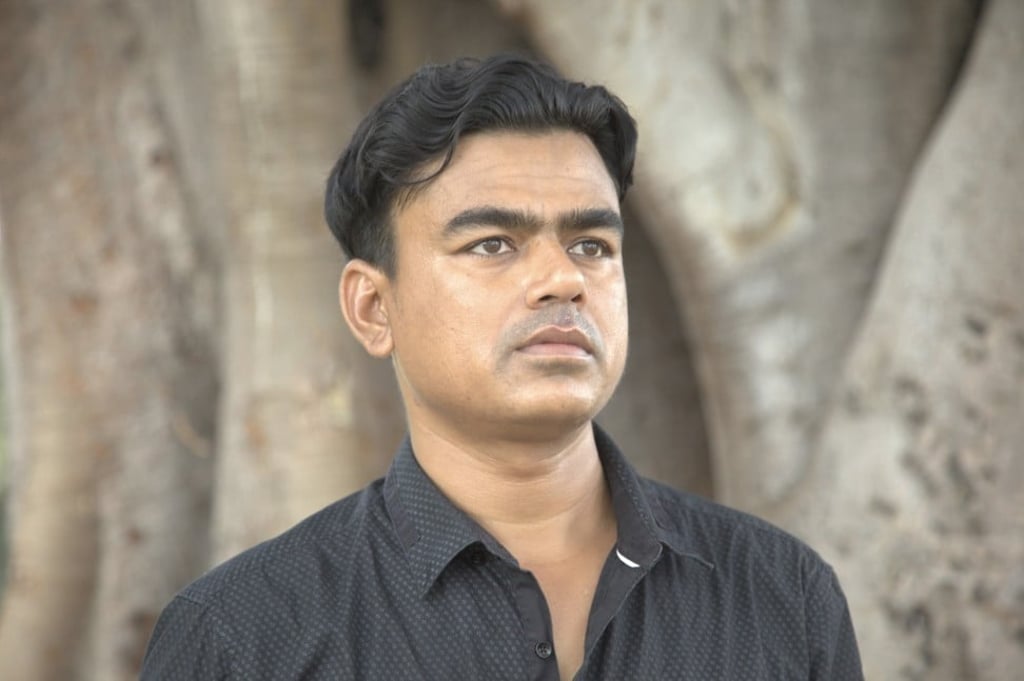
“There have been many media reports about the Rohingya since 2017, when more than 600,000 suddenly turned up at the Bangladeshi border,” says Habib in his fractured English, one of several languages and dialects he speaks. “But 30 or 40 years ago, we had Rohingya people living in 17 townships across Arakan [Rakhine] state. Now you will find only eight or nine.”
Published this month and translated by Andrea Reece, First, They Erased Our Name (Scribe) was conceived in 2006 after Habib met French journalist Sophie Ansel in Malaysia, during the nine years he lived there illegally. He and Ansel wrote his memoir via email exchanges, while he was detained in Australia from 2009 to 2014, and into 2017.