The US sees Chinese state-owned rail company CRRC as a cybersecurity threat. Is it right to?
- Since 2014, the world’s largest maker of freight wagons and passenger carriages has won US$2.6 billion in contracts in America
- Antagonists argue that its coaches will be used for espionage, an economic and military security concern

The concrete floors shine in the new US$100 million factory on Chicago’s far South Side. Towering shelves painted in blue, yellow and red are mostly empty. The quiet is eerie, punctuated only by a forklift’s occasional beep.
On a bank of two-metre-high platforms rest the steel shells of five 15-metre-long passenger carriages destined for the Chicago Transit Authority. Inside them, clutches of workers trace multicoloured bundles of wire.
Outside, others in safety helmets and glasses attach heating, ventilation and air-conditioning equipment to the undercarriages. All work for the Chicago subsidiary of CRRC Corporation. And what they are doing scares the hell out of some American manufacturers and Washington politicians.
CRRC is the world’s largest maker of freight wagons and passenger carriages. Over the past decade, the Chinese state-owned company has gone from country to country underbidding rivals and taking business from giants such as Alstom, Bombardier, Siemens and Hyundai Rotem. When Munich-headquartered Siemens and Paris-based Alstom tried to merge two years ago, before being blocked by European Union regulators this February, the companies cited the CRRC juggernaut as one rationale.
The Chinese company effectively wiped out Australia’s home-grown railway carriage industry in less than a decade. Early last year, CRRC declared in a since-deleted tweet, “So far, 83% of all rail products in the world are operated by #CRRC or are CRRC ones. How long will it take for us conquering the remaining 17%?”
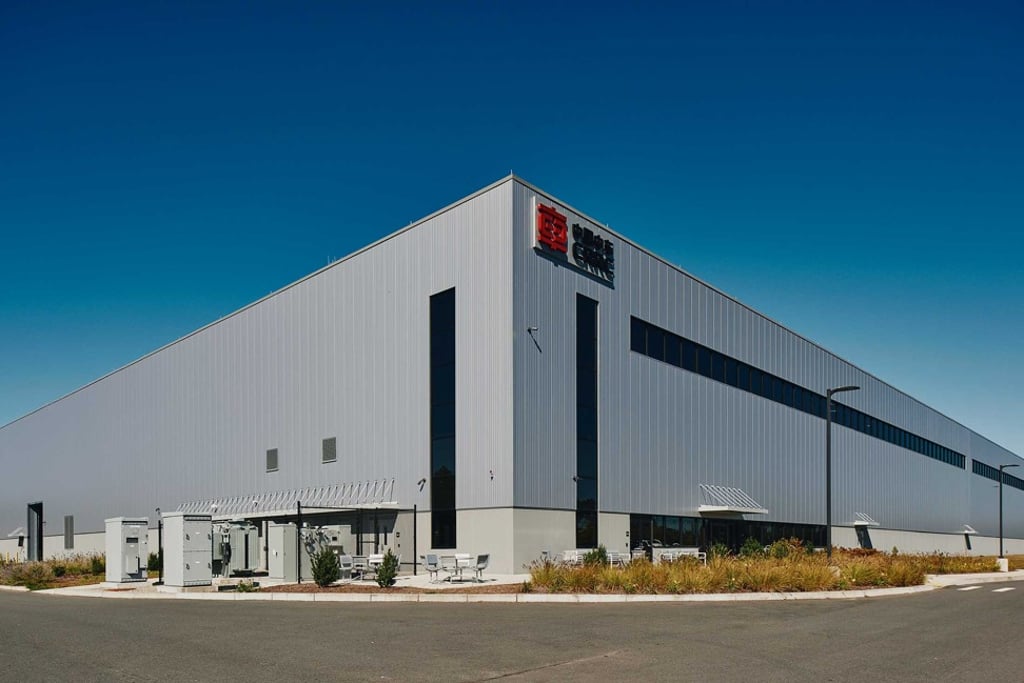
Since 2014, CRRC has won US$2.6 billion in contracts to supply subway carriages to transit authorities in Boston, Chicago, Los Angeles and Philadelphia. The Chicago factory and another in Springfield, Massachusetts, along with a parts-making facility in Los Angeles, collectively employ about 365 workers – including more than 150 union members earning as much as US$32 an hour – and plan to add dozens more.