Viruses aren’t just a threat to public health, they are essential to life on Earth
- We’ve all witnessed the ugly side of viruses at one point or another – smallpox, Ebola, the coronavirus
- Scientists are beginning to see these complex organisms, which played a major role in human evolution, in a different light

Imagine an alien creature floating in space. It doesn’t grow, communicate or move at all under its own steam. Without a home it is inert. We know very little about it, except that it will start reproducing when it enters the atmosphere of a planet that suits it. Is it living? Is it dangerous?
This may not sound like a plausible being, but it pretty much describes viruses, which are little more than bits of genetic material able to replicate only when inside a host. Viruses may seem alien, but they are the most abundant and, arguably, the most important organisms on Earth. They are found just about everywhere, from oceans and forests to the people around you and, of course, in and on you as well.
This world of strange, quasi-living things has been dubbed the virosphere, and it is a mysterious one – we know less about viruses than any other life form. But that is changing rapidly.
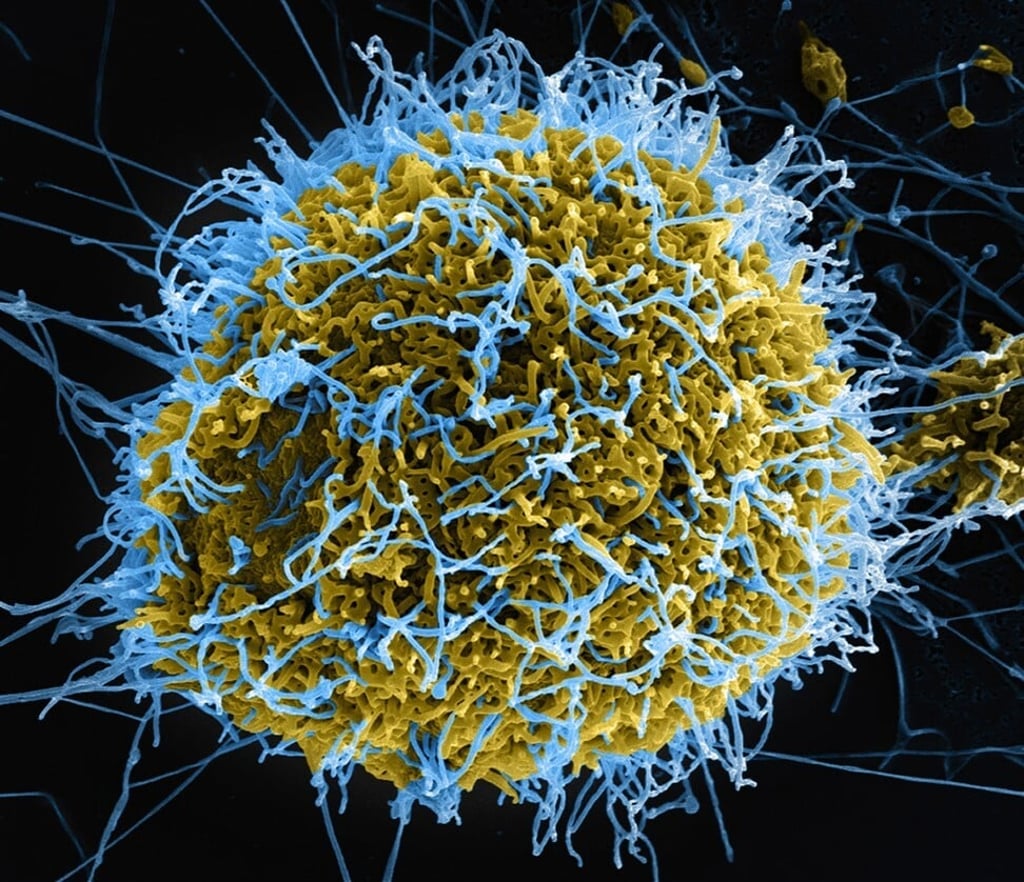
Our ability to inspect the genetic material they are made of has improved exponentially and, in the past five years, the number of species identified has increased twentyfold. What’s more, it is becoming increasingly clear that these bizarre and diverse organisms play a key role in evolution and may well have been crucial for the origins of life.
For sheer abundance, no other group of organisms matches viruses. According to research published last year, each day some 800 million viruses attached to dust particles fall onto every square metre of Earth’s surface – and we know almost nothing about most of them.