In the Brazilian Amazon, China is buyer, trader, lender, builder – to potentially devastating effect
- With Brazilian President Jair Bolsonaro on a ‘mission from God’ to settle the Amazon and carve it up for economic gain, Beijing’s growing reliance on the country for its soybean supply spells disaster for the region’s peoples and its rainforests.

In 1928, Henry Ford decided he would develop the Amazon. The American industrialist needed a cheaper and more reliable source of rubber for the millions of tyres produced by his namesake Ford Motor Company near Detroit, and the South American jungle’s trees held promise.
Ford had long believed he manufactured more than cars. He believed his factories built character, that they civilised the common man. He had tried to launch a project to carry out this vision in Alabama, but faced opposition.
He soon dispatched American managers who, together with local labourers, cleared land along a tributary of the Amazon River some 700km inland from the Atlantic coast. The site they proposed would support as many as 10,000 workers. Construction started, and Fordlândia was born.
The venture was a disaster. The rubber tree, though native to Brazil, refused to flourish in Fordlândia. The remote location made export to the United States difficult. People died from yellow fever. They died of malaria. More than once, jaguars ate employees’ children.
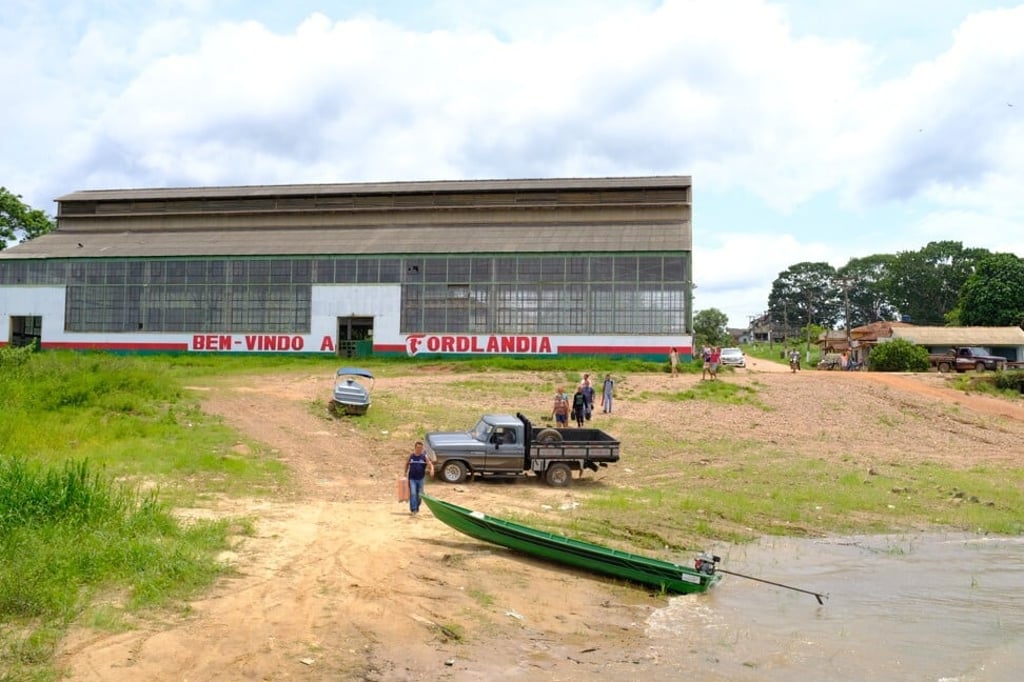
Ford supported Prohibition, so he forbade alcohol. He promoted square dancing to Brazilian staff as baffled by that as the hamburgers served for dinner. At a particularly low point, workers revolted, smashing property and chanting, “Brazil for Brazilians! Kill all the Americans!” By 1934, the Americans had abandoned Fordlândia.
Almost a century later, the Amazon basin is the epicentre of new industrial demand, this time for soy and beef. Where one of the great American business magnates failed, China now seeks to satisfy its insatiable hunger, spurring Brazilian prospectors to open up territory to farming and cattle grazing. Beijing may even help build a railroad to better transport the two commodities out of this remote region.