The China-Laos railway: a way out of poverty or a white elephant in waiting?
Critics of the Belt and Road Initiative rail link through Laos from China point to its devastating environmental impact and potential economic ruin for an already fragile economy. Others hope it can take Laos from landlocked to ‘land-linked’

At first, the journey from Luang Prabang International Airport into the city feels like the Southeast Asia of 30 years ago, before tourism and commercialisation brought beer-branded singlets and rowdy bars to even the most unremarkable towns.
In Laos’ former royal capital – a charming, Unesco-protected hodgepodge of golden-domed wats, teak-shuttered schools and muddy-green mountains – women sit in roadside corrugated iron shacks, machetes at hand to hack open a coconut or thwack an unwieldy length of sugar cane down to size. Sun-baked dogs doze on temple steps.
Further down the street, a neon sign advertises karaoke, a waving plastic arm points fun seekers towards crazy golf and a huge hoarding advertises Huawei’s latest smartphone. Chinese tourism and business have firm footholds here, likely to deepen with the opening of one of Laos’ biggest infrastructure projects.
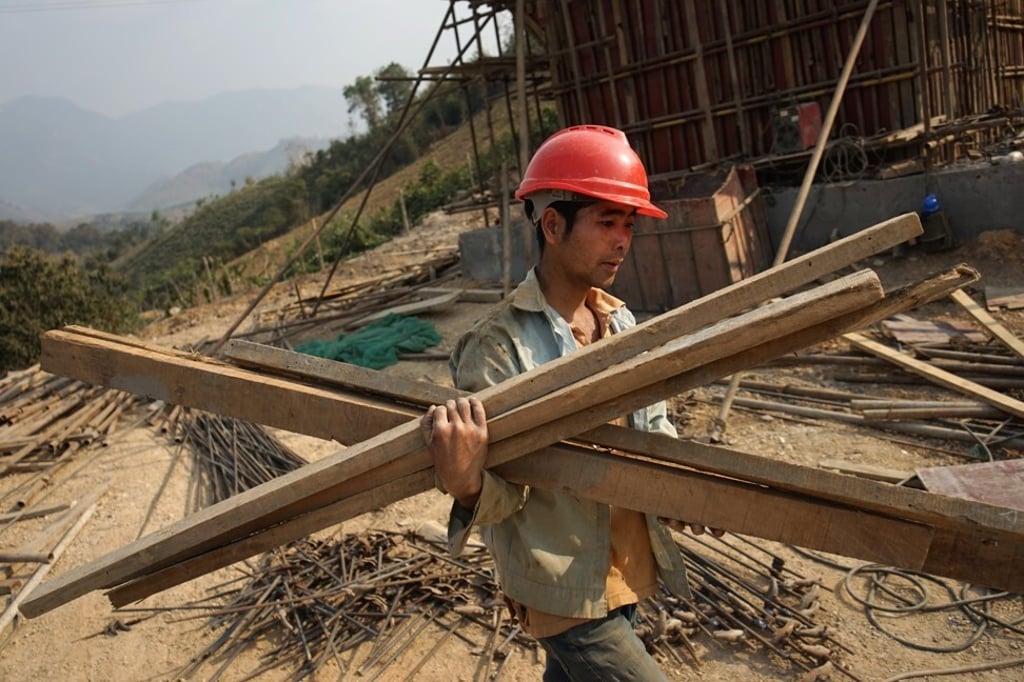
All that remains before the slated opening in December 2021 is for signalling mechanisms to be installed, and the final stretches of track to be laid along the 422km route. Starting in Boten on the Laos-China border, the line will take freight and passenger trains through northern and central Laos at speeds of up to 160km/h.
Eventually, the trains will stop at more than 30 stations, including Luang Prabang, before terminating in the capital, Vientiane. It will be part of a network of regional routes – completed, or nearing completion – linking China’s Yunnan province with Myanmar, Thailand, Malaysia and Singapore.