How White Russian ballet dancers sparked a revolution in China’s dance scene
The stateless émigrés trained ‘Shanghailanders’ in the early 20th century, including one Margot Fonteyn. Their influence remains embedded in modern Chinese ballet

About 25,000 Russian émigrés settled in Shanghai, giving the already multinational metropolis a heightened sense of cosmopolitanism. The main thoroughfare of the city’s French Concession, the Avenue Joffre (Huaihai Lu), became known as Little Moscow, boasting jewellers, seamstresses, Siberian furriers, vodka distilleries, as well as cafes with steaming samovars, Russian-style cabarets, and ballet.
Among the exiles rebuilding their lives in Shanghai were many classically trained dancers who had performed with the Mariinsky in St Petersburg and the Bolshoi in Moscow. Older dancers soon opened schools teaching the children of the privileged foreign “Shanghailanders”. Others performed in small troupes, often supported by the large number of Russian musicians in exile.
Initially audiences were small and unenthusiastic. The Shanghailanders of the early 1920s seemed to prefer lighter fare, and the Chinese evinced little interest in this strange dance.
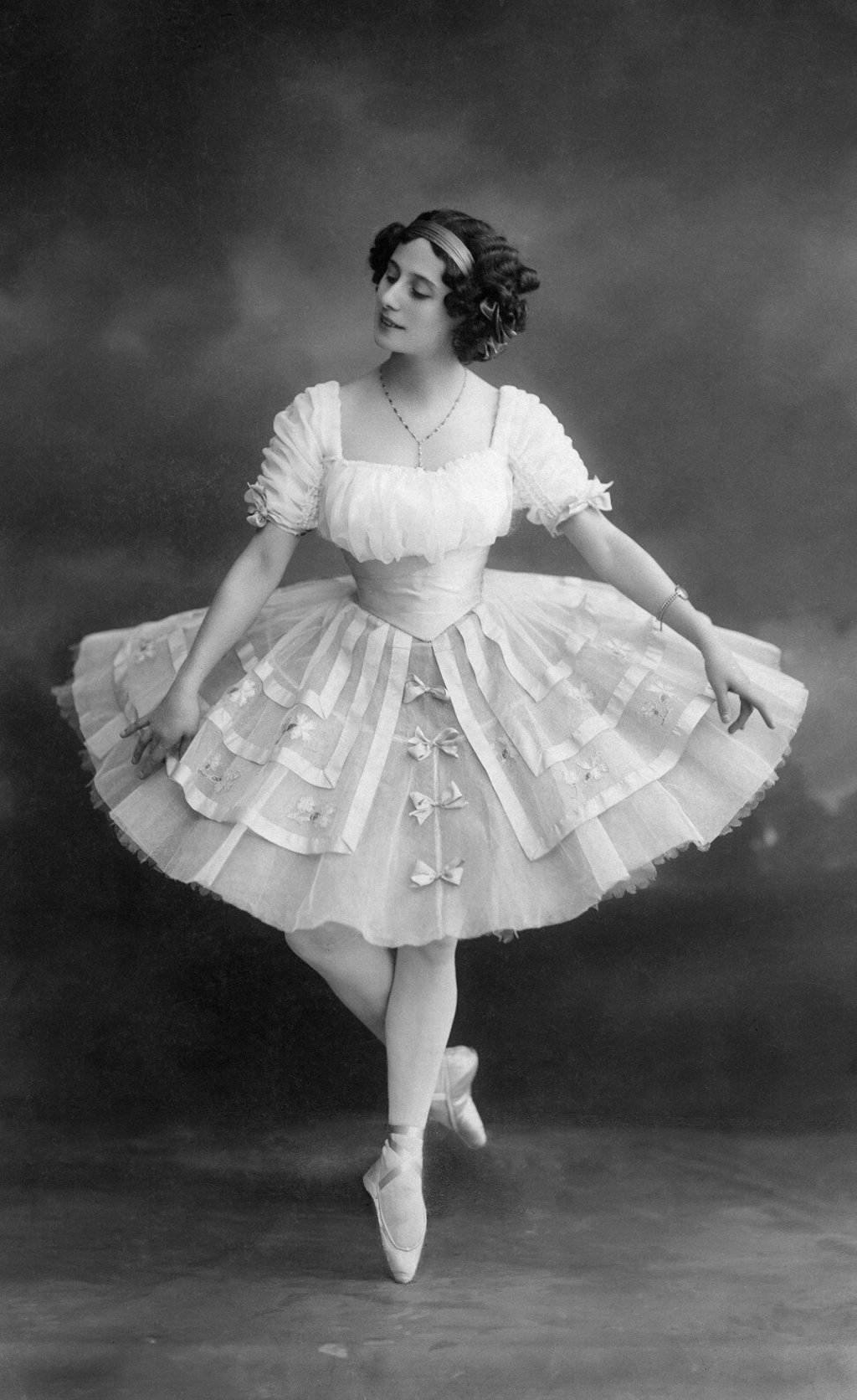
Then in August 1922, at the relatively advanced age for a prima ballerina of 41, the notorious Anna Pavlova arrived in Shanghai aboard the liner Empress of Canada with her troupe of two dozen dancers and assorted musicians. For the next fortnight Shanghai could talk of little else.
Pavlova had trained at the Imperial Ballet School in St Petersburg and most famously danced the iconic role of the Dying Swan. She had worked briefly with Sergei Diaghilev and the Ballets Russes, a company that introduced audiences to dancers such as Tamara Karsavina and Vaslav Nijinsky, and composers like Igor Stravinsky. Their productions often featured sets and costumes inspired by China, notably Pablo Picasso’s costume for the Chinese Conjuror in the 1917 ballet Parade, but Shanghai audiences were never to see them. However extensive the tours, the Ballets Russes never visited China.