How China’s vast and aggressive fishing fleet is kept afloat by Beijing
The country’s fishing fleet would not be able to sustain itself – or its geopolitical and surveillance role – without the hundreds of millions of dollars in subsidies it receives

More than 160km from shore, near the coast of West Africa, I accompanied marine police officers from Gambia as they “arrested” 15 foreign ships for labour violations and illegal fishing over the course of a week in 2019. All but one of the vessels were from China.
At the beginning of that same year, during a month-long voyage on a toothfish longliner headed into Antarctic waters from Punta Arenas, Chile, the only other ships we passed were a dozen rusty Chinese purse seiners that looked barely seaworthy.
Aboard a South Korean squid boat in May last year, I watched nearly two dozen ships flying Chinese flags make their way, single file, into North Korean waters, in flagrant violation of United Nations sanctions. They were part of the world’s largest fleet of illegal ships: 800 Chinese trawlers fishing in the Sea of Japan, or East Sea, revealed in a recent NBC investigation.
This July, more than 340 Chinese fishing vessels appeared just outside the biodiverse and ecologically sensitive Galápagos Marine Reserve. Many of the ships were tied to companies associated with illegal fishing, according to C4ADS, a conflict research firm. Three years earlier, a similarly sized Chinese flotilla arrived in these same waters, and one ship was caught with about 300 tonnes of illegally caught fish, including endangered species, such as scalloped hammerhead sharks.
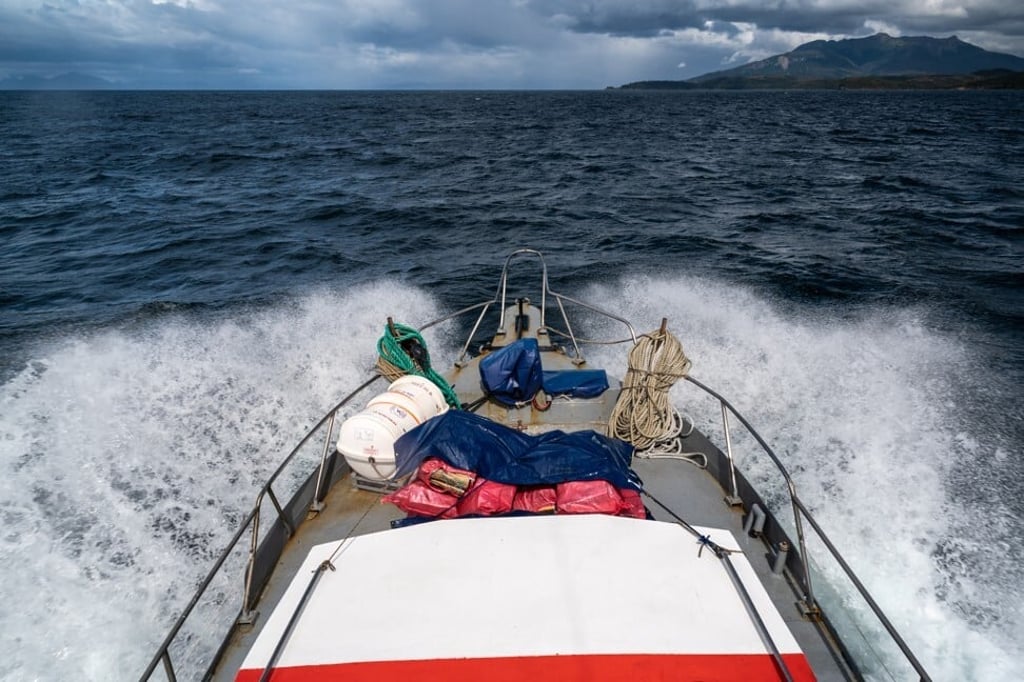
With anywhere from 200,000 to 800,000 boats, some as far afield as Argentina, China is unmatched in the size and reach of its fishing armada. Fuelled primarily by government subsidies, its growth and activities have largely gone unchecked, in part because China itself has historically had few rules governing fishing operations. The dominance and global ubiquity of this fleet raise broader questions about how, why and at what cost China has put so many boats on the water.