Myth busting: Shenzhen’s sleazy past as short-lived gangster and gambling hub Shum Chun
Before there was Shenzhen there was Shum Chun, a town of casinos, trains, triads and the Celestial King of the South, once known as the Monte Carlo of the East

The great myth of Shenzhen bursting forth from humble fishing village to skyscraping megalopolis has been perpetuated ad nauseam for decades, by earnest politicians, foreign business consultants and lazy journalists alike.
But the truth is more intriguing and, it must be said, far sleazier. Well into the 1930s, Shum Chun, the town that gave Shenzhen its name, was a gangsters’ haven serving risk-hungry Hongkongers pouring across the river that separated the British colony from the mainland into the “Monte Carlo of the East” as they gambled, caroused, cavorted and, perhaps, got rich quick.
Shum Chun welcomed all comers, so long as they spent. In an article dated October 23, 1937 in Canadian newspaper The Leader-Post, Hong Kong journalist and regular visitor George Chow noted at any given roulette table, “Britons, Americans, Frenchmen, Italians, Portuguese, Parsees, Hindus, Mexicans, Spaniards, Swedes, Germans, Japanese, Siamese and Chinese all rubbing shoulders together as they watched the little white ball twirling, each hoping it would fall into the slot bearing their number”.
Gambling was the main lure but there were also dance halls with orchestras and taxi dancers, as well as both Western and Chinese restaurants. Everyone felt safe, the local triads having been told by the powers-that-be that casino punters were off-limits when it came to robbery, kidnapping or extortion.
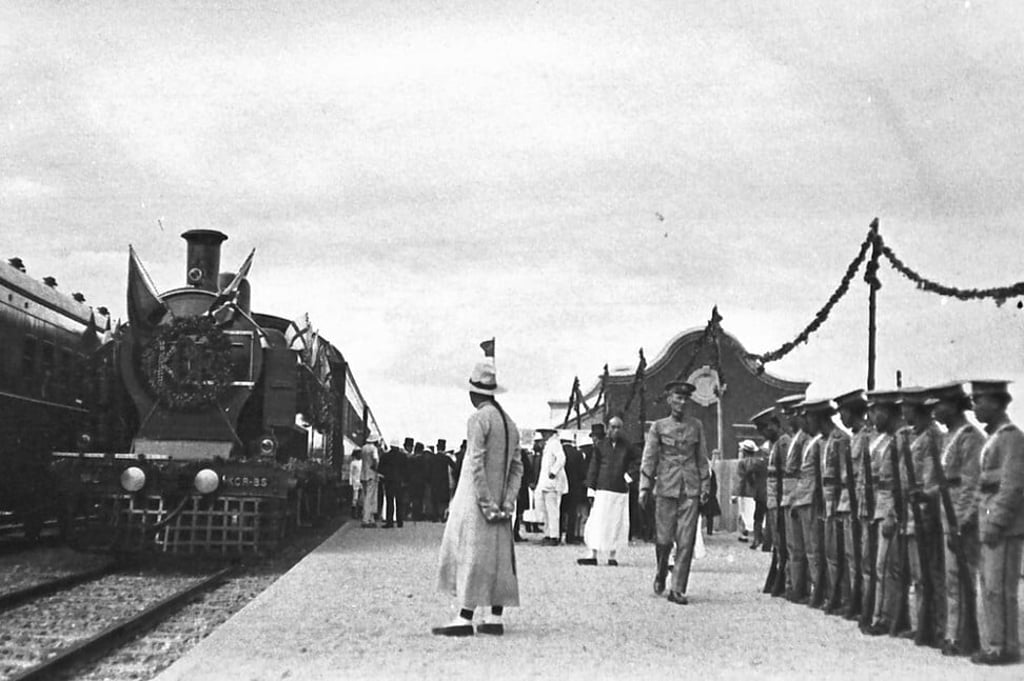
At first only fan-tan was played, but as more Westerners arrived from less vice-friendly Hong Kong, added to the roster were chemin de fer, dice and slot machines. With the regional gambling centre of Macau going strong on the other side of the Pearl River Delta, Shum Chun’s houses of ill repute competed with free cigarettes, cigars and drinks upon entry to the casinos. For high rollers, they refunded first-class train tickets to and from Hong Kong; even the curious or low spending got a free round trip in third class.