The narrative surrounding China’s ‘debt-trap diplomacy’ is a lie that doesn’t stand up to scrutiny
- The idea that Beijing is a bad-faith lender easily swindling recipient countries was pushed relentlessly by the Trump administration. It doesn’t hold up

China, we are told, inveigles poorer countries into taking out loan after loan to build expensive infrastructure that they cannot afford and that will yield few benefits, all with the goal of Beijing eventually taking control of these assets from its struggling borrowers. As states around the world pile on debt to combat Covid-19 and bolster flagging economies, fears of such possible seizures have only amplified.
The United States’ Trump administration pointed to Hambantota to warn of China’s strategic use of debt: in 2018, then vice-president Mike Pence called it “debt-trap diplomacy” – a phrase he used through the last days of the administration – and evidence of China’s military ambitions. Last year, erstwhile US attorney general William Barr raised the case to argue that Beijing is “loading poor countries up with debt, refusing to renegotiate terms, and then taking control of the infrastructure itself”.
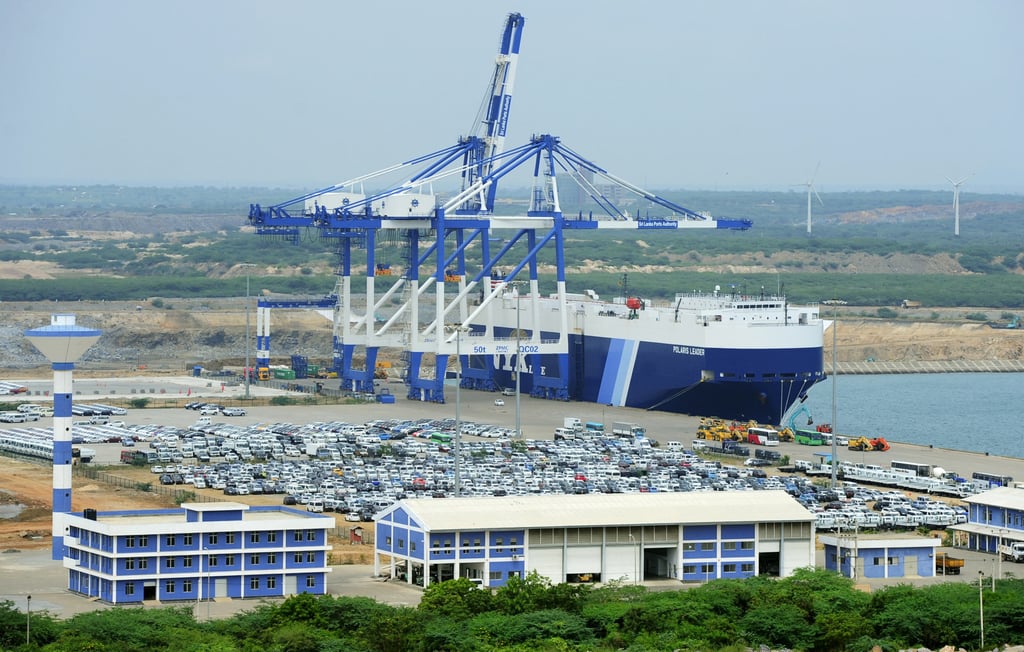
As Michael Ondaatje, one of Sri Lanka’s greatest chroniclers, once said, “In Sri Lanka a well-told lie is worth a thousand facts.” And the debt-trap narrative is just that: a lie, and a powerful one.