‘A history that should not be forgotten’: images of a lost past in a Chinese backwater
- Li Lin was born into a Mao-era farming collective. His Lonely Island photographic series records what’s left of it and of a way of life that’s all but died out

“I was born four days before the Lunar New Year in 1974, during a big snowstorm that blanketed the north,” says Li Lin, a white-haired native of Shandong, eastern China, in his thick northern Chinese accent. “The doctor came to our family house in Gudao,” he says of the collective farm where he grew up.
The initiative was an attempt to turn what Li, speaking from his home in the city of Dongying, describes as a “barren tidal flat, overgrown with weeds and sparsely populated”, into fertile land. There was no way he could have known at the time that his collective-farming birthplace would one day seal his legitimacy in the haut monde contemporary art scene in Beijing.
A photographer who grew into a gallery-level installation artist, Li’s most biographical series to date, titled “Lonely Island”, documents his home region from 2003 to the present. Critic and curator Hai Jie writes, “We see old photos of the Yellow River Farm collected by the artist, as well as documents, letters and objects that belonged to his father.
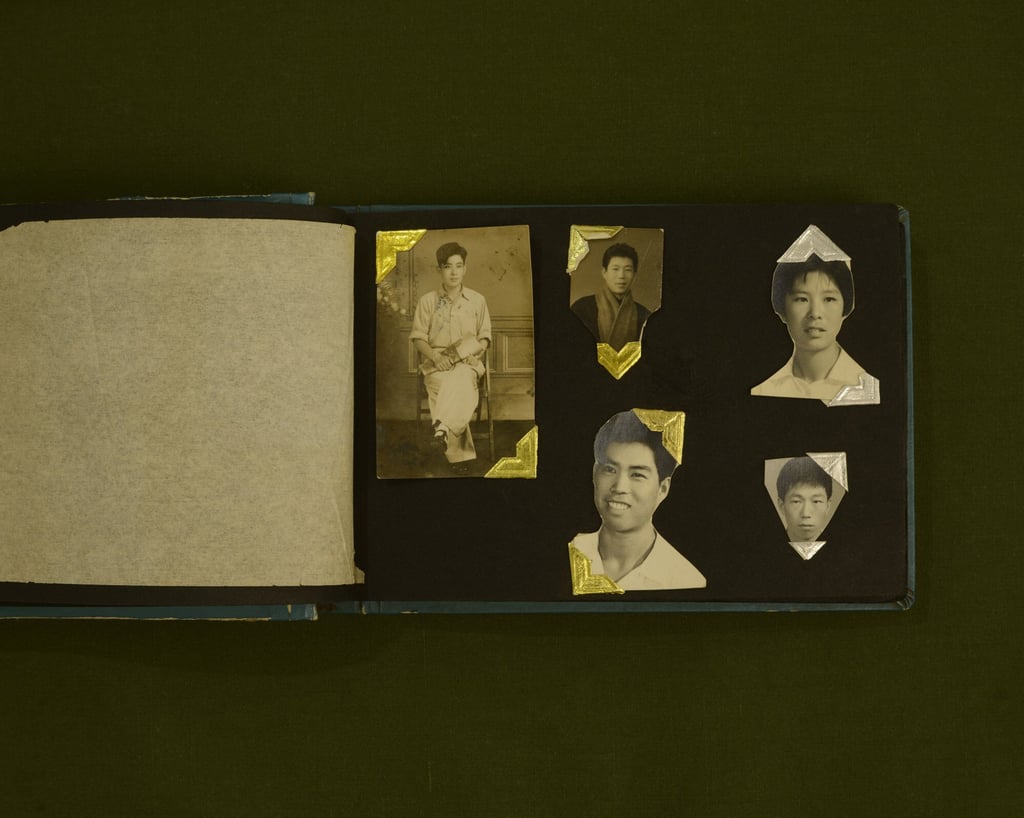
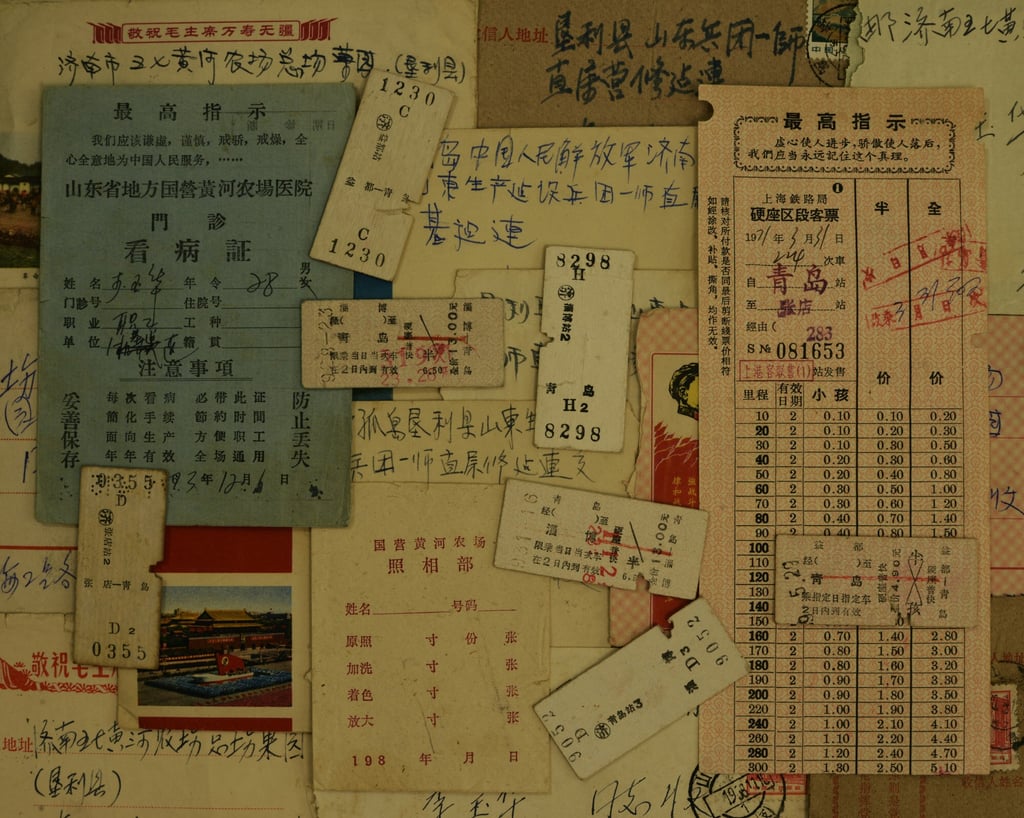
“Memories only survive from these objects because the farm has been demolished. But for Li Lin, the beauty and pain of these memories are intertwined, and we can see the fate of this farm from the fragmented ruins he has collected.”