Photos of China’s vast Inner Mongolia region, and how global capitalism has made inroads, captured by native who finally woke up to his homeland’s beauty
- Hohhot-born Li Wei left Inner Mongolia for Beijing in the mid-1990s, returning more than a decade later with the honed eye of an experienced photographer

The realm “beyond the wall” has long been a place of mystery and trepidation in the Chinese imagination. The steppe has incubated hostile forces since records began. Two millennia ago it was Xiongnu raiding parties that plagued the Han dynasty; a thousand years later Genghis Khan’s hordes appeared on the horizon and preceded to vanquish a cultural golden era, the Southern Song.
As China watcher M.A. Aldrich, author of Ulaanbaatar Beyond Water and Grass (2017), explains from his home in Taiwan, “It was the Mongolians who first incorporated China into their empire rather than vice versa.”
The succeeding Ming dynasty re-established Mongol and Chinese domains roughly separated along the lines of the Great Wall, a division that lasted until another foreign-ruled dynasty assumed the Dragon Throne in 1644, the Qing.
The Manchu royals incrementally brought the tribes of Greater Mongolia into the imperial fold over a century of conquest and allegiances. This made uneasy subjects of the Mongols, and other minorities, with ramifications that echo in our own time, most recently in 2020, when curriculum reform imposed on schools aimed to “transition the language of instruction from Mongolian to Mandarin”, leading to protests throughout ethnic-minority communities scattered across northern China.
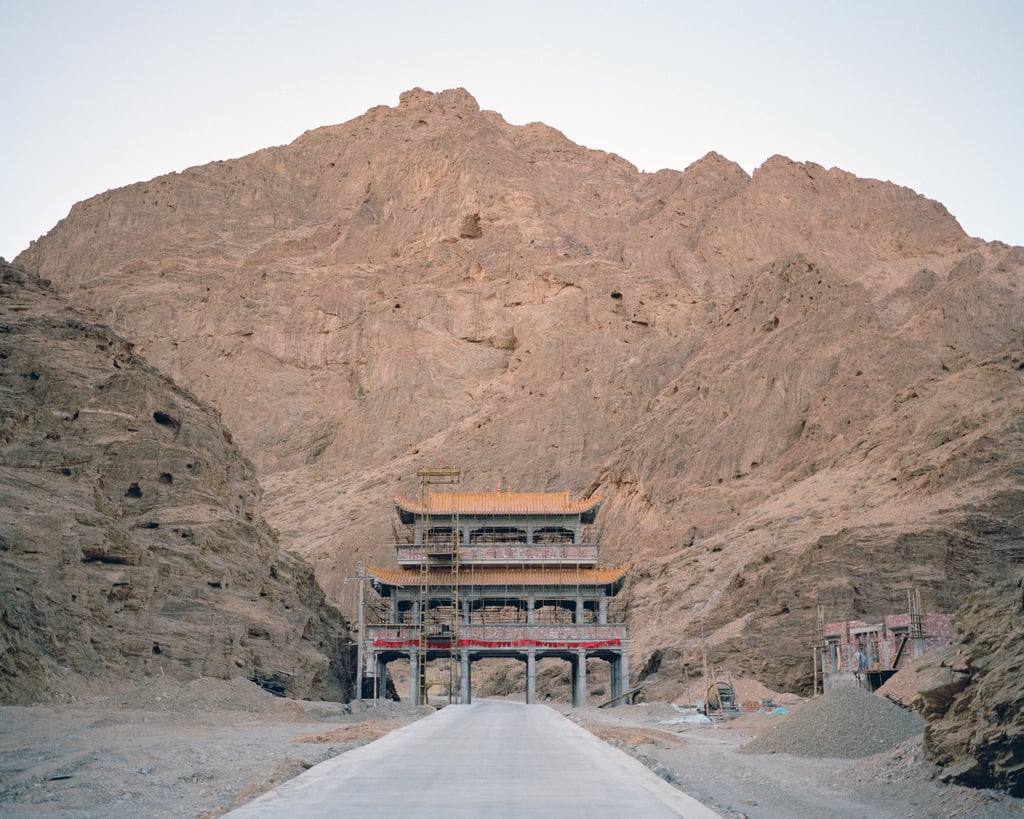
Shaped like a half-moon cupping the underbelly of what mainland Chinese still term “Outer Mongolia” the Inner Mongolia autonomous region is a swathe of steppe real estate retained by the Chinese state after the convoluted wars and revolutions of the early 20th century.
As Aldrich puts it, “When the Qing collapsed in 1911, the tribes in Outer Mongolia opted to become a sovereign state, which really didn’t take its final shape until 1921 with the assistance of the Soviet Army. The tribes in Inner Mongolia felt that their interests were better served by joining the Republic of China. The crooked boundary was the practical result of these decisions.”