The Cold War spy satellite race between the US and the USSR gave each side intel that ‘prevented World War III’
- The intel gathered from their increasingly advanced satellites informed the Americans and the Soviets of mutually assured destruction if the Cold War turned hot

A weather balloon carrying a microfilm rises into the Arctic air. A Soviet Air Force MiG travelling at Mach 2 swoops in to ensnare it. But, gazing upwards from the ice into the freezing sky, Commander James Ferraday squeezes a remote trigger. The film capsule explodes, debris falls to the snow and the two armies facing each other across the frigid waste retreat into the blizzard.
Admittedly this is the denouement to a 1968 movie starring Rock Hudson and Patrick McGoohan, rather than the Red Army facing off with a bunch of Western spooks, but it is probably one of the best endings to a Cold War plot in cinematic history. And more significantly Ice Station Zebra, adapted from a novel written by Alistair MacLean, was based on fact.
Hudson, who played American submarine captain Ferraday, had been dispatched to the North Pole to retrieve a film ejected from a reconnaissance satellite that had come down in the Arctic. He was racing to beat the Soviets, who were also desperate to get hold of it. Back in the 1960s, this stuff was really going on.
Today it’s fair to say that, for better or worse, we are used to being under surveillance, whether from CCTV in the supermarket or our online shopping habits generating any number of algorithms designed to sell us more.
And we appear equally unperturbed knowing that satellites are orbiting our planet recording everything from forest destruction to levels of pollution to military installations. Much of what we know about the Russian invasion of Ukraine is from intelligence gleaned from satellites.
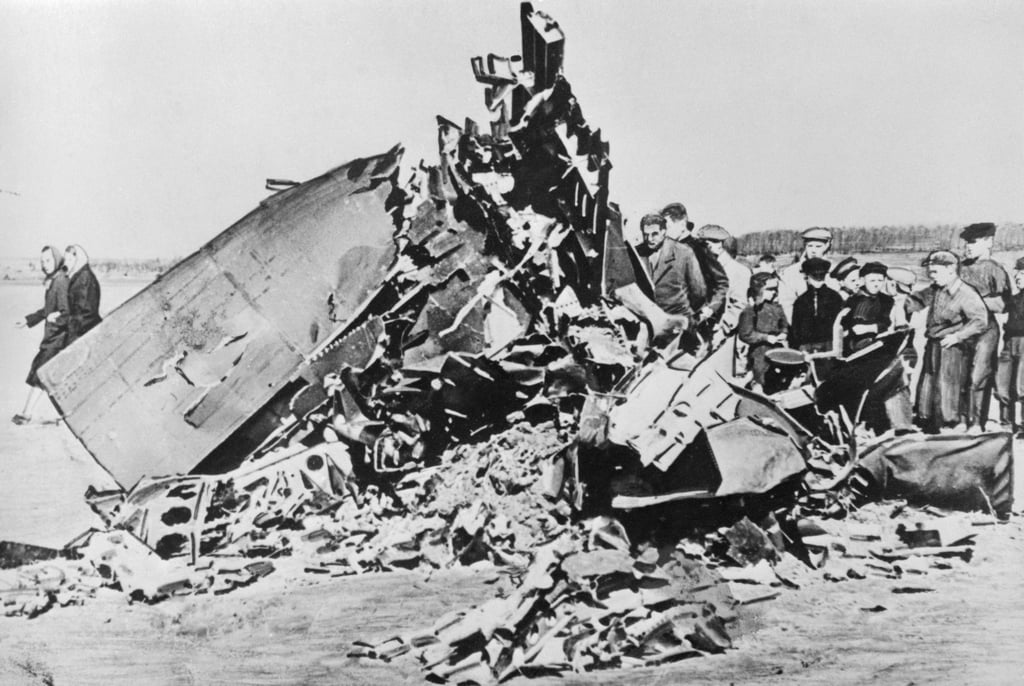
Back in the 1960s, at the height of the superpower Cold War between the United States and the Soviet Union, that was not the case. If you wanted to take a peek at the enemy’s territory you needed to send a high-altitude flight into their airspace, with all the obvious risks involved.