From Mauro Colagreco to Ana Ros, world’s top chefs adapt to climate change by sourcing locally
- As climate change leaves some ingredients unavailable, chefs are shifting from luxury imported ingredients to home-grown, locally sourced and heritage produce

It was after calling an ambulance for the fifth time that chef Ana Roš knew the time had come. As another guest was carried out on a stretcher, she said to herself, “I’m killing people here.”
She had already “saved the cheese” a few years earlier by putting air conditioning in the cellar she had dug out of the mountainside to age the sweet, slightly spicy Tolminc cheese of the region. Last May, the temperature inside her cellar was 10 degrees Celsius higher than it should have been.
Roš grows almost everything she serves at Hiša Franko, which is currently ranked No 34 in the World’s 50 Best Restaurants list, in her high-altitude gardens.
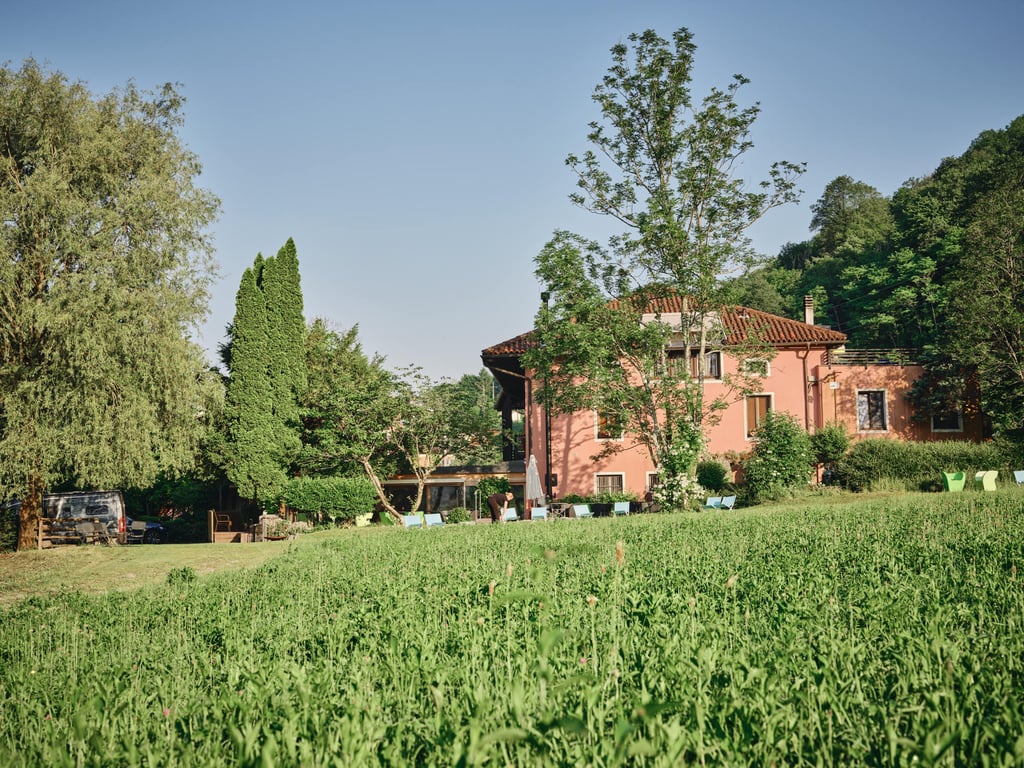
The changes here have been drastic, too, going from a cool climate “lovage and tarragon” garden to one “best suited for rosemary and basil”, which thrive in higher temperatures of around 22 to 32 degrees Celsius.
“It used to rain a lot here. We understand now what a blessing the rain is,” says Roš. “We can see the changes especially clearly in the past two or three years.