Advertisement
PostMag
Life.Culture.Discovery.
Old Hong Kong
MagazinesPostMag
Jason Wordie

Then & Now | Female infanticide: the dark side of China’s obsession with luck

The Chinese fixation with picking an “auspicious” time for births is well known but there was also a time when it was culturally acceptable to dispose of a child – especially a girl – likely to bring bad luck on the family
Reading Time:3 minutes
Why you can trust SCMP
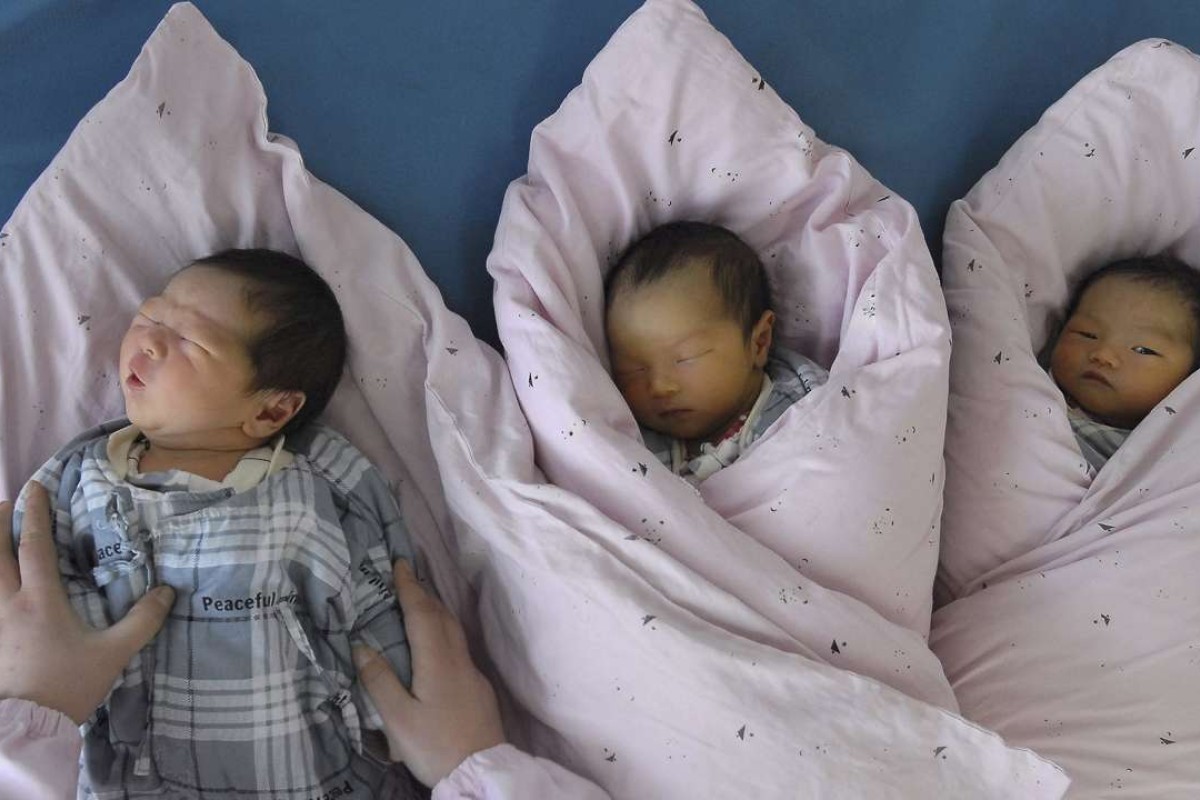
Arrival dates for newborns are all-important in Chinese culture. Picture: Reuters

Shakespeare’s oft-quoted line, “How much sharper than a serpent’s tooth it is to have a thankless child,” rings sadly true in many families. From time immemorial, wayward children the world over have set many an exasperated parent ranting like King Lear on the heath, and Hong Kong is no exception.

Across the Western world, the advance of scientific thought has meant most people now realise a secure early environment in a family with adequate resources, combined with abundant love and affection – “nurture”, in short – profoundly influences what kind of adult emerges from the chrysalis of childhood and adolescence. Blaming “nature” for unfortunate outcomes – “bad seed” – simply passes the buck of responsibility on to the cosmos.

Advertisement
In traditional Chinese society, however, the concept that one’s upbringing could be a cause for waywardness was dismissed, both by parents and other family members, as deeply unfilial. To acknowledge – much less accept – the key role that nurture plays implies inadequate parenting skills or dysfunctional family relationships. Any poor fit that developed between child and family, therefore, must have been the fault of both child – as a soul reborn – and the universe; the actions and temperaments of adults connected to a child could not possibly have had any bearing on how they turned out.
A Hong Kong couple hold their newborn, one of the few babies who managed to time their entry into the world on August 8, 1988. The 8-8-88 date is considered auspicious on the Chinese calendar. Picture: SCMP
Chinese attitudes to fate’s subtle work­ings also come into play. From the horos­copes of both parents, soothsayers can determine that a particular date would be inauspicious for a child’s birth, and that such a child would be the cause of untold grief and suffering later on.
Advertisement

Proper consultation of horoscopes for expectant parents and the divining of aus­picious dates for birth remain important in contemporary Hong Kong. The local maternity hospital industry still astutely caters for – or, some would suggest, profit­ably panders to – traditional mindsets. Caesarean sections can be easily arranged to coincide with the most lucky date and time around natural term – for the usual fees, of course. In Hong Kong in 2016, modern medical tech­nology ensures that age-old customs can still be accommodated.

Advertisement
Select Voice
Choose your listening speed
Get through articles 2x faster
1.25x
250 WPM
Slow
Average
Fast
1.25x