
ReflectionsTyphoon, hurricane – how blind men forecast changing winds in ancient China
During the Spring and Autumn Period, blind men – who were believed to have heightened sensory perception – were employed to predict changes in the wind

Having spent most of my life in a country unmolested by cataclysms other than slight tremors triggered occasionally by earthquakes in the Indonesian archipelago, it was with a mixture of awe and dread that I experienced the onslaught of Typhoon York just days after I arrived in Hong Kong, in September 1999.
It was my first typhoon and what a typhoon it was! York was the first No 10 signal typhoon since 1983.
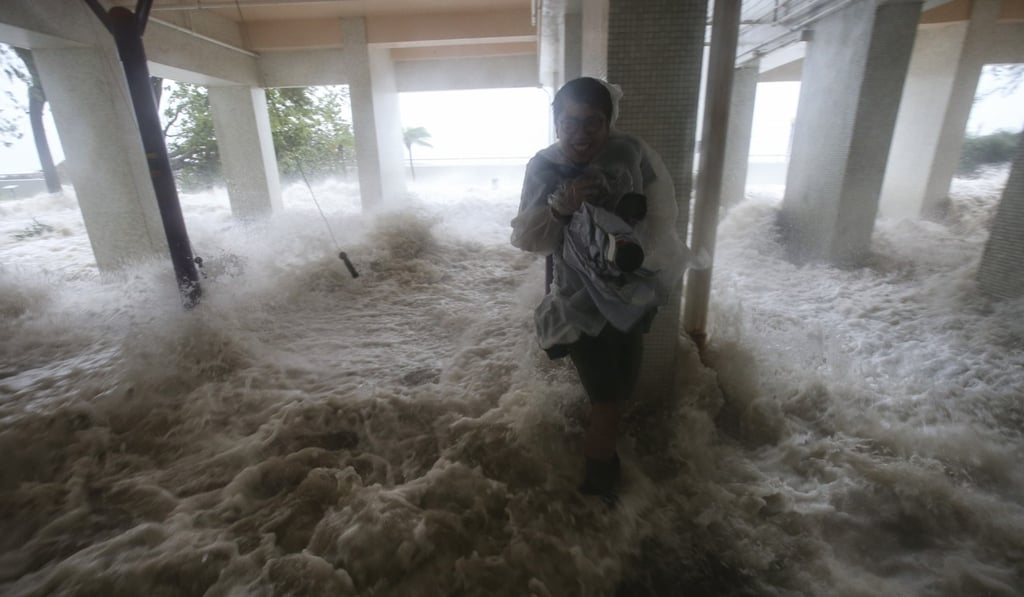
A few weeks ago, another No 10 typhoon hit Hong Kong: Hato, which caused a great deal of damage in the city and beyond. At the time of writing, the upended trees near my village have yet to be cleared.
Over in America, the states of Texas and Florida have been inundated by hurricanes Harvey and Irma, which arrived within weeks of each other, and some Caribbean islands have been all but destroyed.
Like most peoples in pre-enlightened times, the Chinese believed that wind was caused by gods. Worshipping wind deities and making offerings to them notwithstanding, there was also a proto-scientific understanding of seasonal winds, the weather conditions they augured and, most importantly, the effects they had on agriculture.