ReflectionsThe best day to cast an evil spell on your enemies? According to the traditional Chinese calendar, that would be March 6
Considering the strides made in meteorology, the lunisolar calendar may not be relevant any more

At the time of writing, it was still warm enough for many of us to go around in T-shirts and shorts. Some say that is the result of global warming, but others argue that prolonged hot spells and Indian summers are not modern phenomena, pointing to many instances of erratic climates in history.
I know little about climate science but I do know that the traditional Chinese solar terms are not reliable barometers of when I should shake out my jackets and pullovers. The traditional lunisolar calendar devised by the Chinese, and adopted by their neighbours, divides the year into 24 solar terms (jiéqì in Mandarin; sekki, jeolgi and tiet khi in Japanese, Korean and Vietnamese, respectively), the transition points matching astronomical events or natural phenomena.
Pre-modern agrarian societies used them to mark climatic milestones in the calendar year, but their necessity and relevance in modern times is questionable given the great strides we have made in meteorology.
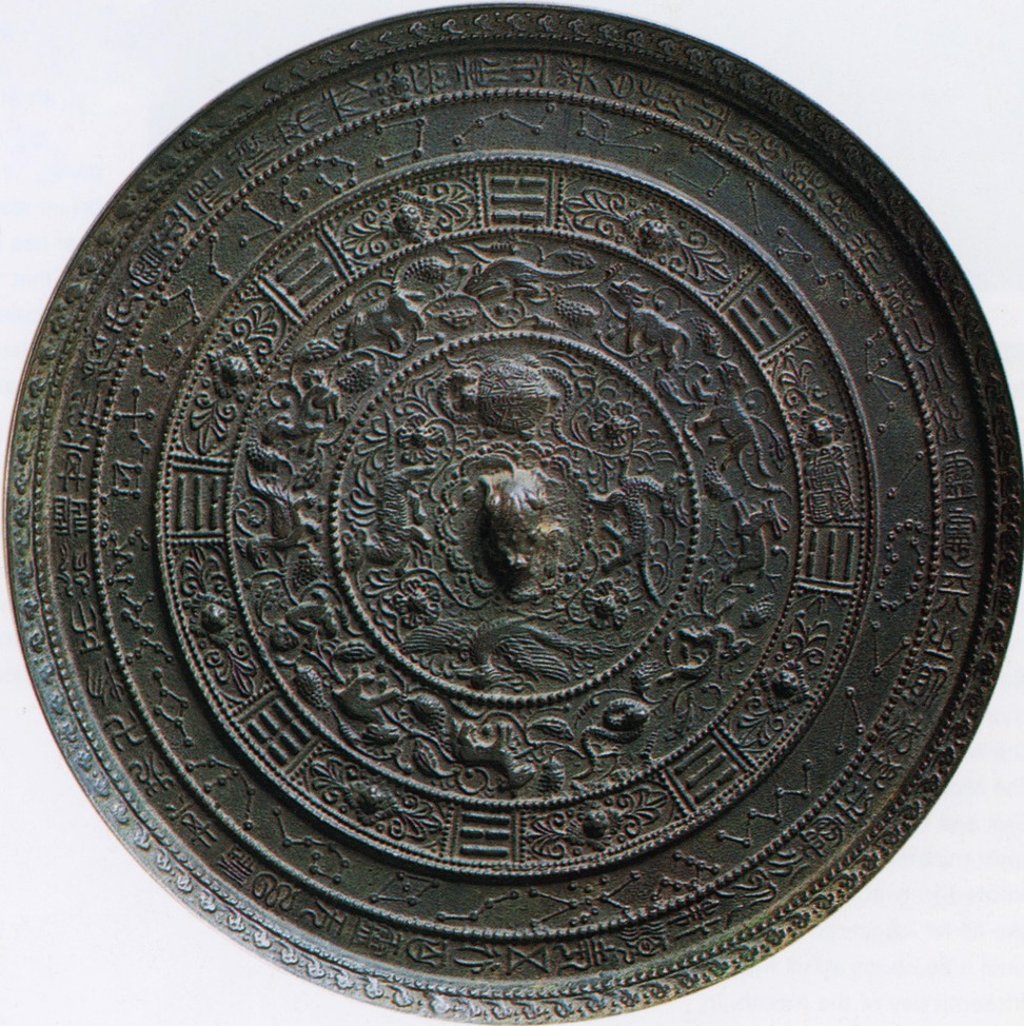
We have just experienced the solar incidences lidong (“winter begins”) and xiaoxue (“light snow”), which fell on November 7 and 22, respectively, and the next one, on December 7, is daxue (“heavy snow”). The actual temperatures we have experienced, however, do not square with the glacial nomenclatures of the solar terms.