
Reflections | As Zimbabwe’s Mugabe is ousted in a military coup, a look at how one Chinese emperor survived a purge
When faced with an armed revolt, Emperor Jing, of the Western Han dynasty, escaped by sacrificing his trusted censor-in-chief Chao Cuo. But other rulers were not as lucky

Zimbabwe’s army recently staged a coup, effectively removing president Robert Mugabe from power. Explaining its actions, the military issued a statement: “We are only targeting criminals around [Mugabe] who are committing crimes that are causing social and economic suffering in the country in order to bring them to justice.”
These words would have been familiar to many in China’s past because rebels and coup leaders throughout history, to provide a semblance of legitimacy to their revolt, would habitually raise the clarion call to “purge those who are by the ruler’s side” (qing jun ce).
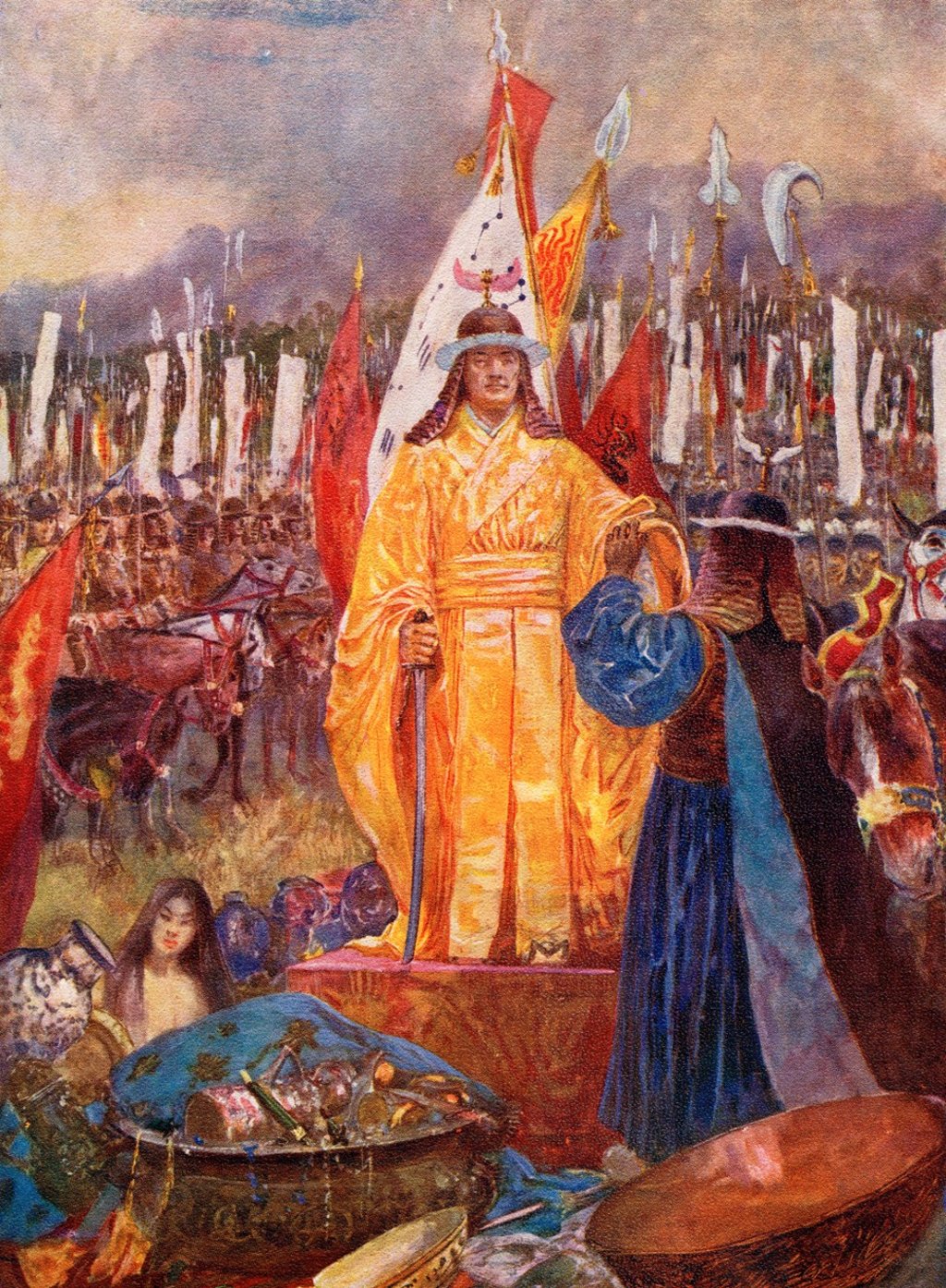
Chao Cuo, who was appointed to the powerful position of censor-in-chief, proposed measures to rescind the powers of the kings, who, at their height, numbered several dozen. While his heart was in the right place, Chao pursued his policy too aggressively and impatiently, and he lacked the political acumen to manoeuvre among his foes.
The pushback inevitably came in the form of the Rebellion of the Seven States, in 154BC, which aimed to “purge those who are by the ruler’s side”, meaning Chao. Faced with an armed revolt of a powerful alliance of seven of his imperial cousins, Emperor Jing had no choice but to execute Chao.