Advertisement
PostMag
Life.Culture.Discovery.
Lessons from China's history
MagazinesPostMag
Wee Kek Koon

Reflections | China’s long and distinguished history of rule-breaking emperors

The last emperor, Puyi, was forced from his throne, but other monarchs have gone much more willingly

Reading Time:1 minute
Why you can trust SCMP
Crown Prince Akihito (right; Japan’s current emperor) with his father, Emperor Hirohito, and mother, Empress Kojun, in the 1950s. Picture: AFP
The Japanese government has announced that Emperor Akihito will abdicate on April 30, 2019, and his son, Crown Prince Naruhito, will ascend the throne the following day, on May 1. Akihito will be the first Japanese emperor to abdicate since 1817.

Imperial abdications are not uncommon in Japanese history, with emperors retiring or being forced to retire for various reasons. Japan’s emperors have usually been figureheads, with real power in the hands of politicians, noblemen and military commanders. More ambitious emperors would relinquish their thrones, freeing themselves from their ceremonial role to become politically active as abdicated emperors (daijo tenno) in a process unique to Japan.
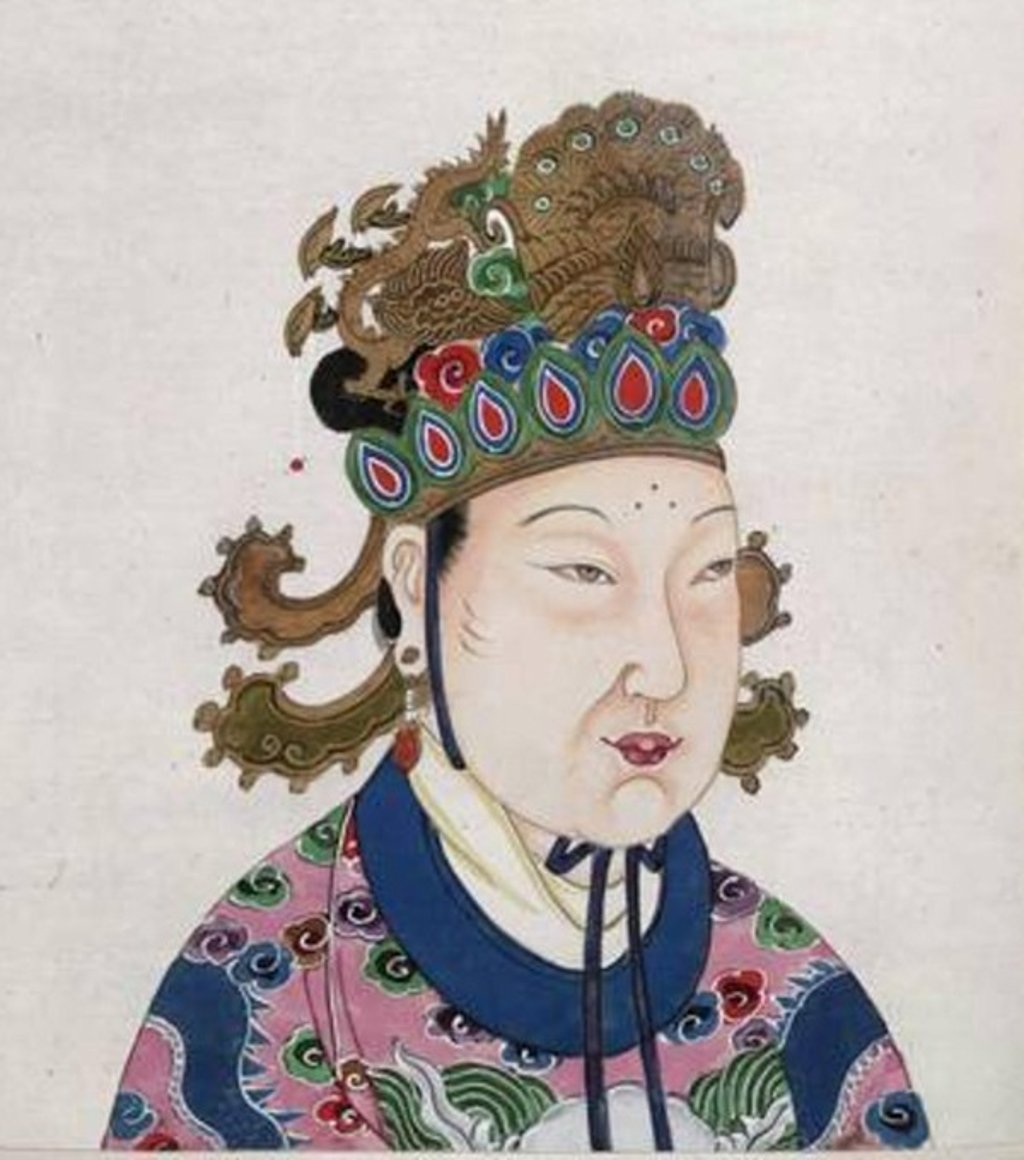
Empress Wu Zetian. Picture: Alamy
There were fewer abdications among Chinese rulers, and many occurred in the states and king­doms of a divided China. Monarchs of major dynasties who abdicated include ailing 82-year-old Empress Wu Zetian, who was forced to give the throne back to her son in a palace coup in AD705.
Advertisement

Emperor Huizong, of the Northern Song dynasty, preferred dabbling in the arts and Taoism to dealing with the domestic strife and foreign inva­sions, and divested the title of emperor to his son in 1125.

Advertisement
Advertisement
Select Voice
Choose your listening speed
Get through articles 2x faster
1.25x
250 WPM
Slow
Average
Fast
1.25x