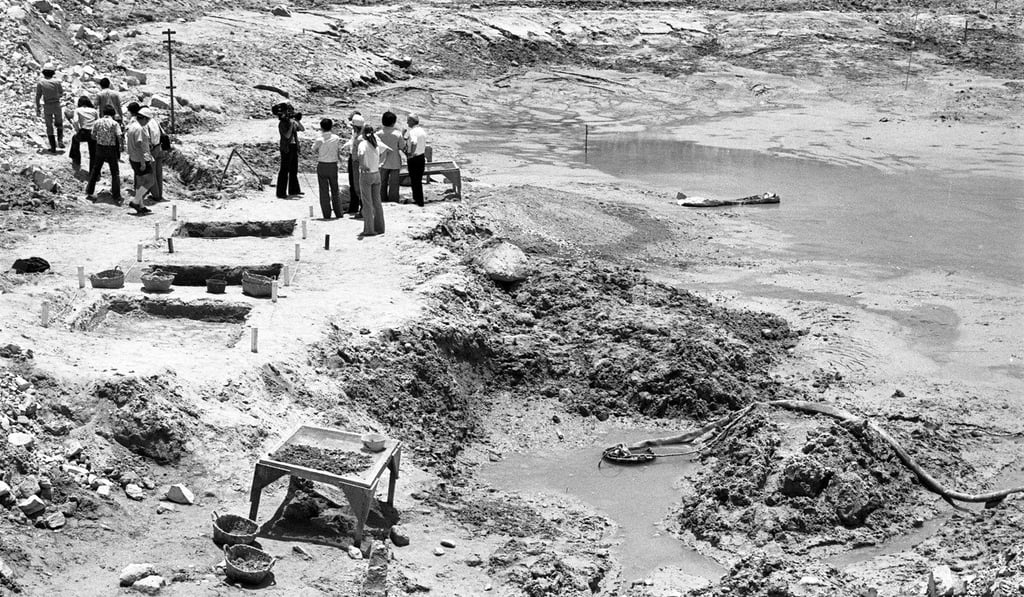
Why Hong Kong built reservoir to double its water storage, with rationing still a recent memory
A response to rising demand for water from a growing population and an increase in homes with running water, High Island Reservoir was opened in 1978

“Huge new reservoir planned for HK,” ran the headline in the South China Morning Post on July 25, 1969. “The reservoir, estimated to cost $750 million, would be three times deeper than the Plover Cove reservoir in Tolo Harbour. It would be formed by building dams at the east and west ends of the narrow sea passage separating High Island from the south coast of the Sai Kung Peninsula.”
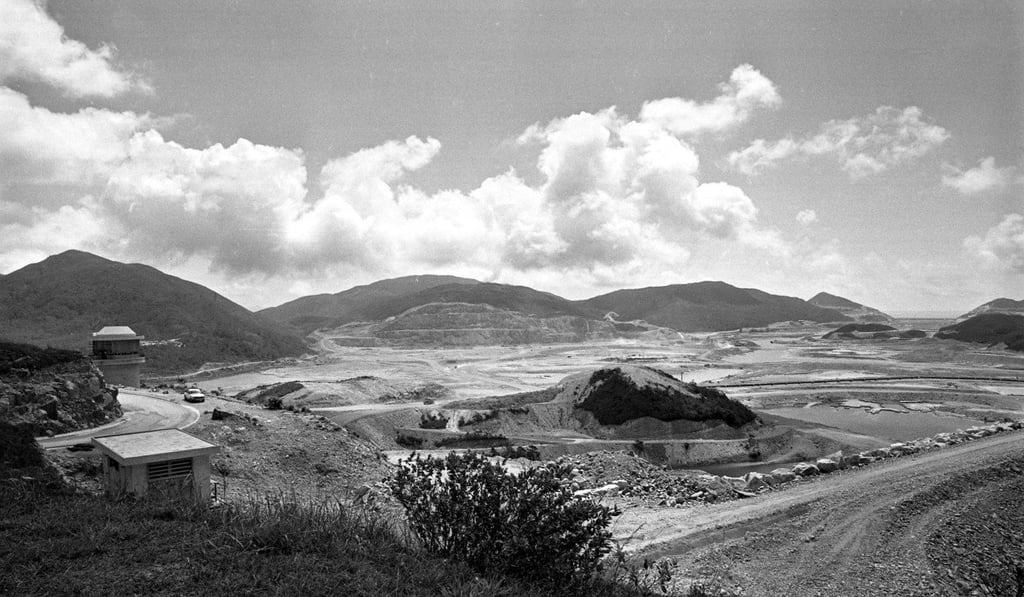
Water rationing was a recent reality and water consumption was rising, “less because of the growth of population […] than because of the proliferation of taps in residential buildings”, the Post reported on May 3, 1971. High Island Reservoir promised to almost double Hong Kong’s water storage with its 60-million-gallon capacity.
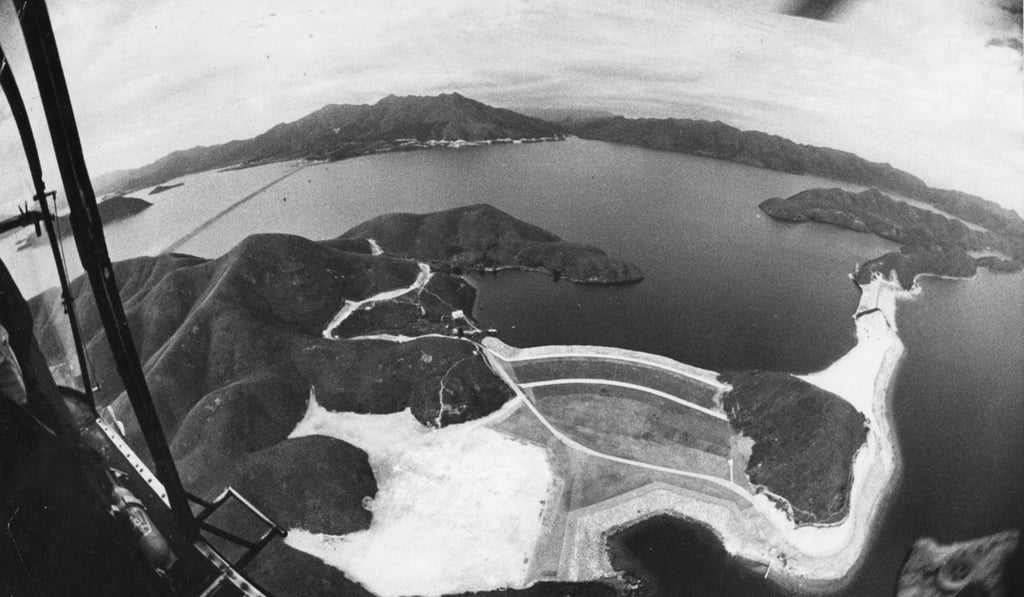
“Government yesterday handed over two contracts worth $298 million to an international consortium for the construction of the Eastern and Western tunnels [linking the reservoir to the supply network],” reported the Post on December 11, 1971.