ReflectionsThe two Wongs: how Chinese ancestral hall names help differentiate surnames
When surnames are pronounced the same way but mean completely different things, prefixes are used to tell them apart

Say I made a restaurant reservation under my name, which is pronounced “Wong” in Cantonese. Almost inevitably, I’d have to qualify it with a prefix – “Kong-ha Wong” – to differentiate between the “Wong” (which means “yellow”) that’s my surname and the “Wong” that’s pronounced exactly the same way but is the word for “king”. There would be no such problem in a Mandarin-speaking milieu as the two surnames are pronounced differently – Huang and Wang, respectively.
So, what is this “Kong-ha” that people like me add to our surname when we say it in Cantonese?
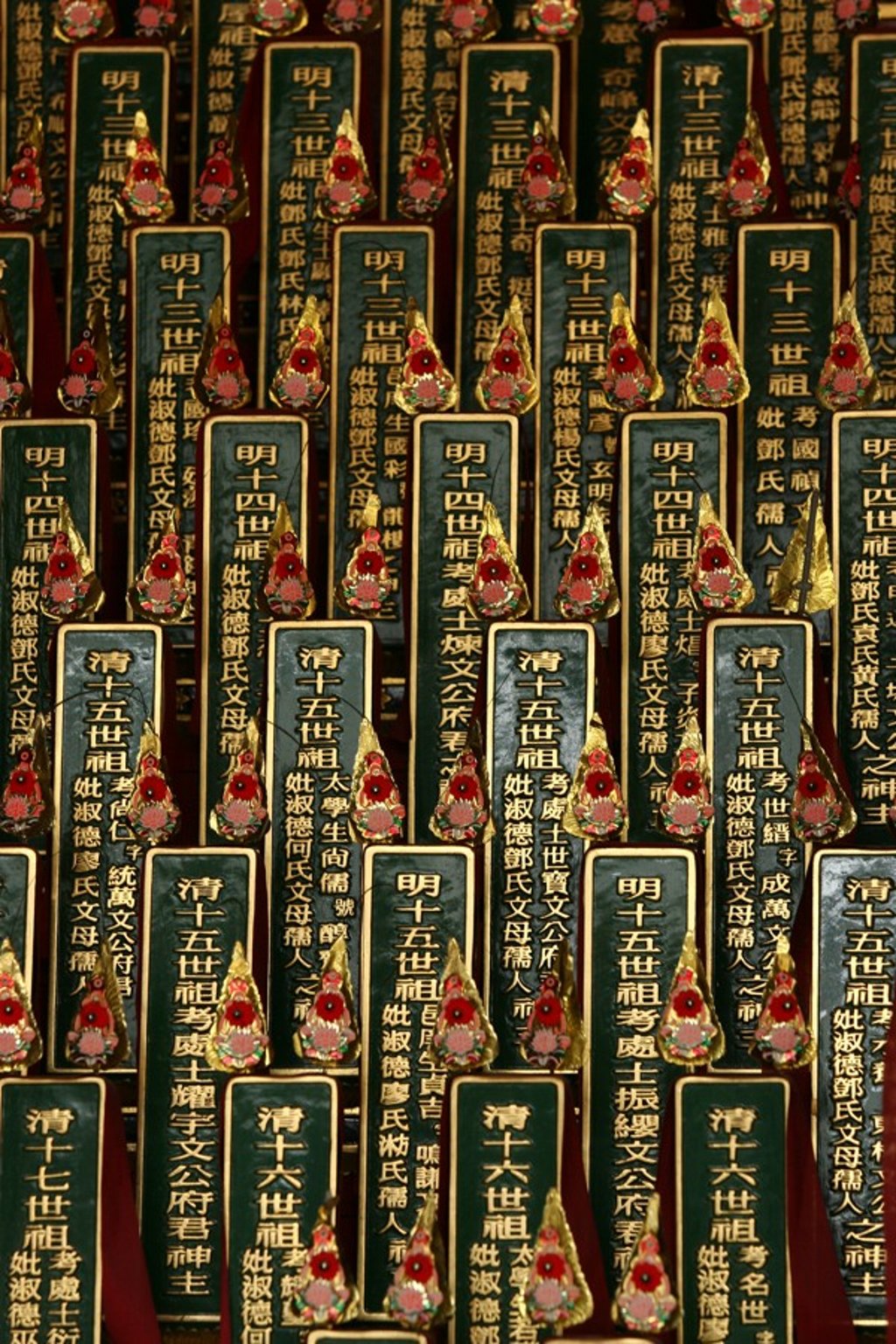
A clan temple name could be shared by several surnames, but people with the same surname could have different clan temple names, depending on the geographic origins of their ancestors. Chinese choronyms such as Jiangxia, Yingchuan (for people whose surname is Chen, or Chan in Cantonese) and Xihe (Lin or Lam) are going the way of the dodo.
Few Chinese today know or care about clan temple names – they are quaint historical relics that occasionally intrude into the modern world – when one needs to make a reservation, for instance.