ReflectionsChing Ming Festival and its ‘free love’ origins – it wasn’t always a day for the dead
Now known as a day for remembering ancestors, it began as a celebration of spring’s arrival before merging with two festivals that shaped its current significance

The conversation took a morbid turn and we started talking about how we would like our remains deposed of after we died. Having lived in two densely populated cities all my life, the possibility of a burial has never crossed my mind. Land, especially what little there is in Singapore or Hong Kong, should be reserved for the living, not the dead.
The other option is cremation, but ashes in an urn interned at a columbarium does not appeal to me either. Besides, it is quite likely that most physical memorials that contain the remains of the dead, be they graves or niches, would be neglected eventually. For example, if my cremated remains were to be entombed in a niche after I die, my niece and nephew will probably visit my little cubbyhole every year on the anniversary of my death or during the Ching Ming Festival (which falls on April 5 this year), but I am sure their children and their children’s children will not do so because I will be a total stranger to them.
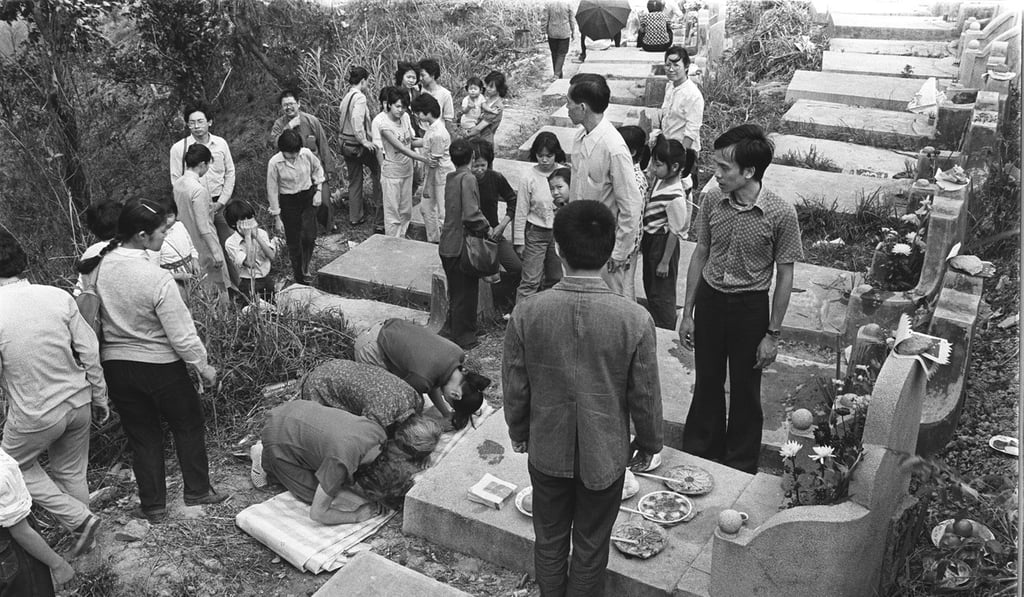
Even if one had grandchildren, great-grandchildren, and so on, there is no guarantee – certainly not these days – that they will come every Ching Ming (Qingming in Pinyin) to pay their respects to a relative whom they don’t even remember or know. In time, the grave or niche will eventually be razed and the remains and no one then would really care.
My dim view of future descendants notwithstanding, Qingming is still a major event for many people in the Greater China Region and in ethnic Chinese communities elsewhere. It is a time when people remember the dead members of their family, and the form it takes can range from the very elaborate, with food, incense and paper offerings going up in flames at graves or niches, to the simplest gestures like lighting incense and offering flowers before an ancestor’s spirit tablet in the privacy of one’s home or saying a prayer. Nowadays, one can even offer Qingming prayers on the internet.