ReflectionsFinding Cao Cao: discovery of remains will help put human face on a vilified Chinese general
Warlord who reduced a Chinese emperor to a sovereign in name only had a bad rap from historians who focused more on his malevolence than his military might; the discovery of his final resting place will help his rehabilitation

In recent exciting news, archaeologists involved in the excavation of a burial site in a village in Henan province are now convinced that the remains of an adult male discovered in 2016-17 are those of Cao Cao. But who was Cao Cao?
A note on pronunciation before we proceed. In pinyin, the consonant “c” approximates the English “ts” in “cats” but strongly aspirated; it is not a hard “c”. Thus, Cao Cao is not pronounced “cow cow” but “ts’ao ts’ao”.
As China stumbled from the second century into the third, the 400-year-old Han empire (206BC-AD220), considered by many to be China’s first golden age, was in its death throes. A weak and corrupt central government resulted in local governors and military commanders carving out their own fiefdoms away from the imperial capital. It was a time for brave and ambitious men to embark on heroic enterprises, and one of these men was Cao Cao (AD155–220).
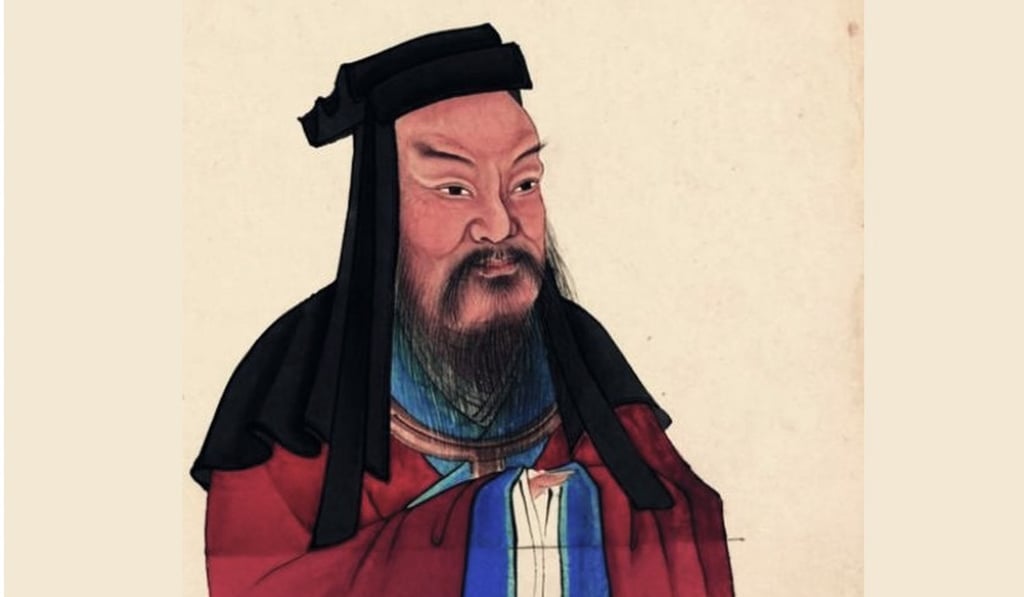
Cao Cao was appointed a court gentleman at the age of 20, later making a name for himself for his role in forming a military alliance against Dong Zhuo, a warlord who tyrannised the nine-year-old Emperor Xian. But it was his suppression of a large army of Yellow Turban rebels and the recruitment of their best troops in 192 that made him a force to be reckoned with.