Language MattersHow the English language came to terms with Japanese food, from sake to tempura
The popular Asian cuisine lends a number of dish-inspired words to the international lexicon

It is said that, after Cantonese, the most popular restaurants in Hong Kong are Japanese. We have our favourite sushi bars and look out for new izakayas. And we have in our repertoire words for an impressive range of Japanese food and drink: in the Oxford English Dictionary, of the 525 entries of Japanese origin, 47 are related to consumables. The names of some of these Japanese staples have interesting etymologies.
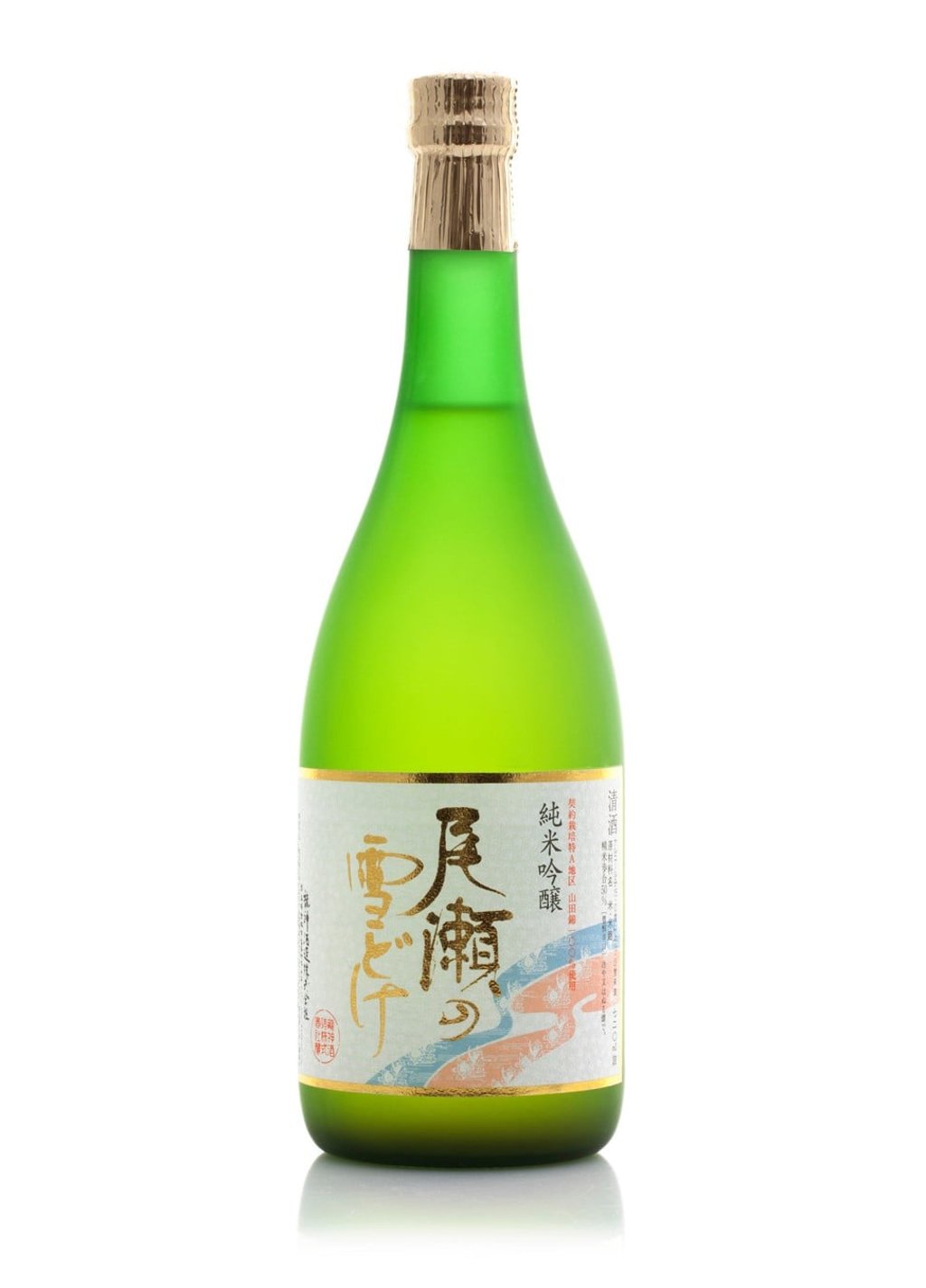
The earliest mentions of “sake” in English (in a 1687 account, as the Japanese people’s “ordinary drink”, and in the Encyclopaedia Britannica in 1797) define it as a fermented liquor made of rice, a specification that the word maintains in English.
The word sake in Japanese, though, encompasses alcoholic beverages in general. When referring to what English defines as sake, Japanese say nihonshu, literally meaning “Japanese sake”, while on bottle labels, one sees seishu, the legal term for the drink.
This is an instance of semantic narrowing, which often occurs with words borrowed from another language.