How Taiwan saw funeral of Sun Yat-Sen’s widow as political power play by China
The middle sister of famous Shanghainese trio the Soong sisters, Soong Chingling was the first woman to become vice-president of the People’s Republic of China

“Death in Peking of Soong Chingling”, ran the headline in the South China Morning Post on May 30, 1981, reporting that the widow of revolutionary leader Sun Yat-sen had died the previous day, aged 88.
“Soong Chingling […] had been close to the storm centres of Chinese revolution and power for 60 years,” the Post reported. “She was one of the famous Soong sisters. Her younger sister, Soong Mei-ling, married nationalist Chinese leader Chiang Kai-shek and her elder sister, Soong Ai-ling, married H. H. Kung, a prominent Chinese nationalist politician.”
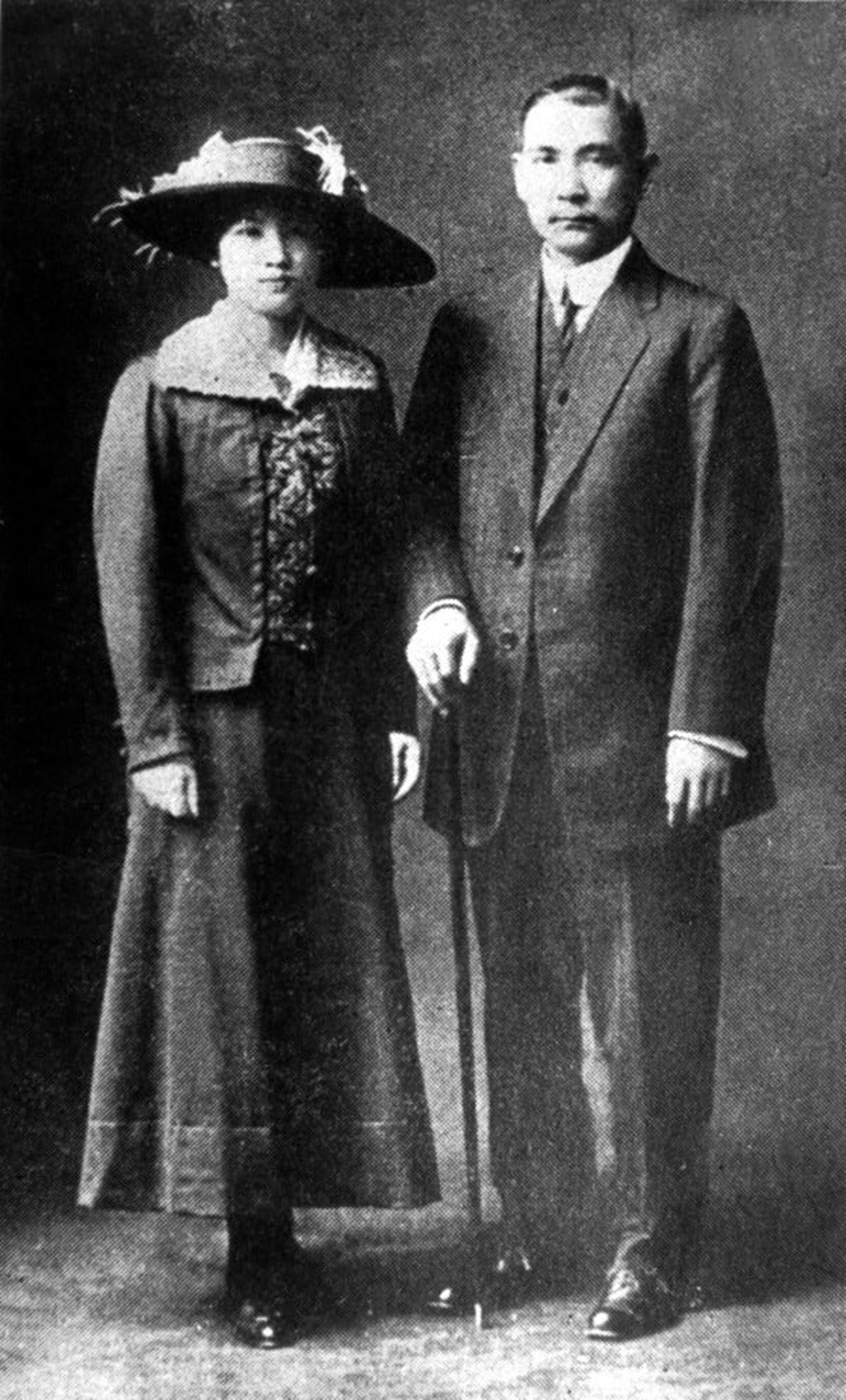
During the Sino-Japanese war (1937-45),she became president of the China Defence League and, when the Japanese attacked Hong Kong, in 1941, she was on one of the last planes to leave the colony, spending most of the war in Chongqing, China’s wartime capital. She broke step with her family in 1949, when Chiang’s nationalists fled the mainland, choosing to remain behind.
In 1959, she became the first woman and non-communist to rise to the second highest state post in China, when she was appointed a vice-chairman of the republic.