Then & NowHong Kong’s shady past of antibiotic smuggling – the post-war penicillin racket
How black-marketeers made tidy fortunes by selling adulterated pharmaceuticals to China in the 1950s

From its grubby 19th-century beginnings, Hong Kong has been a natural home for rackets, scams and shoddy knock-offs. Unlovely business activities inevitably evolved in a place, and among people, on the world’s economic margins. One of the most profitable post-war schemes involved illicit penicillin.
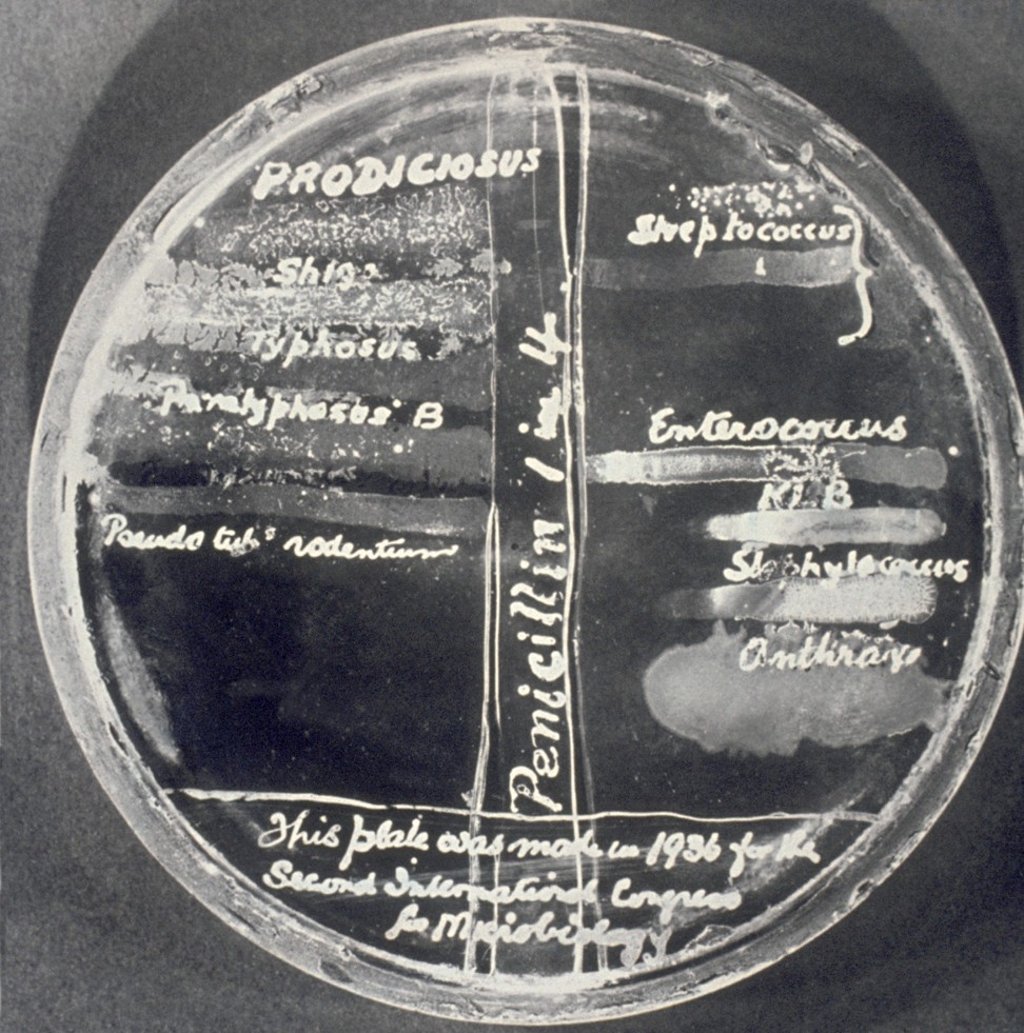
First identified in 1928 by Scottish scientist Alexander Fleming, and further developed by Australian pharmacologist Howard Florey and his team of researchers throughout the 1930s, penicillin’s antibiotic properties were one of the 20th century’s great discoveries. Penicillin’s medicinal use, accelerated by wartime demands after its successful introduction to human patients in 1942, transformed the world.
“Wonder drugs”, including penicillin, and other early antibiotics such as streptomycin, were life-saving treatments for septicaemia, tuberculosis, meningitis and other infections. Antibiotic-resistant disease strains, now a major threat to public health, were unknown, these drugs having been developed and introduced only a few years earlier.
Graham Greene’s screenplay The Third Man, set in Vienna in 1948, bases its dramatic plot around the post-war penicillin racket. In the film, the four occupying forces in the city (Britain, France, the United States and the Soviet Union) had excess supplies of the drug, owing to wartime overproduction.
Amoral black marketeer Harry Lime, superbly characterised by Orson Welles, had astutely spotted a commercial opening for the resale of black-market antibiotics to desperate patients. Active ingredients were adulterated – much like cocaine and heroin today – to further enhance already eye-watering profit margins and often rendering the black-market penicillin nearly useless.
In the late ’40s, as China imploded into civil war, a similar black market for penicillin evolved in Shanghai. Most drug supplies originated from the United Nations Relief and Rehabilitation Administration (UNRRA), which operated from Shanghai in 1945-47. China was the largest single recipient of UNRRA aid.