ReflectionsWhere Britain imposed English on its colonies, in ancient China conquerors learned the language of the vanquished
The ruling class often adapted their language, dress and even names to those they had overcome

The English language was bequeathed to Hong Kong and Singapore by Britain and it is accorded official status in both, but this is where the similarities end.
In Singapore, more than 70 per cent of the population is ethnic Chinese while Malays, Indians and others make up the rest. It was against this diverse racial and linguistic backdrop that English, perceived to be neutral, became the common language.
English does not serve a similar purpose in Hong Kong, where an overwhelming 92 per cent of the population is ethnic Chinese and Cantonese is the dominant tongue. However, Article 9 of the Basic Law states that “in addition to the Chinese language, English may also be used as an official language”. This is not so much a nod to the existence of the other 8 per cent of the population (many of whom do not speak English as their first language), but a conscious protestation of Hong Kong’s raison d’être as an “international city”, distinct from the rest of China.
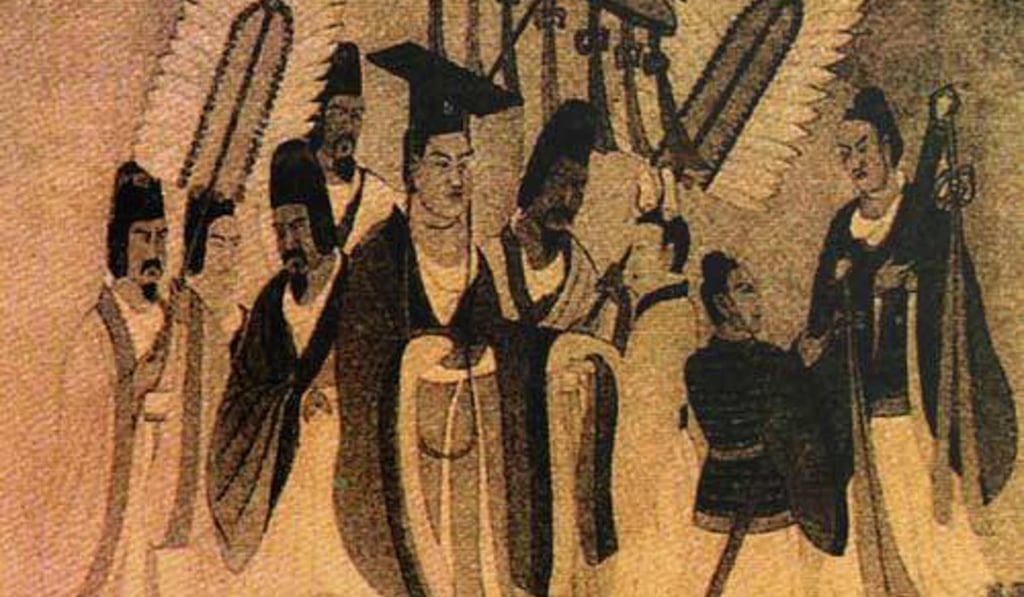
While Singapore and Hong Kong place the language of their former rulers on a pedestal, the reverse was usually true in China’s past, with conquerors adopting the language of the conquered. During the Northern Wei dynasty, whose ruling Xianbei people hailed from present-day Siberia, the process was written in policy and expedited.