ReflectionsWhen being a crazy rich Asian could be dangerous – in imperial China
Once one of China’s richest men, 14th century merchant Shen Wansan learned the hard way that flashing the cash could have life-threatening implications

My main complaint with Crazy Rich Asians is the blatant product placement in the film. But instead of the usual cars and designer watches, Singapore was the product being shamelessly hawked.
The movie itself has already been deconstructed to death, so I will not offer another outraged commentary of what is essentially a fluffy, feel-good romantic comedy. Its characters – whose families had acquired their enormous fortunes through mercantile enterprise – wear their extravagance and ostentation as a matter of course. In imperial China, being a “crazy rich” merchant could be dangerous.
Unlike in modern China, where billionaire entrepreneurs are lionised and emulated, pre-modern Chinese society looked down on merchants. Then, scholars, farmers and artisans were considered worthier citizens, while tradesmen, even if they were fabulously wealthy, had to earn social respectability. They did so by various means, such as acquiring (or buying) an official title or getting involved in public works or charity.
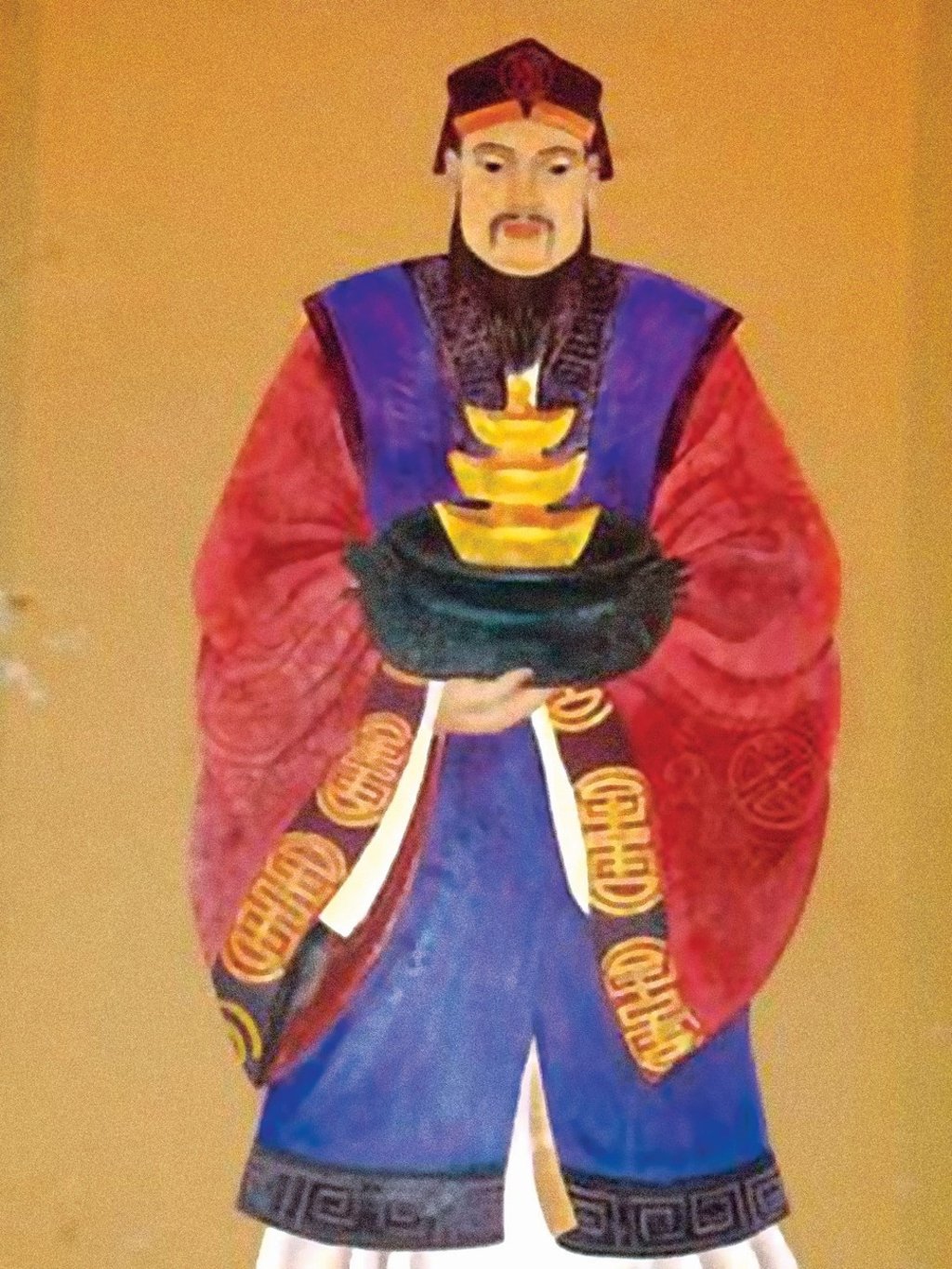
Shen Wansan was one of the richest men in China in the 14th century, having made his fortune in shipping in the late Yuan dynasty (1271–1368). Based in the Jiangnan region to the south of the Yangtze River Delta, his ships moved goods and commodities up and down the east coast of China, and he had shops and warehouses all across the empire. He owned so much land that he could afford to set aside dozens of hectares to make wine for his personal consumption.
After the Mongol rulers of the Yuan dynasty were driven back to their northern homeland, Zhu Yuanzhang, the founding emperor of the Ming dynasty (1368–1644), decided to fortify the Great Wall and establish his capital in Jinling (present-day Nanjing). When Zhu ordered Shen, “whose wealth rivalled that of the state”, to contribute to the financing of both projects – two-thirds of the total cost of the former and a third of the latter – Shen eagerly obeyed. To the politically astute, the red flags were raised, but Shen was blissfully unaware he was stepping into dangerous territory.